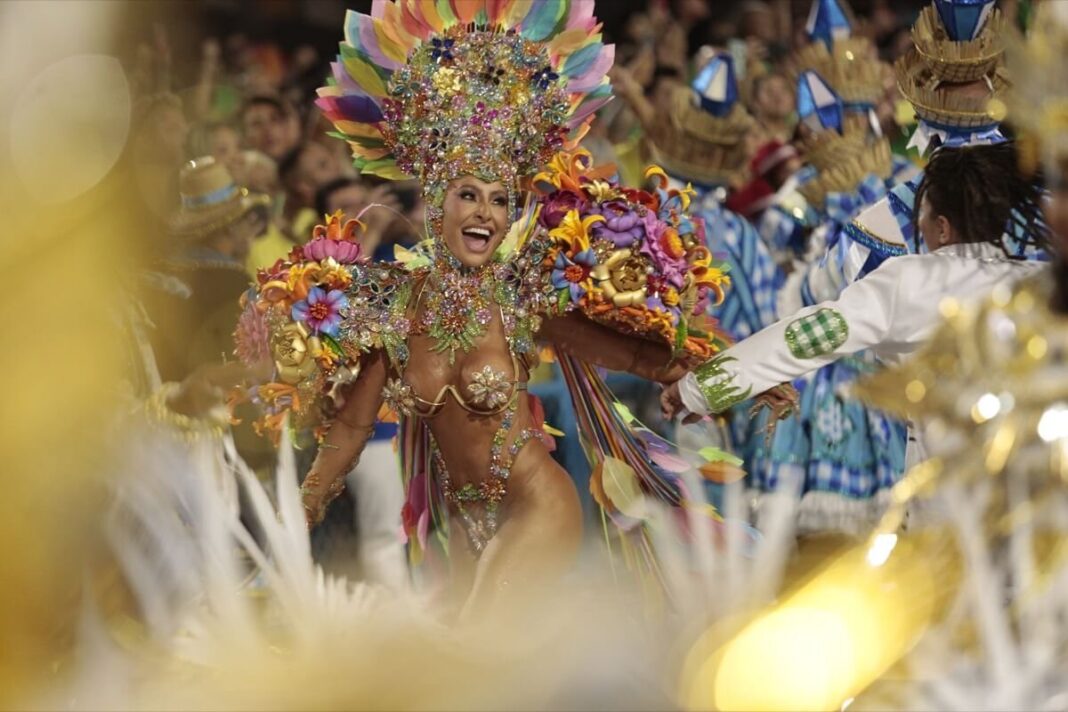
The Rio Carnival will take place from February 13 to 21, 2026, and this upcoming edition is shaping up to be one of the most transformative in the event’s history. Traditionally known for attracting more than two million spectators per day, Carnival in Rio de Janeiro is now entering a new phase — one defined by participation, immersion and cultural proximity.
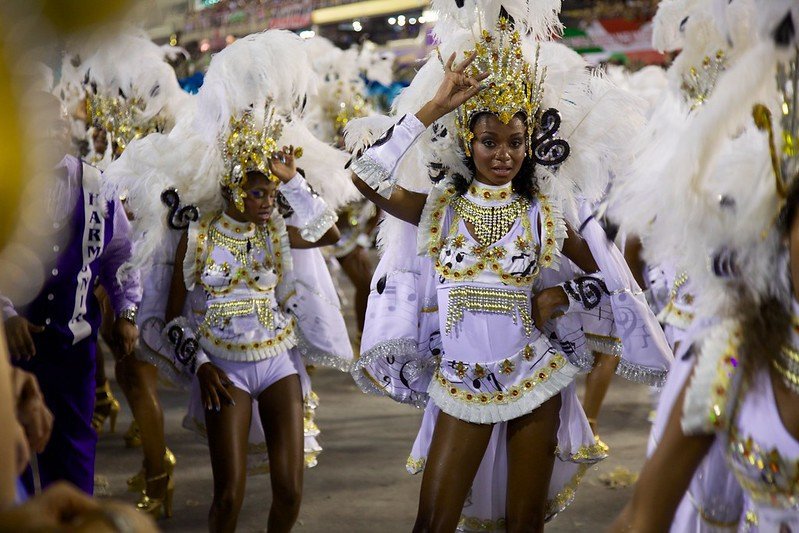
At the heart of this shift is the Sambadrome, where foreign visitors are no longer content with watching from the grandstands. Instead, they are joining samba schools on the parade route, wearing official costumes and experiencing Carnival as locals do.
According to travel industry analysis published by Travel and Tour World (TTW), this movement has been described as a “participatory pilgrimage,” reflecting a growing desire among international travelers to engage directly with Brazil’s most iconic cultural celebration.
From Spectators to Performers: The Rise of Cultural Immersion

One of the defining trends of Rio Carnival 2026 is the surge in immersive experiences. Bookings for parade participation have increased by approximately 30%, as more visitors choose to dance alongside samba schools rather than observe from the stands.
Foreign participants can officially join parade “alas” by purchasing costumes — typically priced between US$600 and US$1,200 — which grant access to rehearsals and the parade itself. Renowned samba schools such as Portela and Mangueira are among the most in-demand, with many costumes selling out by late December.
Participation requires commitment. Travelers who arrive early are expected to attend technical rehearsals, while social media and travel communities now circulate detailed guides on how to secure costumes before availability disappears. What was once a spectator event has become a competitive and highly sought-after cultural experience.
VIP Culture Evolves: Inside the Camarote Boom
While parade participation is on the rise, luxury Carnival experiences are also undergoing a transformation. The traditional Camarote — private VIP boxes at the Sambadrome — has evolved into a full-scale social and lifestyle experience.
In 2026, the most sought-after Camarotes include:
- Camarote Folia Tropical, known for its high-energy atmosphere and DJ sets between parades, popular with Gen Z and Millennial travelers
- Camarote Mar, offering one of the largest balconies at the Sambadrome and panoramic views ideal for content creators and influencers
- Camarote VerdeRosa, operated by Mangueira, combining samba heritage with refined gastronomy and a more traditional Carnival ambiance
These premium experiences are particularly popular among travelers from the United States, who are leading bookings for all-inclusive Carnival packages that combine Camarote access, transportation and curated programming.
The Countries Driving International Demand
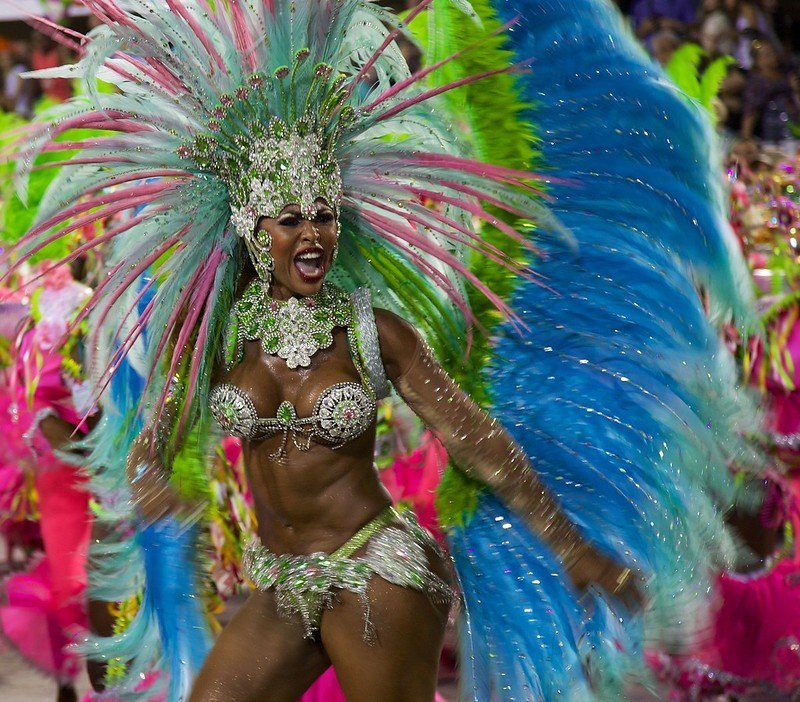
International interest in Rio Carnival 2026 is at record levels, with flight and hotel bookings rising across several key markets.
The leading source countries include:
Argentina
Still the largest international market for Carnival, Argentina continues to send high volumes of visitors to Rio. A notable trend this year is the rise of budget-focused “road trip to Rio” content, where travelers share cost-saving strategies for attending Carnival.
United States
American travelers are driving demand for luxury and all-inclusive experiences, particularly from hubs such as Miami, New York and Dallas. The Camarote culture and premium packages are major draws.
Chile
Chile has emerged as the third-largest international market, with many visitors combining Carnival with extended stays on Rio’s beaches.
Growing international markets include:
- United Kingdom, with inbound travel up by 22%, often combining Rio with trips to Iguazu Falls
- Germany and France, leading long-stay travel, blending Carnival with Rio’s street parties, or blocos
- Japan, where samba groups and long-standing cultural ties with Brazil continue to fuel interest in attending or observing the parades
- Mexico, where improved flight connectivity since 2025 has encouraged demand for private VIP boxes, especially for large, multi-generational families
Backstage Access: Inside the Making of Carnival
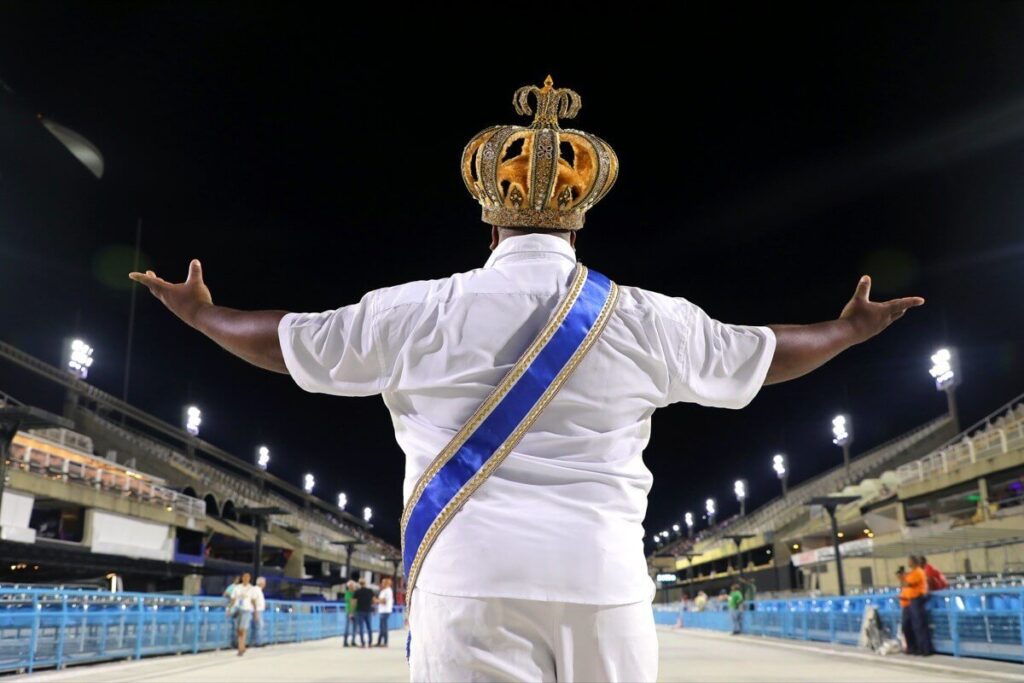
Beyond the parade itself, foreign travelers are increasingly drawn to behind-the-scenes access. For 2026, more agencies are offering guided visits to Cidade do Samba, where floats and costumes are built.
These visits allow tourists to observe the construction of massive allegorical floats and understand the scale, artistry and logistics behind Carnival’s production. For many visitors, this backstage perspective deepens their connection to the event and reframes Carnival as a year-round cultural industry rather than a single week of festivities.
Practical Tips for Planning Rio Carnival 2026
For travelers planning a Carnival trip to Rio, a few practical considerations stand out:
- Minimum stay requirements: Hotels in Copacabana and Ipanema often require a minimum five-night stay during Carnival week, even if rooms appear available
- Parade ticket alternatives: If Sunday or Monday parades are sold out or exceed US$250, the Friday and Saturday Access Group (Série Ouro) parades offer a similar experience for approximately US$40–60
- Getting to the Sambadrome: Using the MetroRio is strongly recommended. Purchasing a rechargeable Giro card in advance helps avoid long queues on parade nights
A Global Carnival, Lived Like a Local
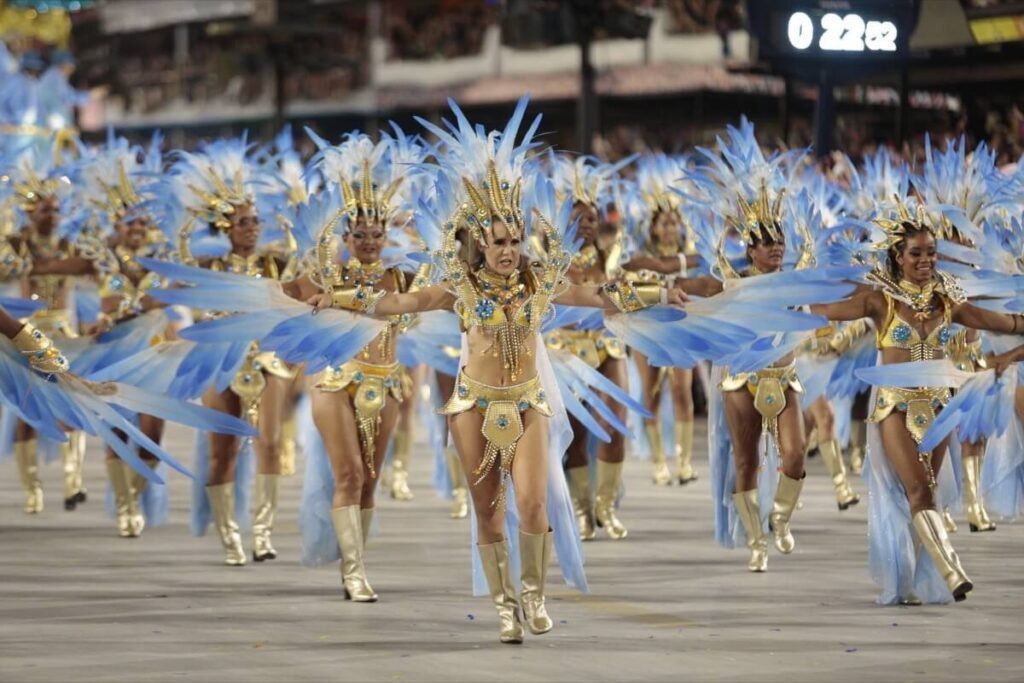
Rio Carnival 2026 is no longer defined solely by its audience size, but by the depth of engagement it offers. With travelers from Argentina, the United States, Chile and beyond stepping into samba schools, exploring backstage workshops and embracing both grassroots and luxury experiences, Carnival is becoming more global — and more local — at the same time.
As noted by TTW, this participatory revolution is reshaping how the world experiences Brazil’s most famous celebration. For those planning to attend, Carnival 2026 promises not just a show, but a rare opportunity to belong — even briefly — to the living, breathing culture of Rio de Janeiro.