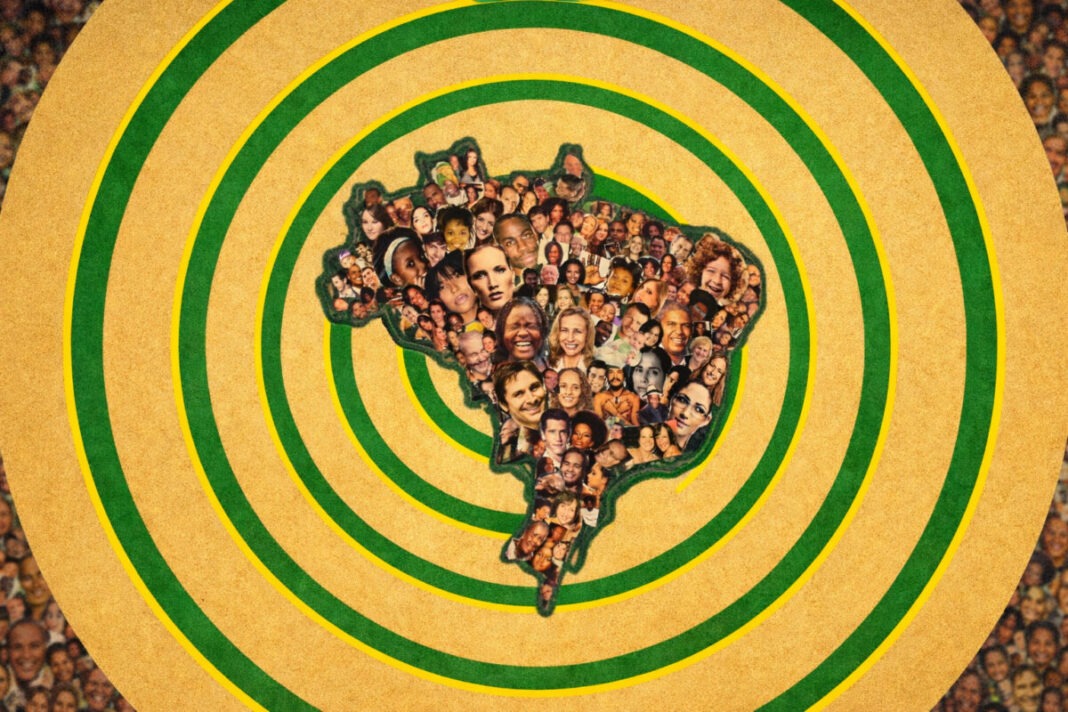
For decades, Brazil has occupied a peculiar place in the global imagination. It has always been liked — sometimes romanticized, often simplified — yet consistently associated with warmth, culture, and a certain emotional openness that many countries struggle to translate. What feels different now is not the affection itself, but the intensity and direction of that gaze.
Brazil is no longer just admired from afar. It is increasingly desired as a lifestyle — and followed as a global trend.
According to Brazil’s Ministry of Tourism, the country reached a historic milestone in 2025, welcoming 9.3 million international visitors — a 37.1% increase compared to the previous year and well above official projections. This is not a marginal uptick; it signals a structural shift in how Brazil is positioned globally.
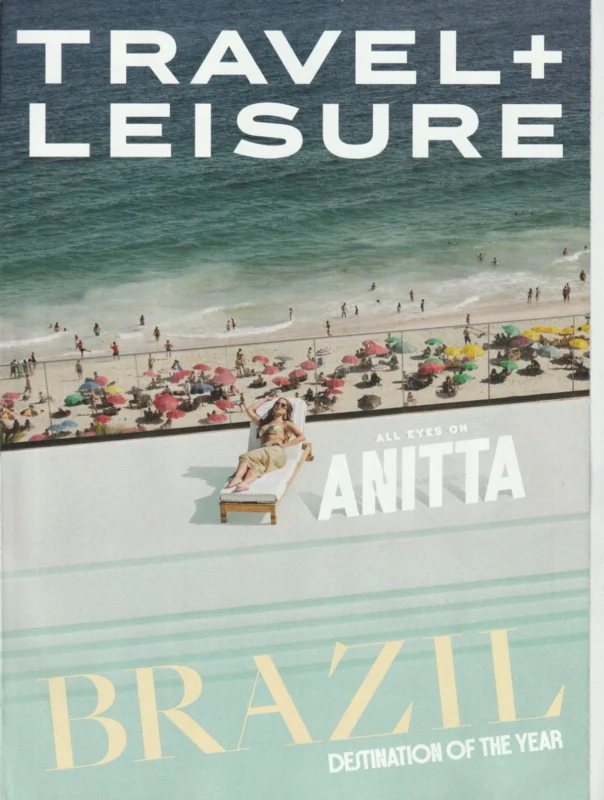
Recognition is also coming from institutions that shape travel narratives. Travel + Leisure named Brazil the destination of the year for 2026. The New York Times included Instituto Inhotim, in Minas Gerais, in its prestigious “52 Places to Go” list, highlighting not only its contemporary art collection but also its integration with Brazil’s biodiversity — a combination that reflects the country’s ability to merge culture and nature in ways that feel both expansive and intimate.
From Product to Cultural Signal
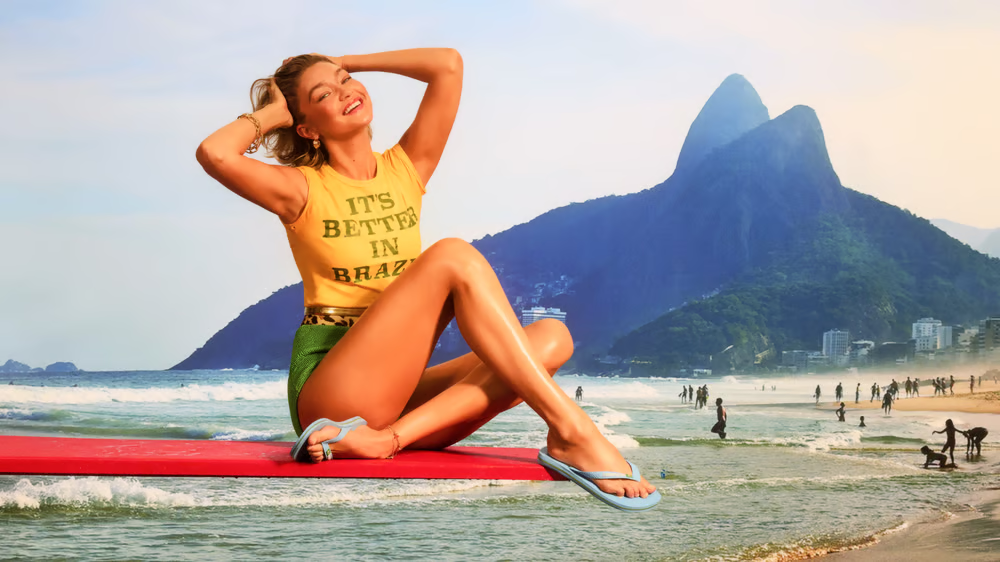
At the same time, Brazilian products and aesthetics are gaining traction far beyond tourism. According to the Lyst Index, Havaianas ranked among the most desired products globally in the third quarter of 2025. Independent brands like Lapima — worn by figures such as Timothée Chalamet, Julia Roberts, and Lady Gaga — reinforce a growing perception of Brazilian design as something that carries both craftsmanship and identity.
This momentum extends across categories. Farm Rio’s expansion into Miami, Los Angeles, New York, and D.C. signals growing international demand, while luxury labels like PatBO and Room continue to rise. In beauty, brands such as Natura and Granado are also strengthening their global presence.
This momentum is not limited to Brazilian brands. International companies have also begun to tap into the country’s cultural codes, translating its aesthetics and lifestyle into global products. Brands like Sol de Janeiro, founded in the United States but inspired by Brazilian beauty rituals, have built a strong identity around this narrative — reinforcing how Brazil’s cultural appeal extends beyond its own borders.
This is not fast consumption; it is cultural signaling.
Together, these movements point to a consolidation of Brazil as a form of soft power — not imposed or strategically orchestrated, but emerging through design, fashion, and lifestyle. What begins as consumption increasingly translates into cultural influence.
Not a New Story — But a New Phase
And yet, none of this is entirely new.
Brazil’s ability to captivate international audiences dates back at least to the mid-20th century, when Carmen Miranda became a global symbol under the Good Neighbor Policy. Since then, waves of cultural export — from bossa nova to football, from cinema to Carnival — have reinforced a recognizable image of the country.
What has changed is the nature of engagement.
There is now a growing appetite for what is perceived as “authentic Brazil.” Not just the postcard version, but the lived experience — the neighborhoods, the rhythms, the contradictions. International artists, brands, and creators are no longer just referencing Brazil; they are immersing themselves in it, translating its aesthetics into global narratives.
Brazilcore and the Aesthetic of Experience
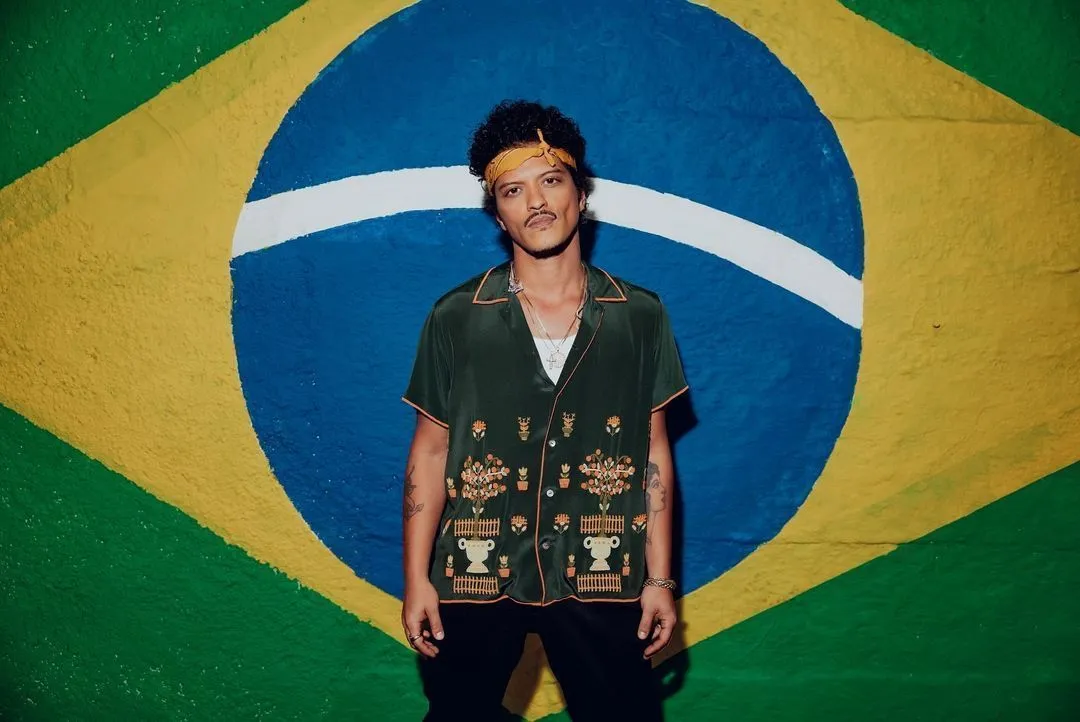
This shift is visible across platforms. Social media has amplified what is now widely recognized as Brazilcore — a visual and cultural language built around color, movement, informality, and emotional expressiveness. Green and yellow are no longer just national symbols; they have become part of a broader aesthetic vocabulary.
But Brazilcore is not only about visuals. It is also about behavior.
In a world increasingly marked by geopolitical tensions, economic uncertainty, and social fragmentation, Brazil projects something that resonates deeply: a sense of emotional resilience. International perception studies reinforce this. According to the Global Soft Power Index by Brand Finance, Brazil ranks among the countries with the most “fun” and “friendly” people in the world. Embratur data shows that when asked to describe Brazil, foreign visitors frequently choose words like “vibrant,” “exciting,” and “fun.”
This perception is grounded in reality — but not immune to simplification.
Beyond Carnival and Football
Brazil is, undeniably, the country of Carnival and football — and there is no need to deny that. These are powerful cultural assets. But reducing Brazil to them overlooks a broader transformation that is currently underway.
The global success of Brazilian cinema, with increasing recognition at major festivals and awards, the international reach of artists like Anitta, and the growing interest in Brazilian literature and visual arts suggest a more complex cultural export in motion.
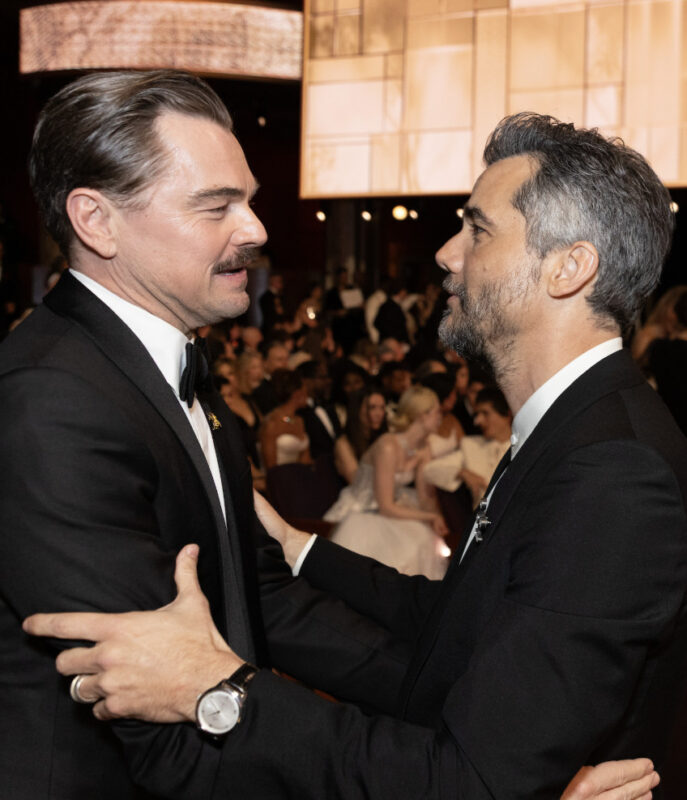
This growing visibility has also played out on Hollywood’s biggest stage. Although The Secret Agent did not take home an Oscar this year, its campaign drew significant attention within the industry. Actor Wagner Moura’s presence at the ceremony — seated alongside figures like Leonardo diCaprio — offered a subtle but telling image: a Brazilian face at the center of global cinema no longer feels out of place. At this point, his trajectory through major international productions reflects a broader shift in how Brazilian talent is perceived — not as an exception, but as part of the landscape.
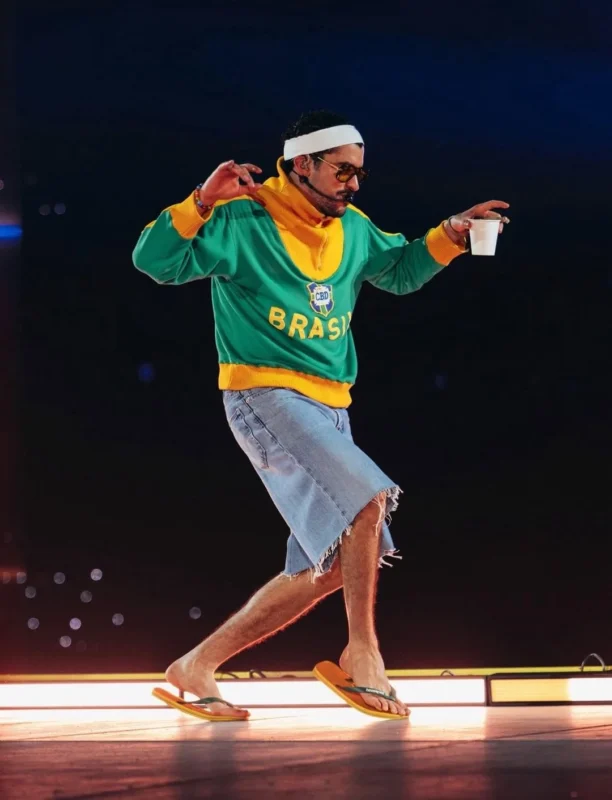
Celebrity behavior has also become a key driver of this narrative. When international figures spend time in Brazil and share their experiences — whether through concerts, extended stays, or social media — they effectively validate the country as a place worth experiencing. These moments often reach millions, sometimes surpassing the impact of institutional campaigns.
The Emotional Factor
And they reveal something important: visitors are not only impressed by Brazil — they are affected by it.
There is a recurring theme in these accounts, one that is difficult to quantify but consistently observed. Foreigners often describe Brazilian happiness as something distinct, almost disarming. Not because Brazil lacks problems — on the contrary — but because of the way these problems coexist with a visible capacity for joy.
This paradox may be one of Brazil’s most powerful, and least understood, exports.
Growth, Limits, and Opportunity
From a structural perspective, there are also tangible factors supporting this rise in interest. Currency dynamics have made Brazil more accessible to international travelers, particularly from neighboring countries and from the United States and Europe. In early 2025, a strong dollar significantly increased purchasing power for foreign visitors, contributing to a surge in arrivals.
At the same time, efforts to diversify destinations beyond Rio de Janeiro and São Paulo — alongside new international flight routes — are beginning to reshape the country’s tourism map. There is growing curiosity about what lies beyond the obvious.
Still, the gap between perception and potential remains.
Despite record-breaking numbers, Brazil continues to receive fewer tourists than major global destinations. Infrastructure limitations, visa policies, and concerns around safety and governance remain barriers to sustained growth. In the Global Soft Power Index, while Brazil ranks highly in cultural appeal, it falls significantly in categories such as governance and safety.
From Trend to Permanence
This tension is central to understanding Brazil’s current moment. The country is increasingly visible, increasingly desired — but not yet fully structured to absorb that demand at scale.
And yet, the trajectory is clear.
From Miami to New York, from Paris to London, conversations around “Brazil with a Z” are becoming more frequent. The term signals a subtle shift: less about nationality, more about lifestyle. It points to something exportable, adaptable, and increasingly aspirational.
The upcoming World Cup cycle is likely to amplify this visibility even further. Despite recent inconsistencies on the field, Brazil’s national football team remains synonymous with “jogo bonito” — a concept that transcends results and speaks to style, creativity, and emotional connection to the game.
In many ways, Brazil continues to be loved not for what it wins — but for how it plays.
Brazilcore, then, is not a trend in the superficial sense. It is a convergence of long-standing cultural capital with new channels of global distribution. It reflects a world that is not only consuming Brazilian culture, but seeking to experience it — and, increasingly, to embody it.
The question is no longer whether Brazil is trending — it is whether the country is prepared to transform this moment of fascination into something more durable, something that moves from perception to permanence.
From within Brazil — and far beyond its borders — there is every reason to believe it will.