Brazilian cuisine is as vast as the country itself — shaped by Indigenous traditions, African heritage, and waves of European and global influences. While each region has its own specialties, there are certain dishes and snacks you’ll find almost everywhere in Brazil. Many of them have also crossed borders, now featured in Brazilian restaurants, cafés, and markets around the world — extending the country’s culinary identity far beyond its geography.
For travelers — and anyone looking to understand Brazil through its food — this is your starting point: the essential Brazilian dishes you simply can’t leave without trying.
1. Feijoada
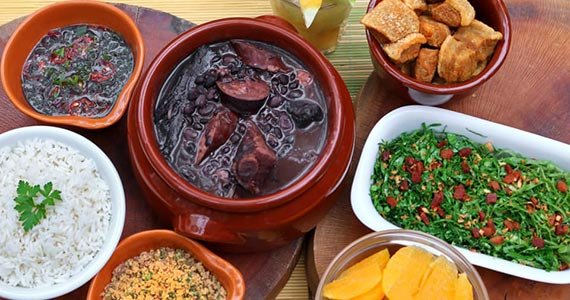
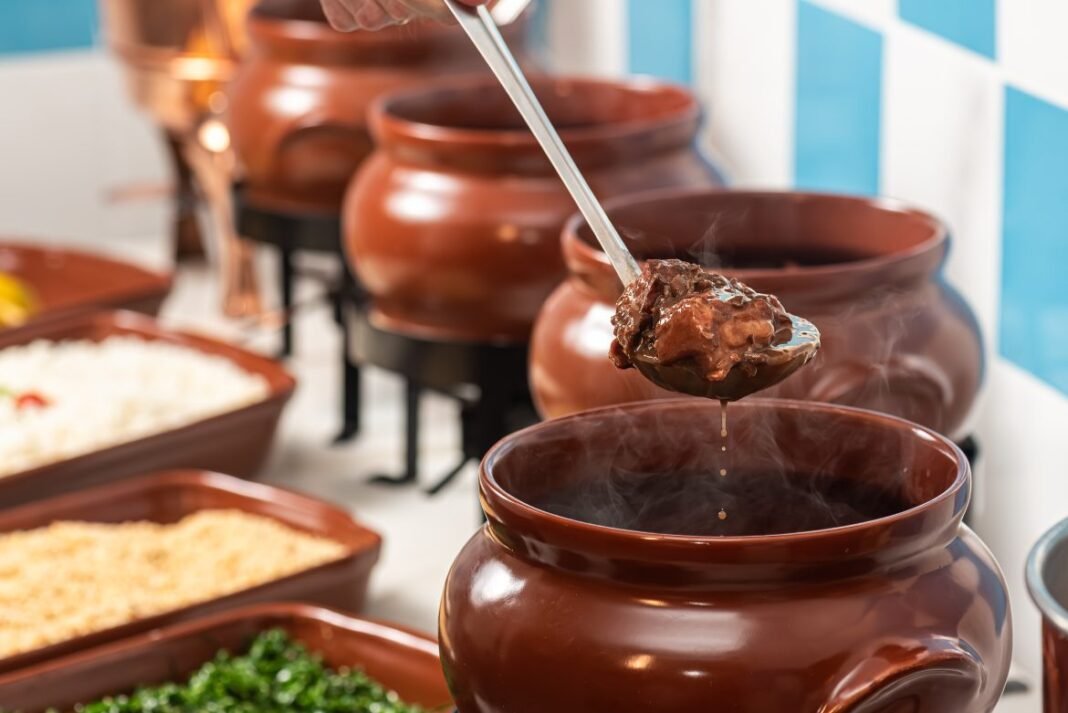
Often described as Brazil’s national dish, feijoada is a rich black bean stew slow-cooked with pork cuts. It’s traditionally served with rice, collard greens, farofa, and orange slices to balance the flavors. While it originated in the Southeast, today it’s a staple across the country — especially for weekend lunches, when restaurants and families turn the meal into a social ritual.
A Brazilcore Favorite: In São Paulo, Tordesilhas serves one of the city’s most beloved traditional feijoadas every Saturday, led by renowned chef Mara Salles. @tordesilhas
2. Pão de queijo
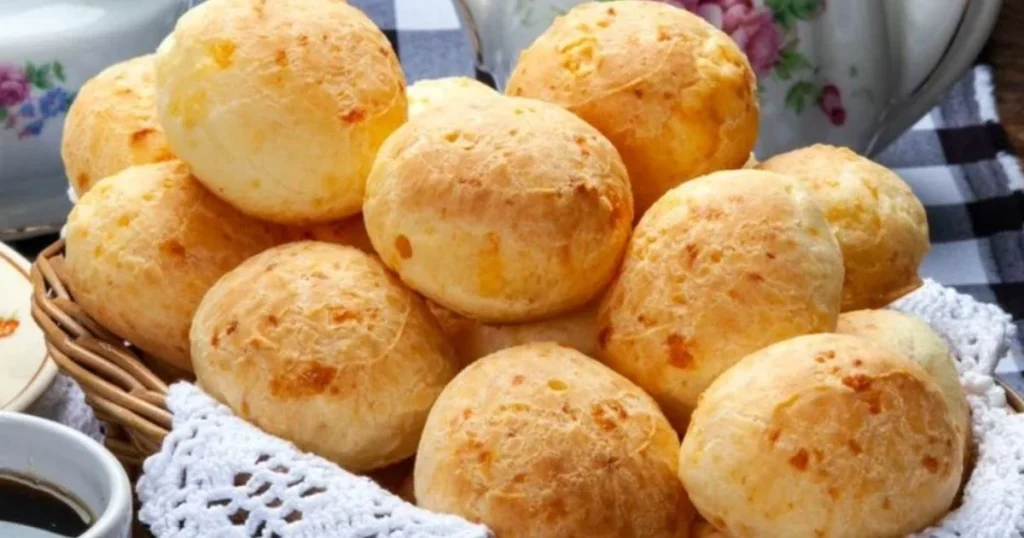
These small, chewy cheese breads from Minas Gerais are one of Brazil’s most beloved snacks. Made with cassava flour and cheese, they’re naturally gluten-free and widely available — from bakeries and cafés to hotel breakfast tables. It’s the kind of everyday food that quietly defines Brazilian life.
A Brazilcore Favorite: In Belo Horizonte, A Pão de Queijaria elevates the classic pão de queijo with quality ingredients and creative variations, transforming it into sandwiches, waffles, and even desserts. @apaodequeijaria
3. Coxinha
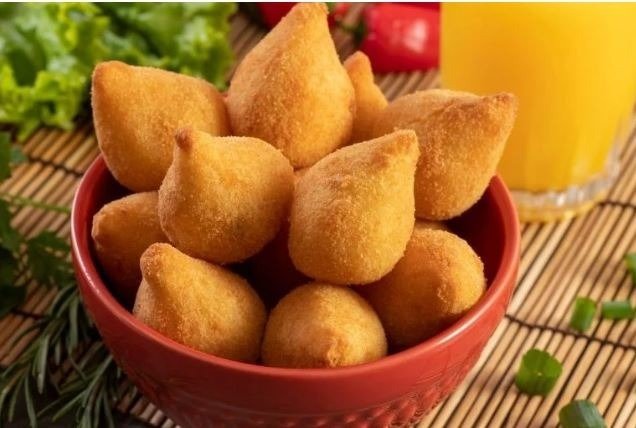
If Brazil had an official street snack, this would be it. Coxinha is a teardrop-shaped croquette filled with shredded chicken, coated in breadcrumbs, and deep-fried. Found everywhere from casual snack bars to upscale bakeries, it’s a must for anyone exploring Brazilian street food culture.
A Brazilcore Favorite: In São Paulo, Frangó Bar is famous for its award-winning chicken coxinhas with Catupiry cheese — and for a beer menu featuring more than 500 national and imported labels. @frangobar
4. Acarajé

A signature dish of Bahia, acarajé reflects Brazil’s deep African roots. Made from black-eyed pea dough and fried in dendê oil, it’s typically filled with shrimp and vatapá — a rich paste made with bread, peanuts, and coconut milk. Traditionally sold by women known as baianas, it carries both culinary and cultural significance.
Brazilcore pick: In Salvador, Acarajé da Dinha has preserved more than five generations of Bahian tradition, serving one of the city’s most iconic acarajés in the heart of Rio Vermelho. @acarajedadinha
5. Moqueca
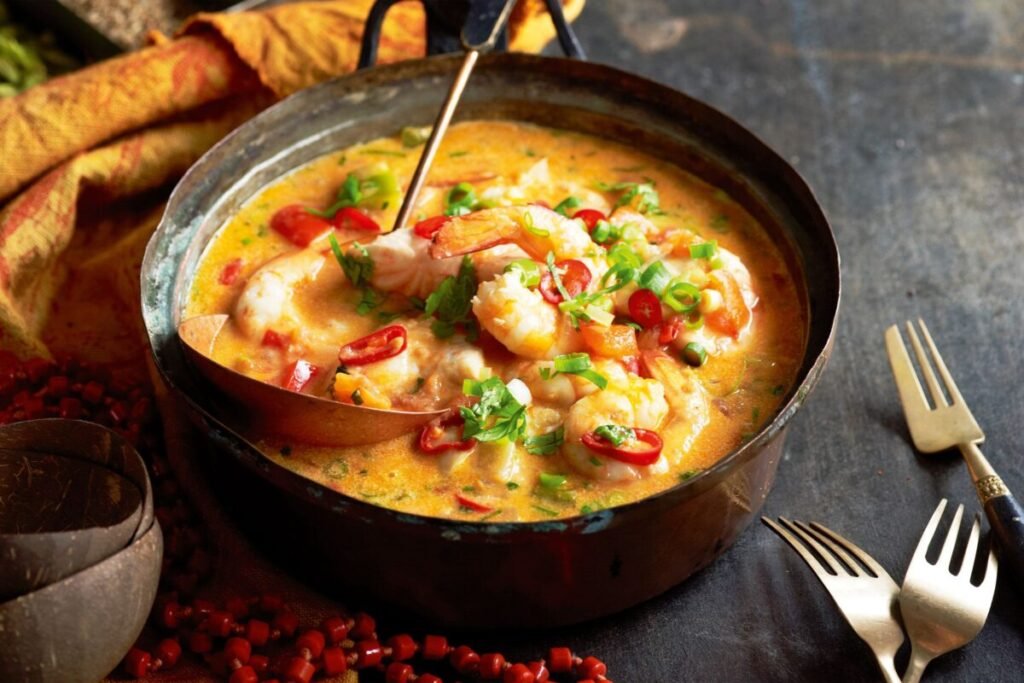
Moqueca is a slow-cooked seafood stew prepared in a clay pot with coconut milk, peppers, and herbs. The Bahian version includes dendê oil, while the Espírito Santo version is lighter and tomato-based. Today, both styles can be found well beyond their regions of origin, especially in major cities and coastal destinations.
Brazilcore pick: In Salvador, Ki-Mukeka is a longtime favorite for traditional Bahian moqueca, served with rice, dendê farofa, pirão, and beans in a lively, maritime-inspired setting. @kimukeka
6. Brigadeiro

No introduction to Brazilian food is complete without brigadeiro. Made from condensed milk, cocoa powder, and butter, this chocolate sweet is a national obsession. While it’s a staple at birthday parties, it has also evolved into a gourmet dessert, with artisanal versions appearing in upscale sweet shops.
A Brazilcore Favorite: In São Paulo, Maria Brigadeiro helped pioneer Brazil’s gourmet brigadeiro movement, serving artisanal versions made with its own chocolate production and a wide range of traditional and creative flavors. @mariabrigadeiro
7. Pastel

Pastel is one of Brazil’s most popular street foods, especially at open-air markets known as feiras. These thin, crispy pastries are filled with cheese, beef, or even sweet options like banana. Pair it with fresh sugarcane juice for a classic Brazilian experience.
Brazilcore pick: In Rio de Janeiro, Bar Urca is a classic carioca stop for sunset drinks and pastel by the sea — especially the famous crab-filled version. @barurca
8. Churrasco
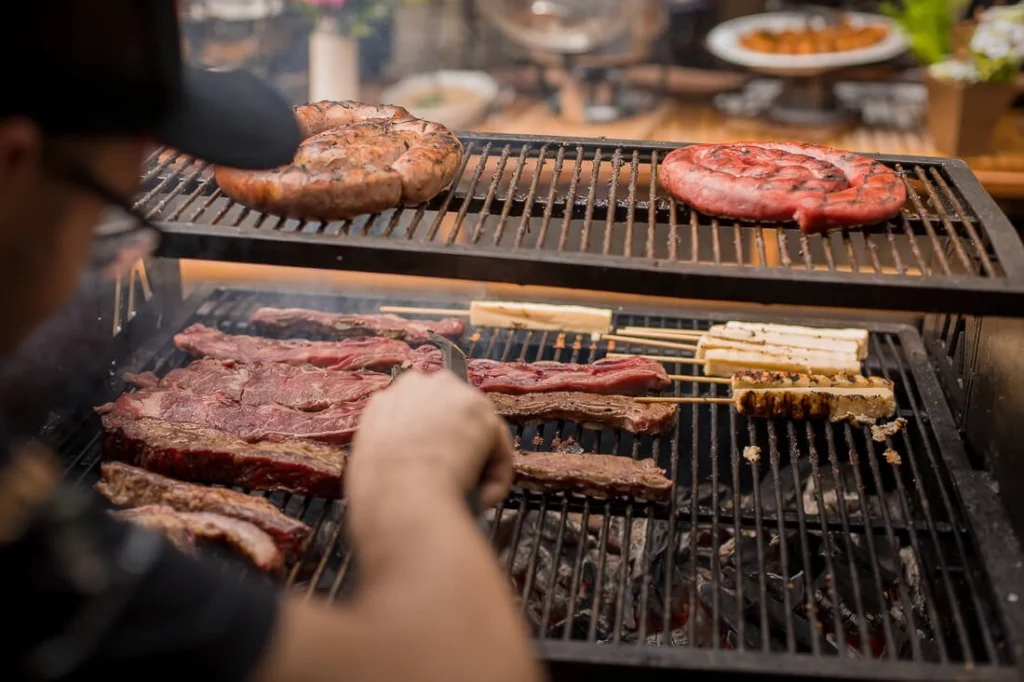
Brazilian barbecue is more than a meal — it’s a cultural ritual. Originating in the South, churrasco features a variety of meats grilled on skewers, often served in rodízio style, where waiters bring different cuts directly to your table. It’s one of Brazil’s most internationally recognized culinary traditions.
A Brazilcore Favorite: In São Paulo, Barbacoa Itaim is considered one of Brazil’s top steakhouses, known for premium cuts like picanha and bife ancho served in an elegant setting. @barbacoabrasil
9. Tapioca
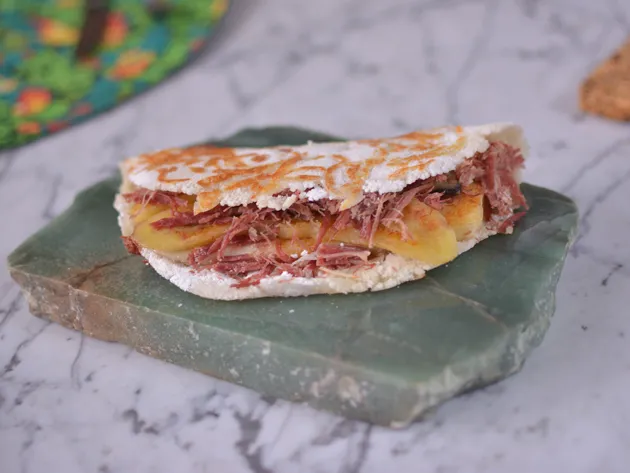
A staple from Brazil’s Northeast, tapioca is a naturally gluten-free crepe made from cassava starch. It can be filled with savory ingredients like cheese or enjoyed sweet with coconut and condensed milk. Once regional, it’s now widely available across Brazil as a popular breakfast or snack.
Brazilcore pick: In Recife, Tapioca do Damião is famous for its tapioca with a crispy queijo coalho crust, often considered one of Brazil’s best street food experiences. @tapiocarendadadodamiao
10. Açaí na tigela
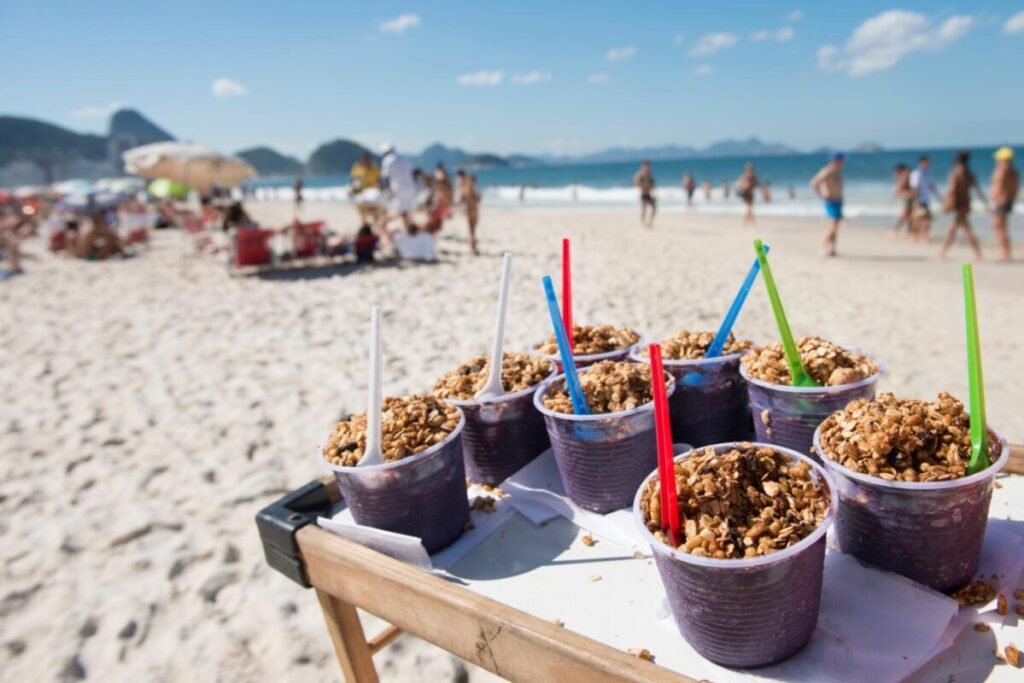
Açaí bowls may be global, but their roots are Brazilian. In Brazil, the texture is thicker and the flavor less sweet than what you might find abroad, typically served with granola and banana. In the Amazon region, açaí is even consumed in savory dishes, offering a completely different experience.
Brazilcore pick: In Rio de Janeiro, Amazônia Soul specializes in Amazonian cuisine and serves authentic açaí made without added sugar or guaraná syrup, closer to its original Northern Brazilian roots. @amazoniasoul
Brazilian Food, From Local Roots to Global Tables
What makes these dishes even more essential is their reach. While each has regional origins, they are now part of Brazil’s shared culinary identity — widely available across the country, from beach kiosks to high-end restaurants. For travelers, that means you don’t have to chase them down — they naturally become part of your experience wherever you go.
Beyond Brazil, these flavors have traveled the world. Today, they appear on menus at Brazilian restaurants and international kitchens that celebrate the country’s culinary heritage, bringing a taste of Brazil to cities across the globe.
More Than Food — A Way to Understand Brazil
If there’s one thing to understand about Brazilian cuisine, it’s this: it tells the story of the country.
Start with these ten dishes — and you’ll already be experiencing Brazil in a way that goes far beyond the obvious.
Beyond the Classics
These dishes may be found across Brazil, but the country’s true culinary richness reveals itself region by region. Each state brings its own flavors, traditions, and specialties to the table.
👉 Explore them in our full guide: Taste of Brazil: The One Must-Eat Food in Every State
Heading to Rio? The Brazilcore Rio Restaurant Guide shows where to eat these dishes the way locals do, from feijoada on a Saturday to pastéis at a corner boteco and fresh fruit juice by the beach, across 150+ places in more than 20 neighborhoods. Get the Brazilcore Rio Restaurant Guide — $19 →