
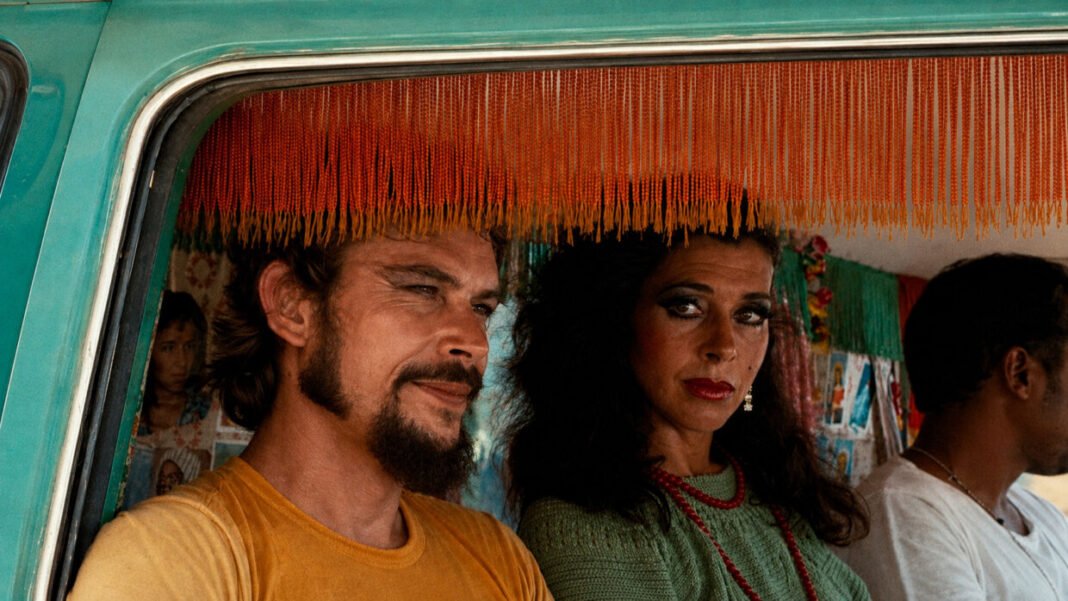
As the Inffinito Brazilian Film Festival brings a documentary on his life to its U.S. premiere in Miami, a look at the two films that made him one of Brazil’s most internationally recognized directors.
Cacá Diegues once said the idea for Xica da Silva came to him at Carnival, watching a parade go by—which tells you almost everything about how he approached one of the most loaded subjects in Brazilian history. The 1976 film takes an enslaved woman in 18th-century Minas Gerais, gives her the swagger of a diamond-country empress, and lets her seduce, scheme and outmaneuver everyone around her on her way to freedom and a seat at the top of colonial society. It is, as one American critic later put it, not exactly a comedy of slavery—more a satire that uses spectacle, sex and a samba-rock theme song by Jorge Ben to smuggle in an argument about power that Brazil’s military government, still firmly in charge at the time, could hardly miss.
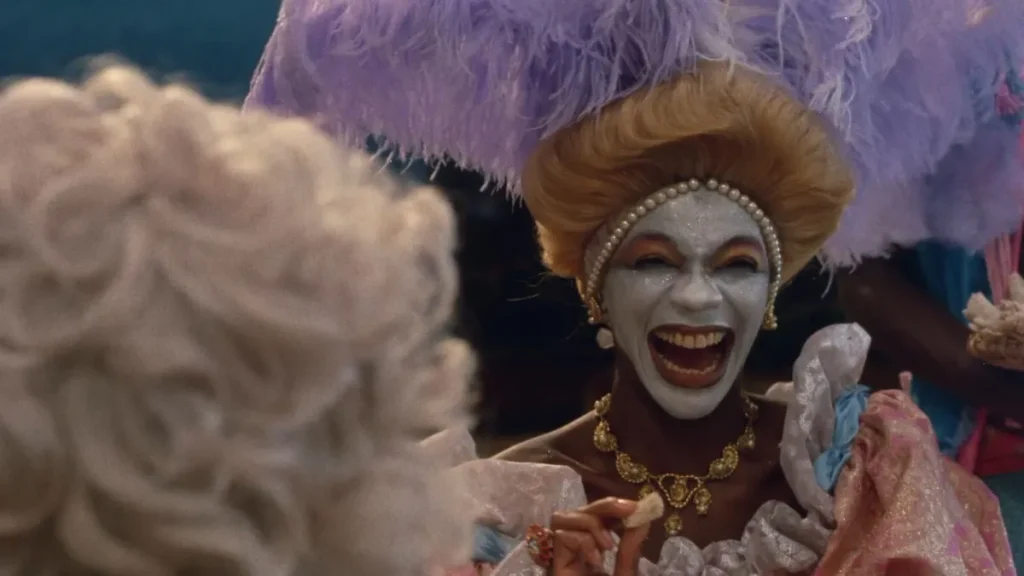
Audiences didn’t miss it either. Xica da Silva, starring Zezé Motta in a performance that made her a household name overnight, drew more than three million ticketgoers in a country of just over 100 million people—one of the biggest box-office runs in Brazilian film history—and swept Best Film, Best Director and Best Actress at the Brasília Festival that year. It was also the first Brazilian film built around a Black female lead, a fact that still anchors most conversations about it nearly fifty years later. The film turns 50 this year, and a restored 4K version returned to Brazilian theaters in July.
Three years after that, Diegues made the film that international critics tend to reach for first: Bye Bye Brazil. The setup is pure comic melancholy. A ragtag troupe called the Caravana Rolidei—the name is a wink at “holiday,” Brazilian-accented, a joke about a country that can’t stop imitating its northern neighbors—tours the country’s back roads selling old-fashioned magic, dance and strongman acts to villages that television hasn’t found yet. Except television keeps finding them first. Led by a self-styled Gypsy Lord (José Wilker) and the dancer Salomé (Betty Faria), the troupe picks up a young accordion player and his wife along the way and rides the Trans-Amazonian Highway all the way to Altamira, chasing a version of Brazil that keeps dissolving in front of them. Chico Buarque wrote the title song; the film played in the main competition at Cannes in 1980, and its comedy—wry, a little ribald, never quite settling into either satire or heartbreak—is exactly what makes its final image of a country in the middle of reinventing itself land as hard as it does.
Between those two films alone, it’s not hard to see why Diegues became one of Brazil’s most internationally recognized directors. Over a career spanning more than six decades and 20-plus films, his work played in competition at Cannes, Venice, Berlin and Toronto, and in 1981 he was invited to sit on the Cannes jury himself—a rare honor for a Brazilian filmmaker at the time.
This September, the Inffinito Brazilian Film Festival honors that legacy with the U.S. premiere of To Vigo I Go! (Para Vigo Me Voy!), a documentary tracing his life and work—presented in Miami by Brazilcore.
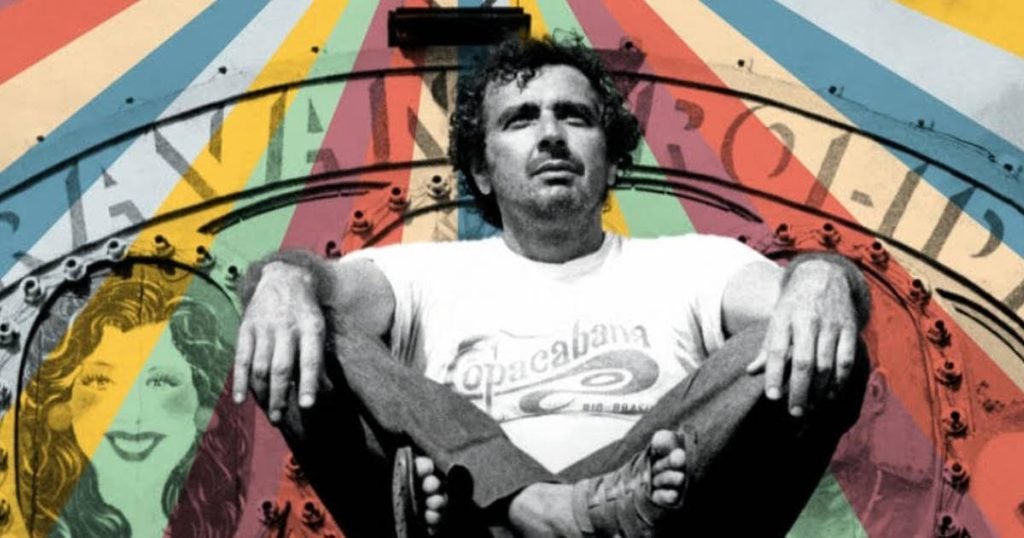
From Maceió to Cinema Novo
Diegues was born in Maceió, Alagoas, in 1940, and moved to Rio de Janeiro with his family at age six. He later studied law at the Pontifícia Universidade Católica, where he founded a film club with fellow students David Neves and Arnaldo Jabor—an early sign of where his real ambitions were headed.
By the early 1960s, he was directing alongside Glauber Rocha and Nelson Pereira dos Santos as part of Cinema Novo, the movement that turned Brazilian cinema toward the country’s own social inequality, race and history, drawing on Italian neorealism and the French New Wave to reject the polished studio style that had dominated before it. His run-ins with the military dictatorship’s censors, including the banning of his 1969 film Os Herdeiros, sent him into exile in Italy and France between 1969 and 1971.
He returned to Brazil in the early 1970s and, within a few years, made the two films that would define him internationally. Race and Afro-Brazilian history remained a throughline across his career, from Ganga Zumba (1963), about the leader of the Quilombo dos Palmares, to Quilombo (1984), revisiting the same history two decades later. He also returned repeatedly to Carnival, exploring it in Quando o Carnaval Chegar (1972) and his adaptation of Tieta (1996). Well into his 70s, he kept working alongside a new generation of Brazilian filmmakers, including Kleber Mendonça Filho—whose The Secret Agent is in competition at Cannes this year. His final film as director, The Great Mystical Circus, premiered as a Cannes special screening in 2018. Diegues died in Rio de Janeiro on February 14, 2025, at 84, following complications from surgery.
A Documentary Built From 60 Years of Interviews
To Vigo I Go! was directed by Lírio Ferreira, known for the drama Baile Perfumado, and Karen Harley, whose earlier documentary Waste Land was Oscar-nominated. Rather than relying on narration to tell viewers what to think, the film lets Diegues make his own case, weaving together interviews he gave over six decades with excerpts from his films.
Its most striking material, though, is what no one had seen before: footage from what turned out to be Diegues’ last day on a film set, a screening of Bye Bye Brazil held in Rio’s Favela do Vidigal with the director in attendance, and a final, unguarded reunion with actors and musicians who had worked alongside him throughout his career. It also captures him, visibly frail but still sharp, directing Antônio Fagundes on the set of his Deus é Brasileiro sequel.
The documentary premiered at Cannes Classics in 2025, the festival’s dedicated tribute to filmmakers who shaped its own history. Its Miami engagement marks the film’s U.S. premiere.
What to Know Before You Go
To Vigo I Go! (Para Vigo Me Voy!) screens September 4 at O Cinema South Beach, presented by Brazilcore, as part of the Inffinito Brazilian Film Festival’s Documentary Competition. The film is in Portuguese with English subtitles.
Tickets and the full festival schedule are available now on the festival’s official website.