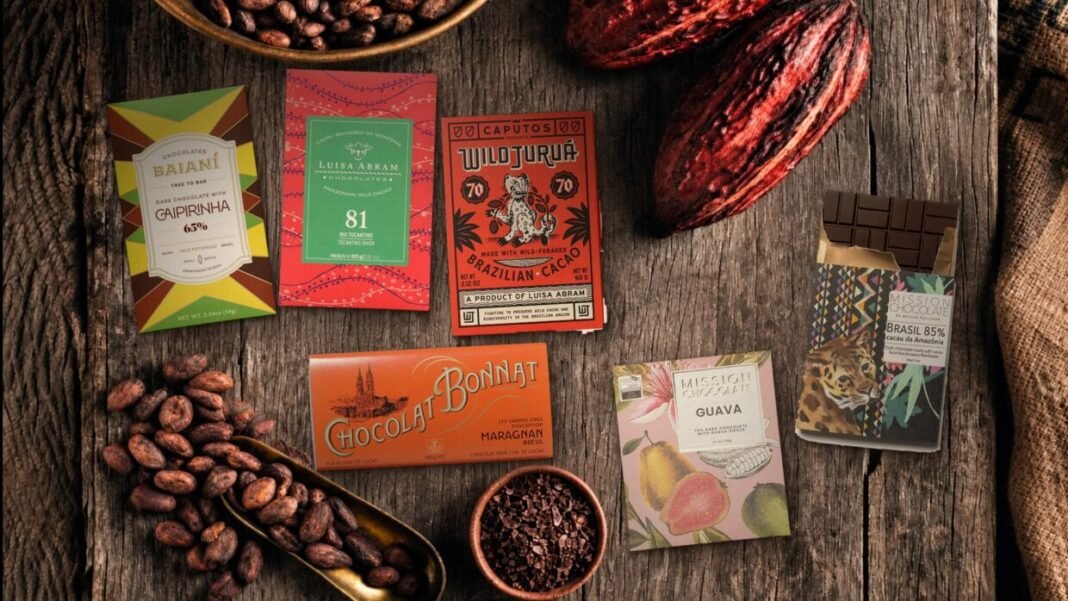
Brazil’s cacao story starts in the 1700s, when the first trees were planted in Bahia. Within a century the region had become one of the most important cacao-growing areas on earth, and by the twentieth century Brazil stood as the world’s second-largest producer. That legacy never disappeared — it just got leaner, more selective, and arguably better.
Today a small, fiercely guarded slice of Brazil’s harvest — grown mostly in Bahia and Pará — has reclaimed the attention of serious chocolate people. This “cacau fino,” or fine-flavor cacao, is a sliver of the country’s total production, but it is the part the world actually wants, and it keeps placing among the best in the world at the Cocoa of Excellence awards, the competition chocolate insiders actually watch.
That quality used to travel quietly, folded into bars made somewhere else, under someone else’s name. Not anymore. A wave of American specialty shops and craft chocolate makers has spent the last decade building direct relationships with Brazilian growers, and the result is that there is more real Brazilian cacao on US shelves right now than at almost any point in memory — shipped straight from Bahia and the Amazon to craft shops in North Carolina, Utah, and beyond. This is a shopping guide for finding it, built to outlast any one day on the calendar.
Brazilian Makers Doing It Themselves
The easiest way to taste real Brazilian cacao is to buy it from the Brazilians making it. Bar & Cocoa, a craft chocolate shop based in North Carolina, carries the widest US selection of all three under one roof.
Mission Chocolate
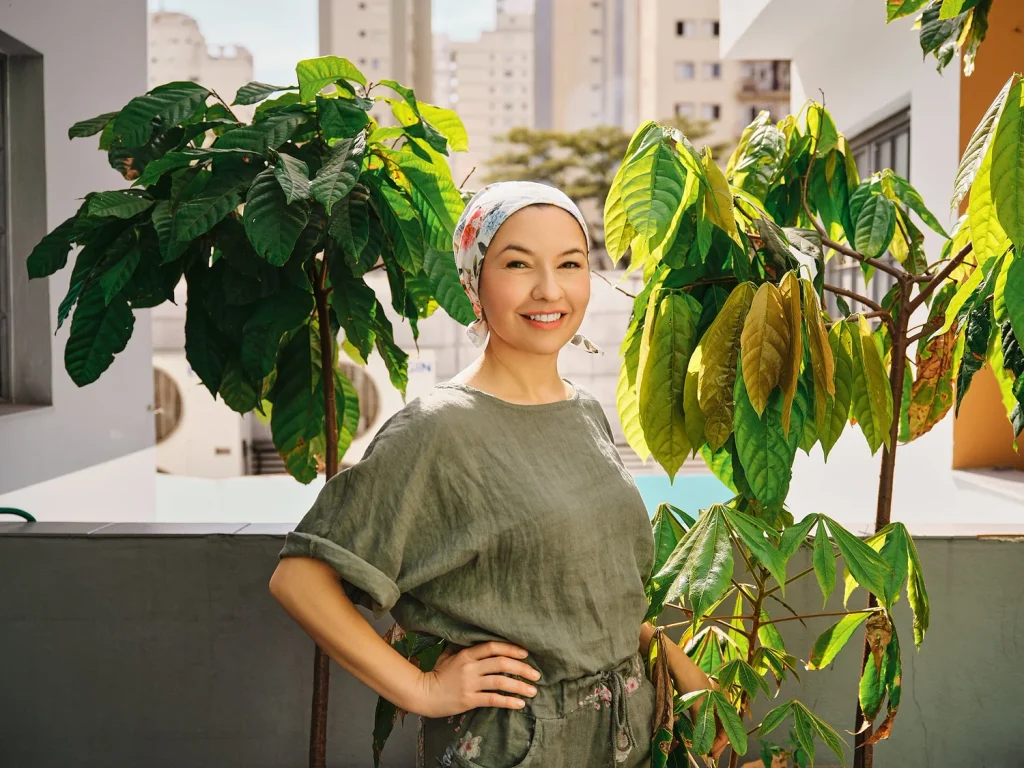
Arcelia Gallardo trained at Dandelion Chocolate in California before moving to Sao Paulo and founding Mission, where she now works directly with Brazilian farmers and leans hard into local fruit: goiabada (guava paste), cupuacu, baru nut, even a bar built around rabanada, Brazil’s answer to French toast. It is the most irreverent of the three — and the easiest to fall for.
For a gift that reads as adventurous rather than austere, Mission is the one to reach for. Shop Mission Chocolate at Bar & Cocoa.
Baiani
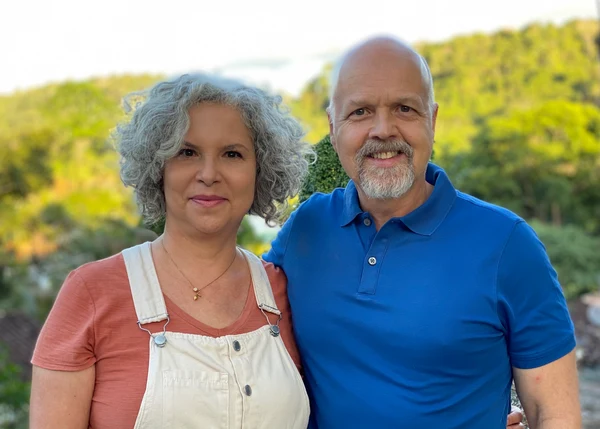
Baiani is a tree-to-bar maker from Bahia’s Potumuju Valley, run by Juliana and Tuta Aquino, whose family has grown cacao there since the late nineteenth century. Their bars lean playful and distinctly Brazilian: dark chocolate laced with Brazilian coffee, a caipirinha bar built on cachaca and lime zest, another studded with passionfruit. For a family with four generations in cacao, the chocolate itself feels surprisingly young.
That combination — old roots, a modern sense of humor — is what makes Baiani a good entry point for someone who has never tried Brazilian chocolate before. Shop Baiani at Bar & Cocoa.
Luisa Abram
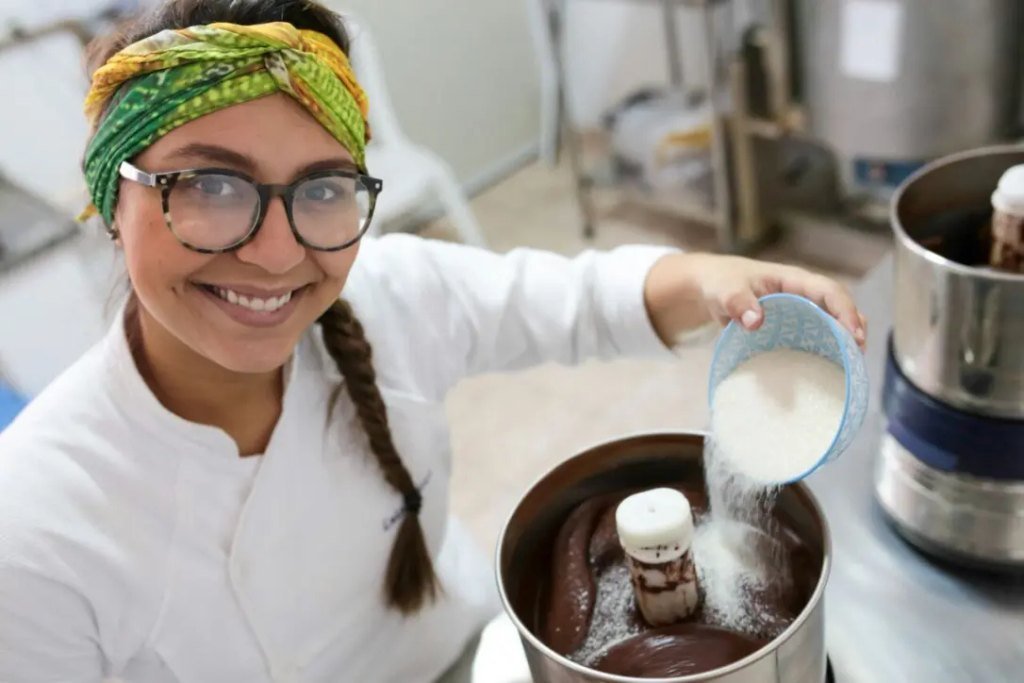
Luisa Abram works out of a Sao Paulo workshop, but her cacao never touched a farm. She buys wild cacao gathered by riverside communities along the Amazon — the Acara, the Purus, the Tocantins — and each river gets its own bar, with only two ingredients inside: cocoa and sugar. It is about as close as a chocolate bar gets to a specific bend in a specific river.
Her bars have been recognized repeatedly at international chocolate competitions, and they read less like confectionery and more like single-vineyard wine: provenance first, sweetness second. Shop Luisa Abram at Bar & Cocoa or, for the fullest range with reliable stock, Caputo’s
Built by America’s Craft Chocolate Boom
What ties the shops in this guide together isn’t geography — it’s curation. None of them are mass retailers; each one built a reputation on knowing exactly which beans matter and who grew them, which is the only reason most of these bars are findable in the US at all.
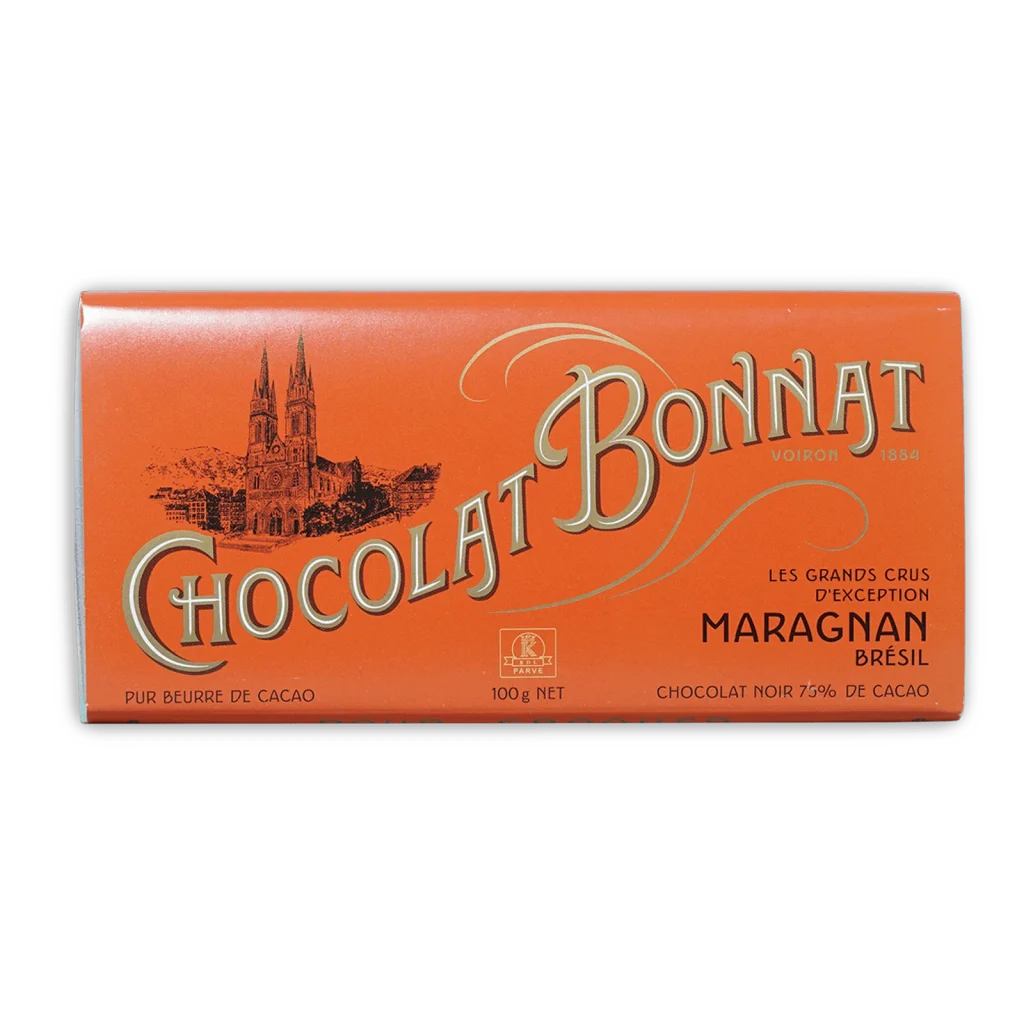
Bar & Cocoa, run out of North Carolina, carries the country’s widest bean-to-bar selection and ships it nationwide, part store and part subscription club. Caputo’s, a specialty market in Salt Lake City better known for cheese caves and imported olive oil, built an entire preservation program around a single Brazilian maker’s wild cacao (more on that below) and throws an annual chocolate festival to show it off. Cocoa Store, a loft on the sixth floor of a building near Union Square in New York, imports the kind of old-world houses that don’t usually bother with US distribution at all — including Bonnat, the French family that has sourced a single Bahia farm for years. Shop Bonnat Brésil Maragnan at Cocoa Store.
The Rarest Find: Wild Cacao From the Amazon
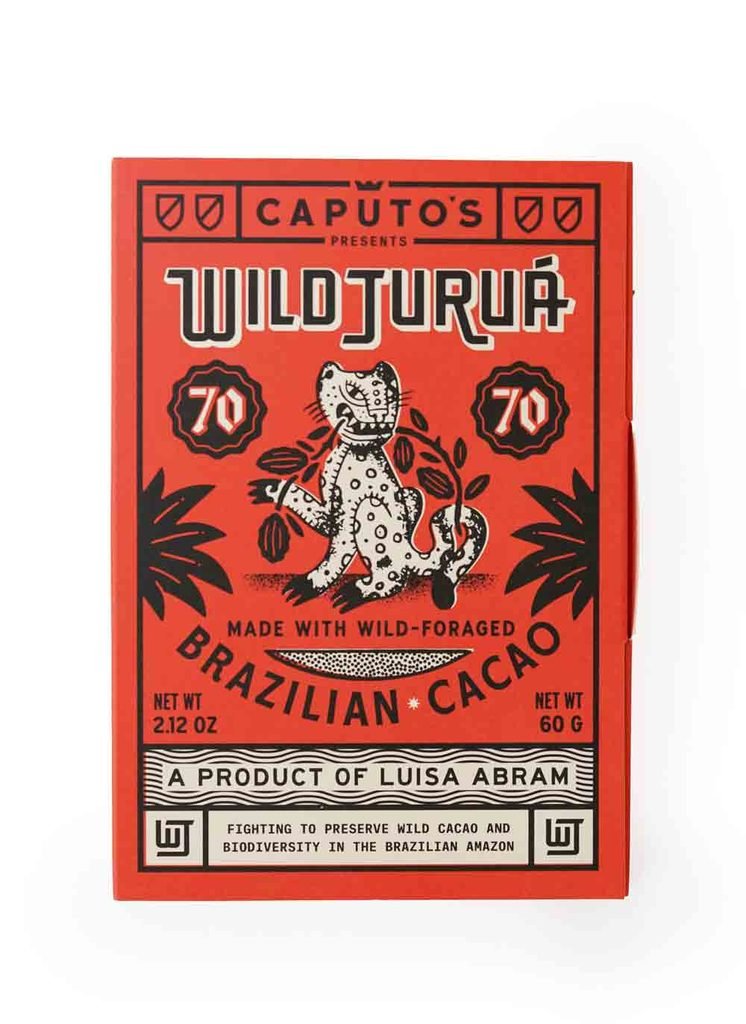
The most unusual bottle on this list is not Brazilian-owned at all, and that is part of what makes it worth knowing about. Caputo’s, a specialty market in Salt Lake City, partnered with Luisa Abram on a project called Wild Juruá: a chocolate made froma genetically unique strain of cacao that grows wild — never farmed, never planted — along the Juruá River deep in the Amazon. Caputo’s prepaid the entire harvest so the five families who gather it would have cash up front, then shipped the beans to Luisa Abram’s workshop in São Paulo to become chocolate.
The bar sells out within weeks of each release and has been featured on a podcast hosted by a James Beard–winning food journalist. Its wrapper carries a jaguar, a Brazilian national symbol, standing in for cacao that may not exist in this form much longer if nobody pays attention to it. It is less a chocolate bar than a small act of preservation you can eat. Join the waitlist for Wild Juruá at Caputo’s.
More Brazilian Chocolate Worth Tracking Down
From Baiani’s coffee and caipirinha bars to Luisa Abram’s river-by-river wild cacao and Mission’s guava and baru nut, here are a few more ways into the same world.
Baiani Dark Chocolate w/ Brazilian Coffee 70%
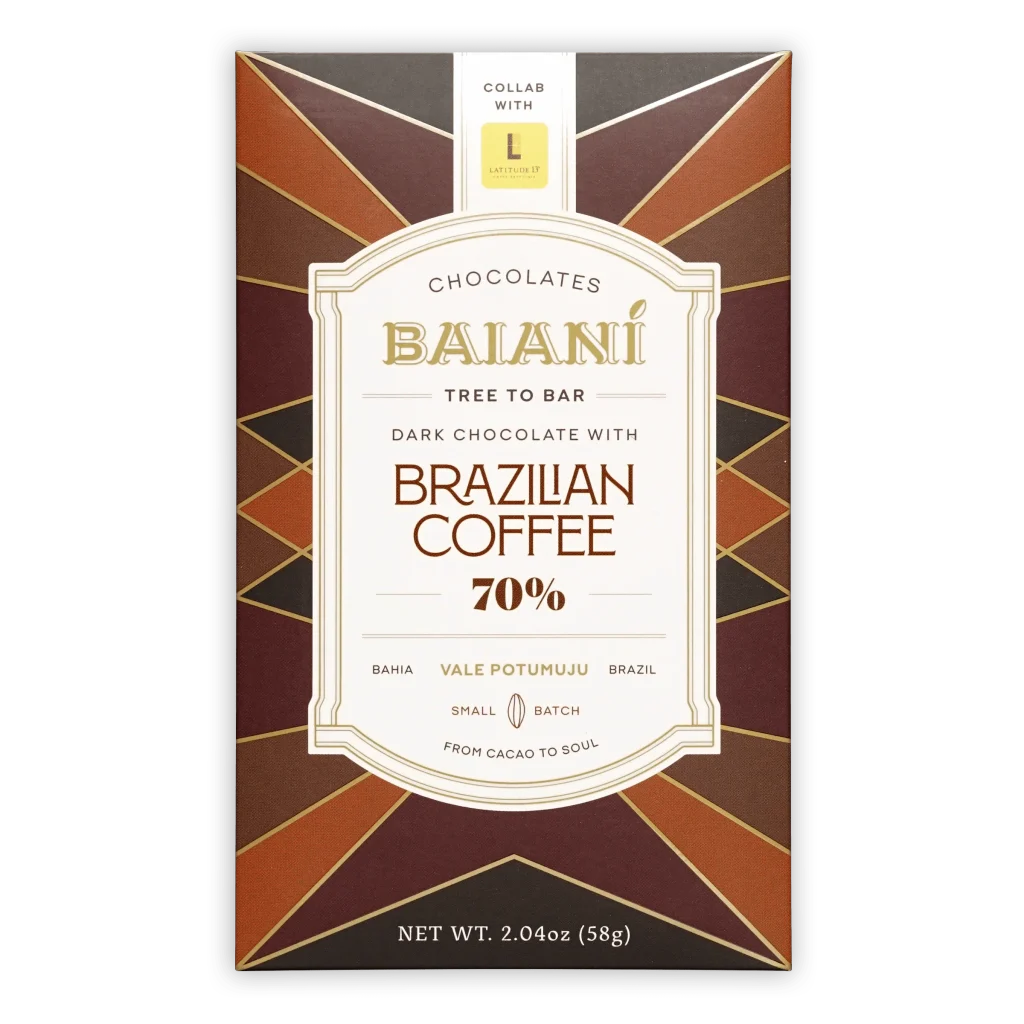
$12.00 Shop at Bar & Cocoa
Baiani Dark w/ Caipirinha 65% (Cachaca w/ Lime Zest)
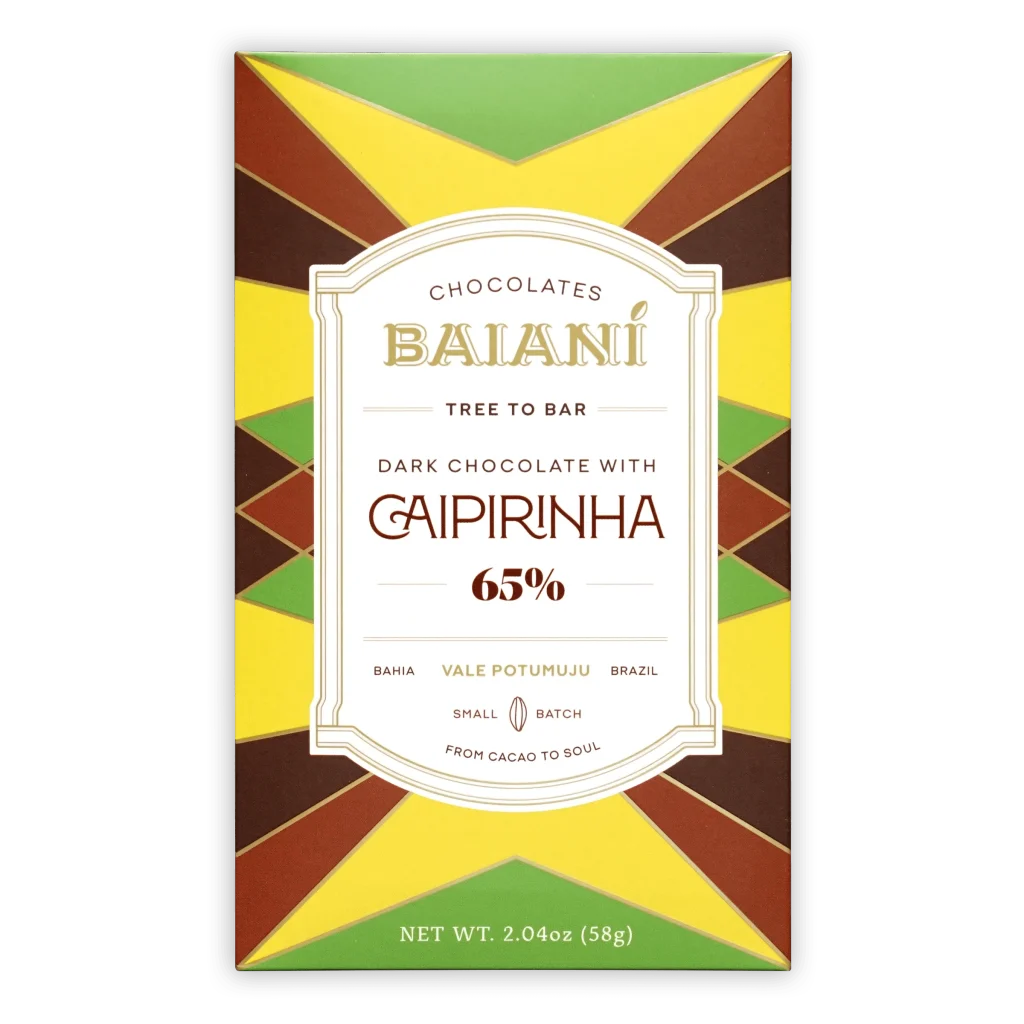
$13.00 Shop at Bar & Cocoa
Luisa Abram Rio Tocantins Wild Cocoa 81%
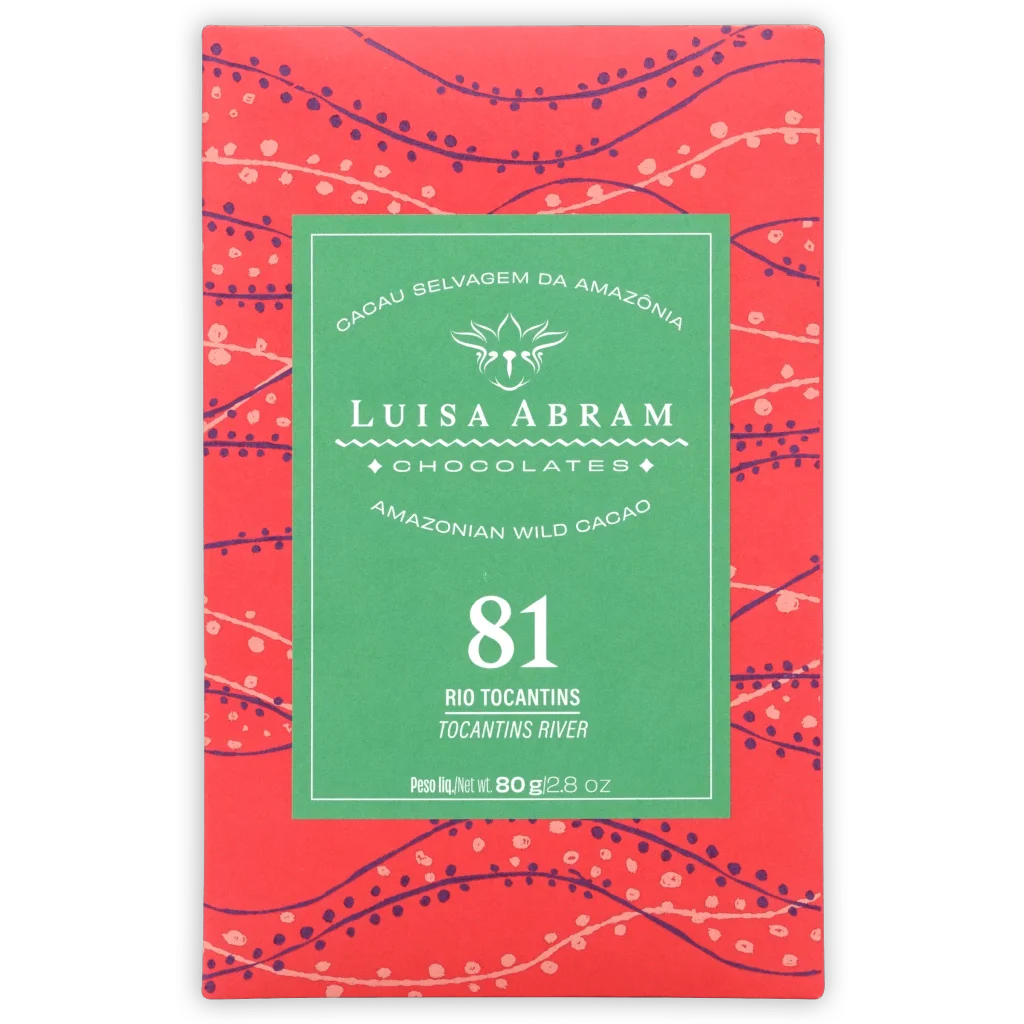
$18.00 Shop at Bar & Cocoa
Mission Chocolate Goibada (Guava) 70%
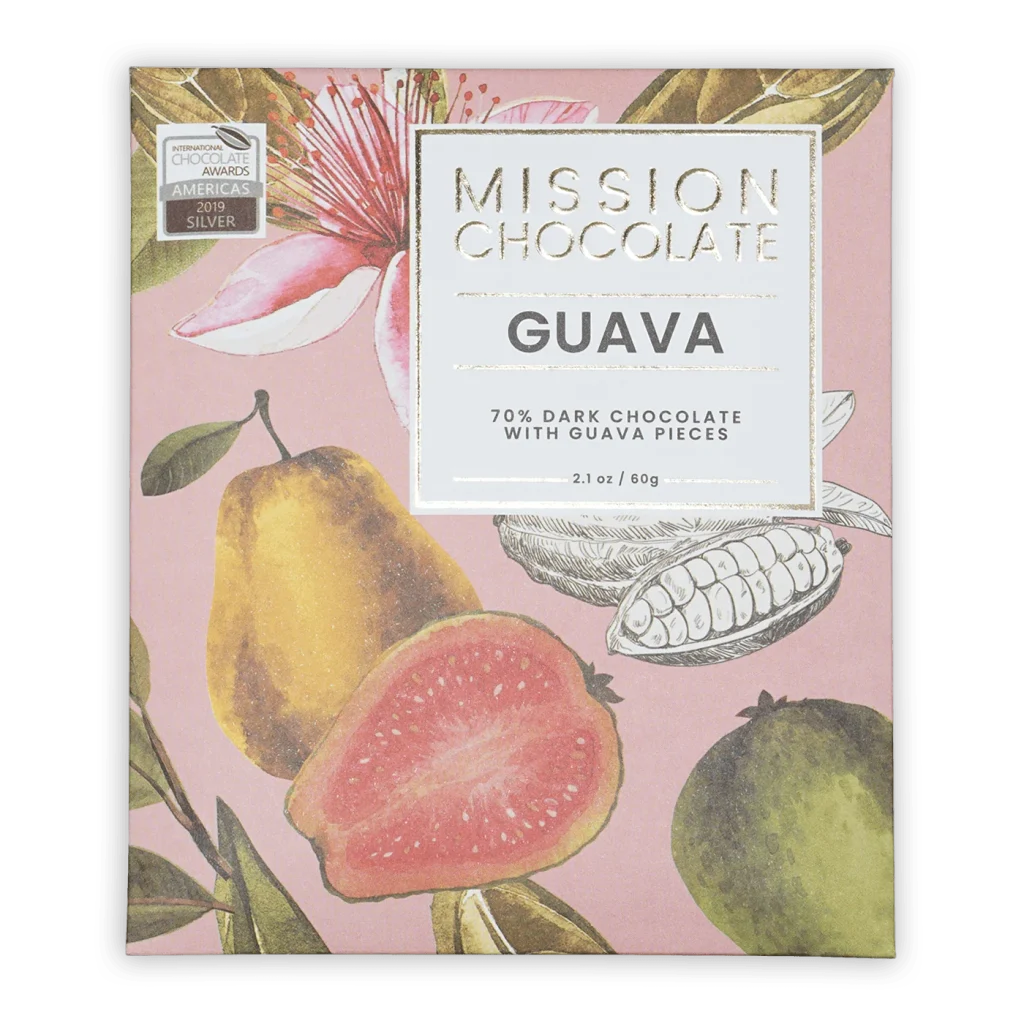
$15.00 Shop at Bar & Cocoa
Baiani White Chocolate Double Caramel
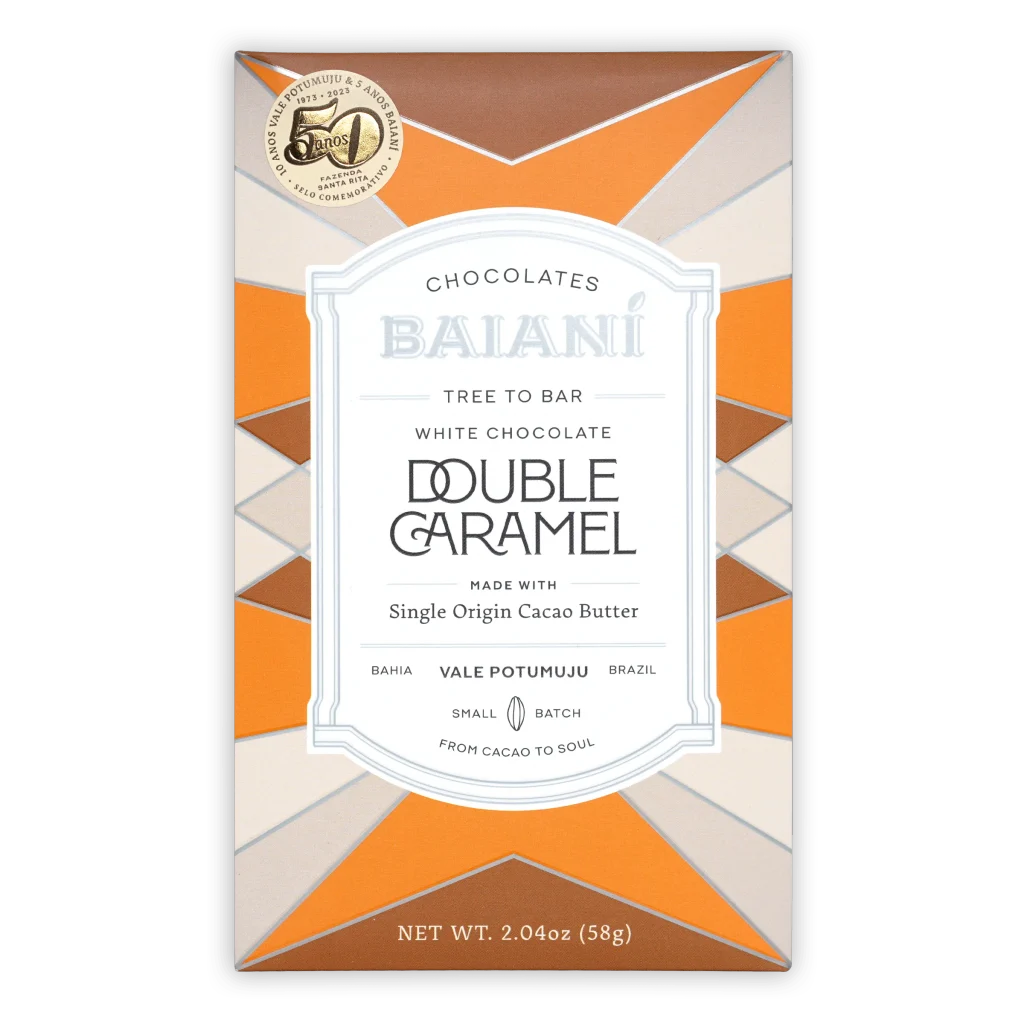
$12.00 Shop at Bar & Cocoa
Where to Start
If you want a safe, crowd-pleasing introduction, start with Baiani. If you’re buying for someone who already knows chocolate and wants a reason to be impressed, Luisa Abram’s river bars or the Bonnat Brésil Maragnan make the stronger case. And if you’re shopping for the person who already owns too much chocolate, the Wild Juruá is the one they probably don’t.
None of this requires a holiday, a Brazilian ancestor, or an excuse. Brazilian cacao earned its way back onto the world’s radar on flavor alone — National Chocolate Day just happens to be a convenient reminder to go find some.
Brazilcore may earn a commission from qualifying purchases made through links on this page.
More from Brazilcore: our guide to Brazilian food products you can buy in the U.S.