

You don’t need to speak Portuguese—or already know Brazilian cinema—to enjoy it. The Inffinito Brazilian Film Festival celebrates its 30th edition with English-subtitled films, major premieres and stories that reveal a Brazil rarely seen from abroad.
Brazilian cinema can take you from the pulse of a Rio favela to a daring bank robbery led by two retirees. It can turn national history into dystopian fiction, introduce cultural figures largely unknown outside the country and make everyday Brazilian life feel both deeply specific and surprisingly universal.
For 30 years, the Inffinito Brazilian Film Festival has brought those stories to Miami, becoming the largest and longest-running Brazilian film festival held outside Brazil.
Its anniversary edition arrives in South Florida from September 3 to 12, 2026, with more than 70 films, several premieres and a tribute to actress and director Glória Pires. All films are presented with English subtitles, making the festival an accessible entry point for international audiences—even those encountering Brazilian cinema for the first time.
The celebration then moves online. From September 13 to 30, viewers anywhere in the world can register for free scheduled screenings on inffinito.plus, including a retrospective of past Crystal Lens winners spanning three decades.
Together, the two programs create a month-long celebration of Brazilian storytelling—and of a festival that has spent three decades helping it cross borders.
More than movies about the Brazil you already know
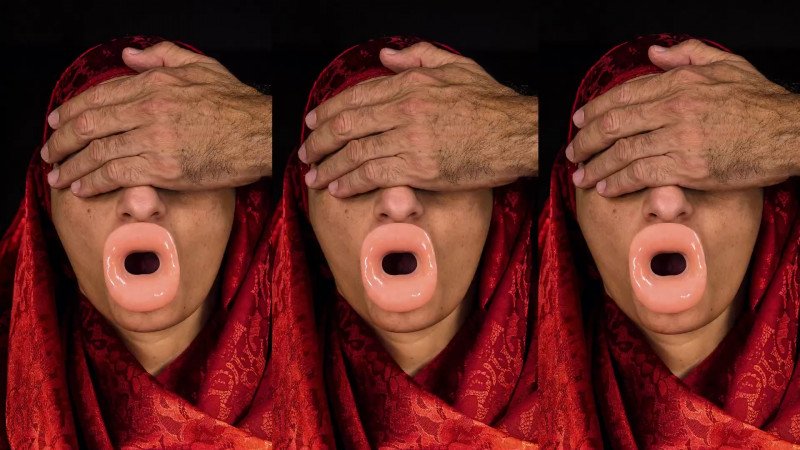
Brazil is frequently reduced abroad to a familiar collection of images: beaches, Carnival, soccer and the Amazon. Its cinema offers a far more layered portrait.
This year’s selection moves across regions, generations and genres, exploring music, race, aging, faith, political history, female ambition and the inequalities of contemporary Brazil. Comedy, crime thrillers, documentaries and musical dramas coexist in a program that resists the idea of a single Brazilian identity.
The films were selected by an all-women curatorial team composed of Adriana L. Dutra, Carla Camurati, Camila Morgado, Laura Fernandes, Letícia Lima, Liliana Kawase and Renata Almeida Magalhães.
That range is part of what makes the festival especially valuable to an international audience. Watching these films is not simply an exercise in cultural discovery. It is a chance to experience how Brazilians see, question and reinvent their own country.
From a screen legend’s farewell to the new sound of Brazil

Rather than following a single theme, the festival offers multiple ways into Brazilian culture.
One of the most anticipated films is Old Bandits (Velhos Bandidos), the action comedy billed as Fernanda Montenegro’s farewell to the big screen. Brazil’s first actress nominated for an Academy Award stars opposite Ary Fontoura as one half of a retired couple planning an ambitious bank robbery.
The film carries an especially personal significance: it was written and directed by Montenegro’s son, filmmaker Cláudio Torres. Its multigenerational cast also includes Bruna Marquezine, Vladimir Brichta and Lázaro Ramos.
Another essential title is To Vigo I Go! (Para Vigo Me Voy!), directed by Lírio Ferreira and Karen Harley. The documentary revisits the life and work of Cacá Diegues, one of the central figures of Cinema Novo—the groundbreaking movement that transformed how Brazil represented itself on screen.
The film premiered at Cannes Classics in 2025 and will have its U.S. premiere at the festival. Its September 4 screening at O Cinema South Beach will be presented by Brazilcore.
Music provides another route into the country. Funk, directed by Aly Muritiba and starring Duda Santos, follows a young woman navigating Rio de Janeiro’s baile-funk scene. Arriving in Miami after screening at the 2026 Tribeca Festival, the film introduces audiences to a musical culture that has become one of Brazil’s most influential—and frequently misunderstood—exports.
The documentary Gonzaguinha — Freedom to Choose revisits the life of the Brazilian singer-songwriter whose politically charged lyrics and unmistakable voice marked a generation. 3 Ministers of Shangô, meanwhile, brings together Jorge Amado, Dorival Caymmi and Carybé to trace the friendship that shaped the imagery of Bahian identity we still recognize today.
Elsewhere in the program, Five Kinds of Fear moves away from the more internationally familiar settings of Rio and São Paulo. Filmed in Cuiabá, in Brazil’s Center-West, the interconnected thriller follows five lives brought together by love, crime, abuse and revenge. Directed by Bruno Bini, it won four Kikito awards at the 2025 Gramado Film Festival, including Best Brazilian Feature Film.
Together, these films present Brazil not as a fixed postcard, but as a country still negotiating its memories, contradictions and changing identities.
Meeting one of Brazil’s most recognizable actresses

The festival’s 30th edition honors Glória Pires, whose career spans more than five decades of Brazilian film and television.
Although her name may be less familiar to viewers outside Brazil, Pires is one of the country’s most recognizable performers. Her filmography includes Quatrilho, nominated for the Academy Award for Best Foreign Language Film, as well as Lula, Son of Brazil and Bruno Barreto’s Reaching for the Moon.
In Miami, she steps into a new role with Sexa, her fiction feature directorial debut. She will attend the closing night on September 12, when the festival presents its Crystal Lens Awards, pays tribute to her career and screens the film at Silverspot Cinema in Downtown Miami.
The online edition will extend the tribute with eight films starring Pires—a useful introduction to the range of an actress who has moved between historical drama, literary adaptation, political biography and popular comedy.
Thirty award winners become a map of modern Brazil
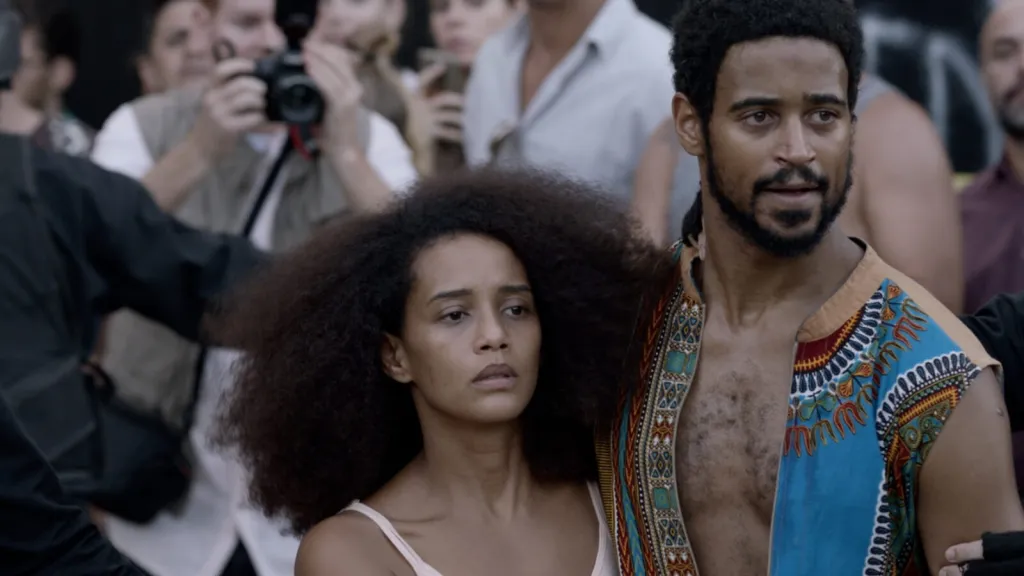
Perhaps the anniversary edition’s most compelling idea begins after the Miami program ends.
From September 13 to 30, the festival’s streaming platform will revisit its own history through the 30-Year Celebration Showcase: 30 feature films, one representing each year of the festival, selected from previous Crystal Lens winners.
The collection begins with Sandra Werneck’s romantic comedy Little Book of Love, screened during the festival’s first edition, and reaches recent productions such as Eva Pereira’s The Sound of the Night, still unreleased in Brazilian theaters.
Along the way, the retrospective includes films that have become important cultural references in Brazil. A Dog’s Will transforms the language and humor of the country’s Northeast into one of Brazilian cinema’s most beloved stories. Cazuza: Time Doesn’t Stop revisits the life of a rock star whose music and public battle with AIDS marked a generation. Dzi Croquettes documents the groundbreaking theater group that challenged gender conventions during Brazil’s military dictatorship.
Lázaro Ramos’ Executive Order, meanwhile, imagines a near-future Brazil in which the government orders Black citizens to be forcibly sent to Africa. It uses dystopian fiction to confront racism, national identity and the enduring consequences of slavery.
Seen together, the films are more than a winners’ archive. They form a shifting portrait of Brazil: what the country laughed about, struggled with, celebrated and feared over 30 years.
A festival built as a cultural bridge

Founded and still led by Adriana L. Dutra, Cláudia Dutra and Viviane B. Spinelli, Inffinito has expanded from Miami into an international circuit with more than 100 festival editions across 14 cities and four continents.
“Reaching 30 years means celebrating resilience and the consolidation of an international audience for Brazilian cinema. Our goal remains the same since 1997: to connect Brazilian stories to the world and open doors for our creators,” the founders say.
Yet Miami remains central to its story. The city’s position between Latin America and the United States makes it a natural meeting place for Brazilian filmmakers, international industry professionals and curious audiences.
The anniversary program reflects that role. Some may come to see a familiar star. Others may choose a music-driven film, an outdoor screening or a documentary about a chapter of Brazilian culture they have never encountered. No previous knowledge is required—and neither is Portuguese.
Only curiosity.
What to know before you go

The in-person edition of the Inffinito Brazilian Film Festival runs from September 3 to 12, 2026, at O Cinema South Beach, the Miami Beach Bandshell and Silverspot Cinema in Downtown Miami.
The worldwide streaming program runs from September 13 to 30 on inffinito.plus. Access is free with registration, and films are presented in scheduled virtual sessions rather than as an unrestricted on-demand catalog.
All festival films are available with English subtitles.
Early bird tickets for the Miami program are available now. Explore the complete schedule and purchase tickets on the festival’s official website.