Brazil has entered a new chapter in its culinary history.
At the 2026 edition of the Michelin Guide Rio de Janeiro & São Paulo, the country reached a milestone long anticipated by the global gastronomy scene: for the first time, restaurants in Brazil — and in Latin America — have been awarded the coveted three Michelin stars.
This is not just symbolic recognition. With only around 150 three-star restaurants worldwide, it places Brazil among the rare destinations where cuisine alone can justify the journey.
⭐ Understanding Michelin Stars
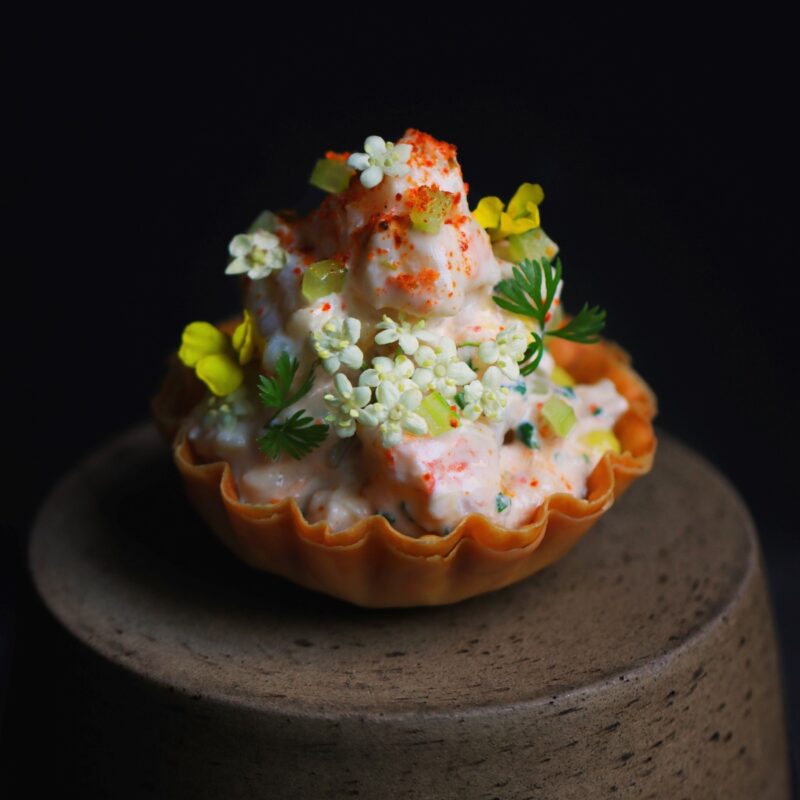
The Michelin star system is one of the most respected benchmarks in global gastronomy — awarded through anonymous inspections focused on technique, ingredients, consistency, and the chef’s distinct voice.
⭐ One Star: High-quality cooking, where ingredients and execution stand out with consistency
⭐⭐ Two Stars: Refined and inspired cuisine that reflects the chef’s personality — a destination in itself
⭐⭐⭐ Three Stars: The highest distinction — restaurants operating at the peak of their craft, delivering a level of cuisine considered exceptional on a global scale and worth a dedicated journey
Importantly, stars are awarded to the restaurant — not the chef — and reflect the full experience over time.
⭐⭐⭐ Brazil’s First Three-Star Restaurants
São Paulo: Where History Was Made
For international travelers, São Paulo is now home to Latin America’s most ambitious dining experiences.
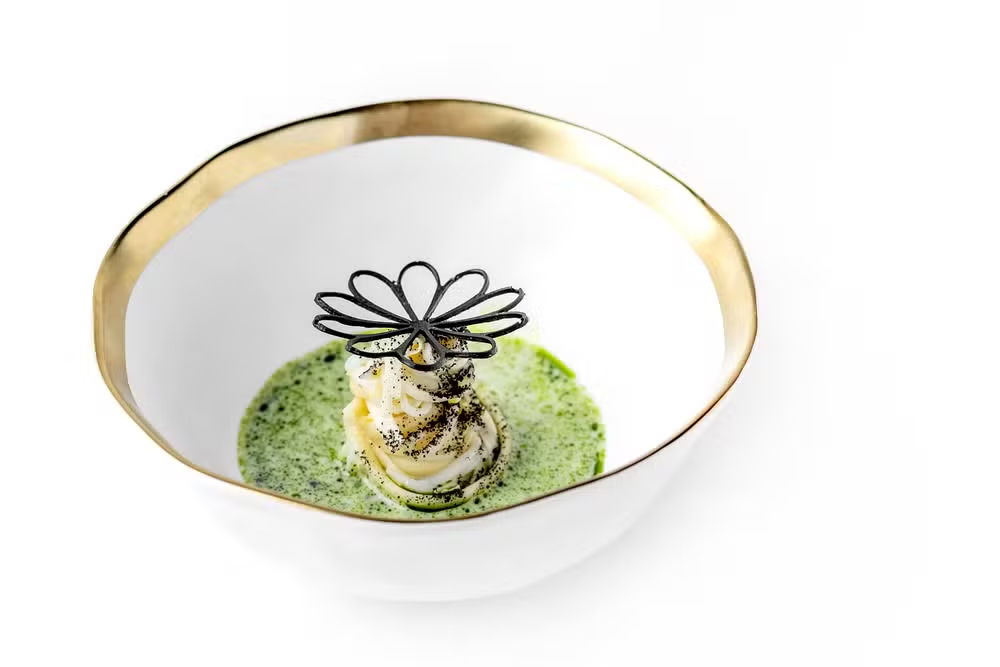
⭐⭐⭐ Evvai
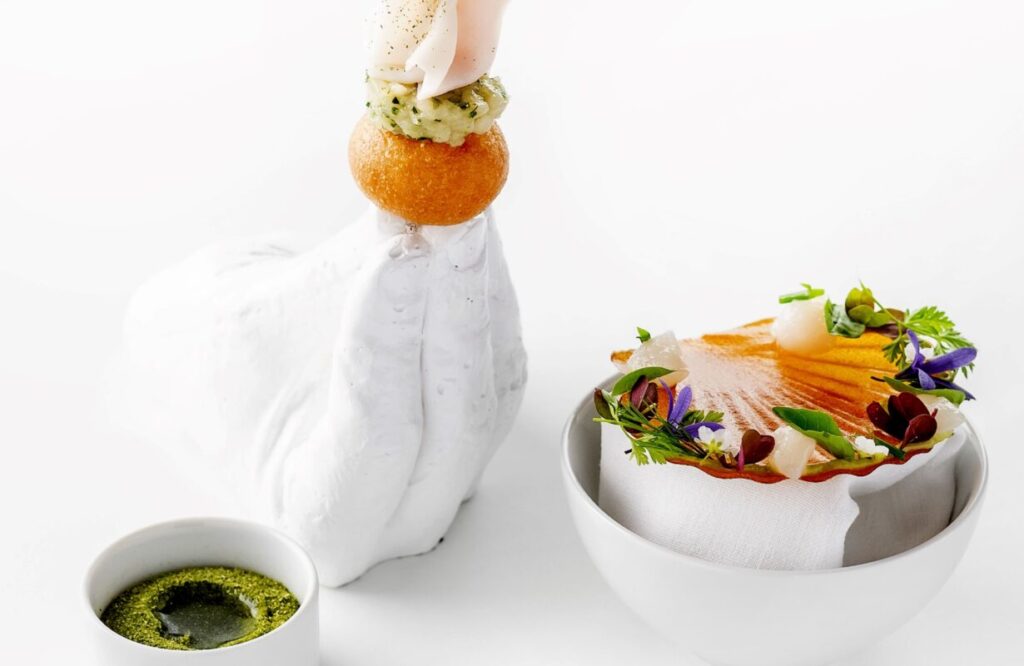
Chef Luiz Filipe Souza builds a highly personal bridge between Brazil and Italy through the tasting menu Oriundi.
His cuisine stands out for its technical precision and a distinctive use of temperature as a compositional element, creating contrast and rhythm across the meal. Dishes evolve beyond traditional formats, combining memory, migration, and contemporary technique.
Each course is accompanied by illustrations drawn by the chef — reinforcing the narrative behind the experience.
Why go: Evvai reframes Brazilian identity through the lens of migration and memory — with a level of refinement that places it firmly on the global stage.
⭐⭐⭐ Tuju
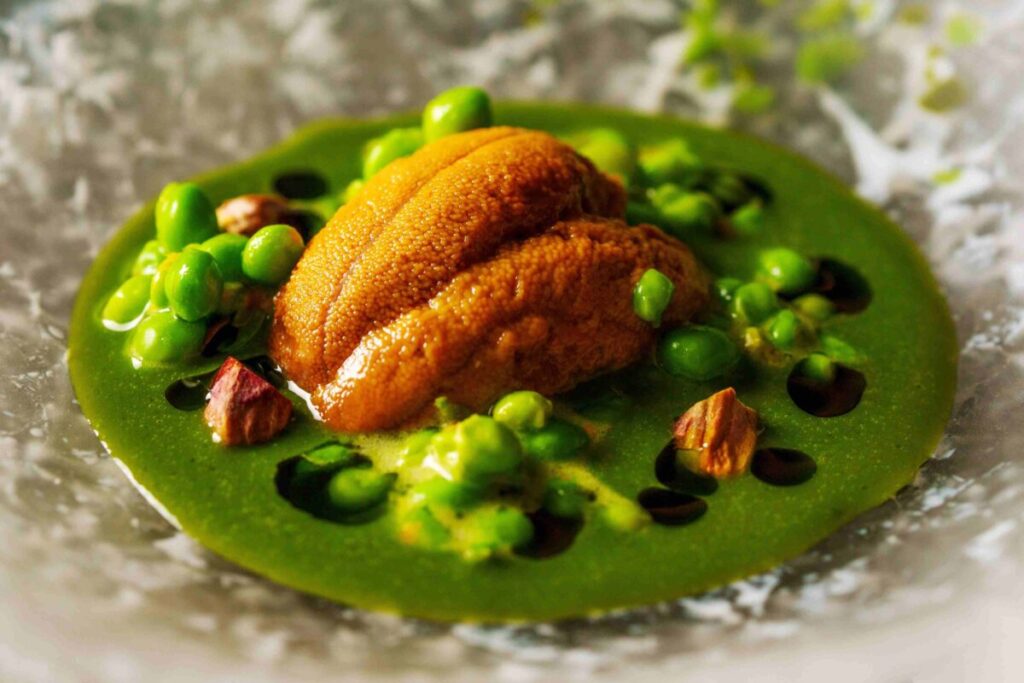
At Tuju, chef Ivan Ralston turns dining into a spatial and seasonal journey.
Set across three floors, the experience unfolds progressively — from aperitifs in a garden setting to an open kitchen and a final bar overlooking the city. The tasting menu changes constantly, guided not only by ingredients but by Brazil’s environmental conditions, including humidity, rainfall, and drought cycles.
Why go: Tuju represents a contemporary Brazilian cuisine that is deeply rooted in territory, climate, and research — offering a perspective that is both local and globally relevant.
The Established Pillars: Two Michelin Stars
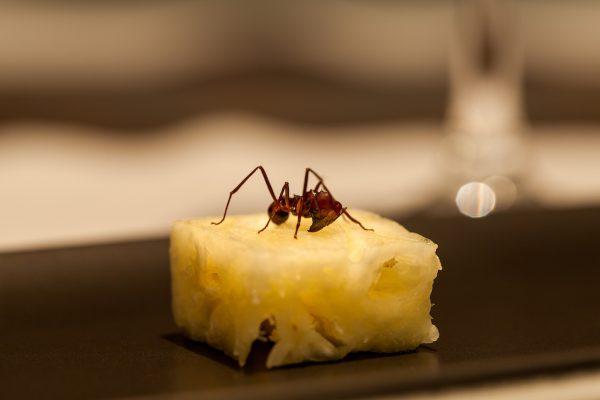
The 2026 guide also reinforces the strength of restaurants that have shaped Brazil’s fine dining reputation over the years:
These restaurants remain essential references, known for consistency, technical excellence, and a strong sense of culinary identity.
Rio de Janeiro: A New Star Joins the Map
⭐ Madame Olympe
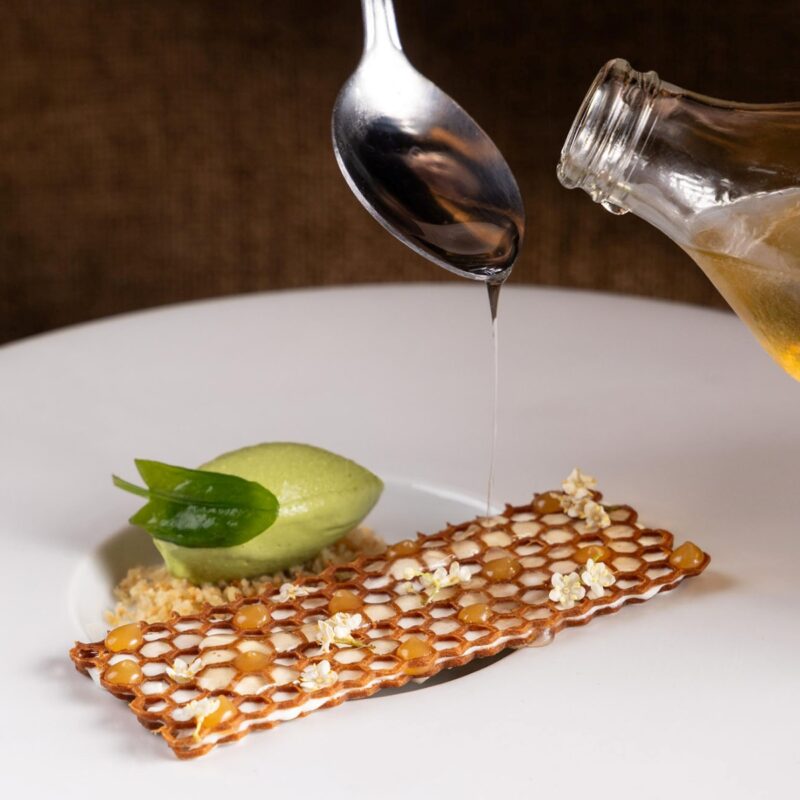
In Leblon, Claude Troisgros and Jéssica Trindade lead one of Rio’s most refined kitchens.
The cuisine blends French technique with Brazilian ingredients and subtle Japanese influences. The result is precise yet expressive, with dishes like duck magret with tucupi and palm heart highlighting the balance between tradition and innovation.
Why go: A sophisticated entry point into Michelin dining in Rio, with a strong sense of place.
Beyond the Stars: Where to Eat Across Both Cities
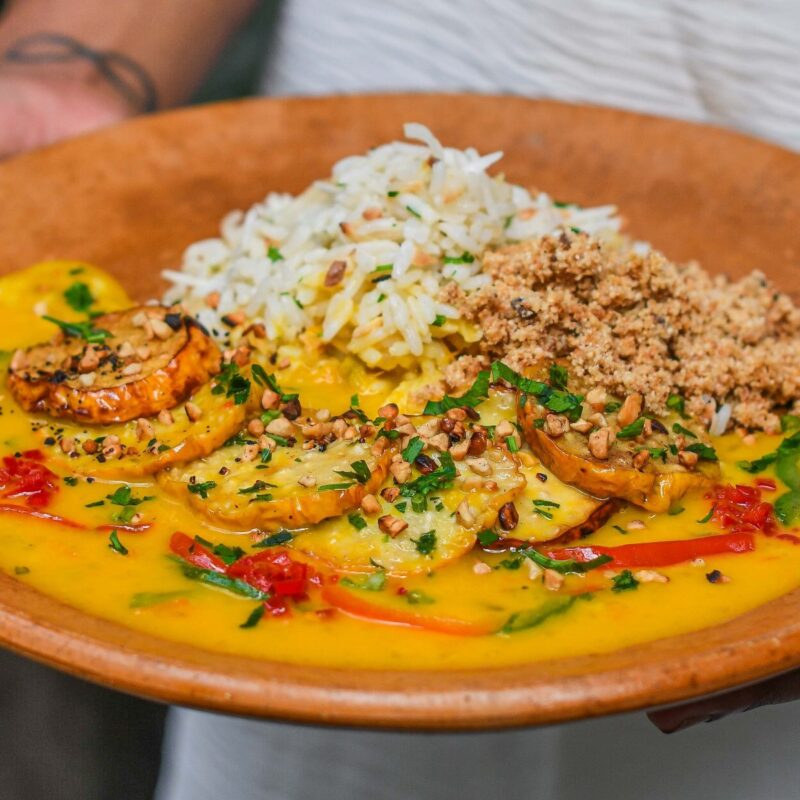
While the three-star milestone dominates headlines, the broader selection reveals a dynamic and evolving food scene.
📍 São Paulo — Highlights
- New Three Stars: Evvai, Tuju
- Two Stars: D.O.M.
- New Bib Gourmand: Jiquitaia, Manioca JK, Ping Yang Thai, Tabōa, Tanit
- New Recommended: Bar da Dona Onça, Grotta Cucina, Kureiji, Makoto San, SIMONE
📍 Rio de Janeiro — Highlights
- New One Star: Madame Olympe
- Two Stars: Lasai, Oro
- New Bib Gourmand: Koral
- New Recommended: Sushi Vaz, Yayá Comidaria
The Bib Gourmand category, now with 44 restaurants, remains especially relevant for travelers seeking strong local experiences with excellent value.
Stars are only part of the story. For the botecos, bakeries and beach kiosks that will never make the Michelin list but define how Rio eats, see the Brazilcore Rio Restaurant Guide: 150+ places across more than 20 neighborhoods, from tasting menus to decades-old counters. Get the Brazilcore Rio Restaurant Guide — $19 →
Why This Matters for Your Trip
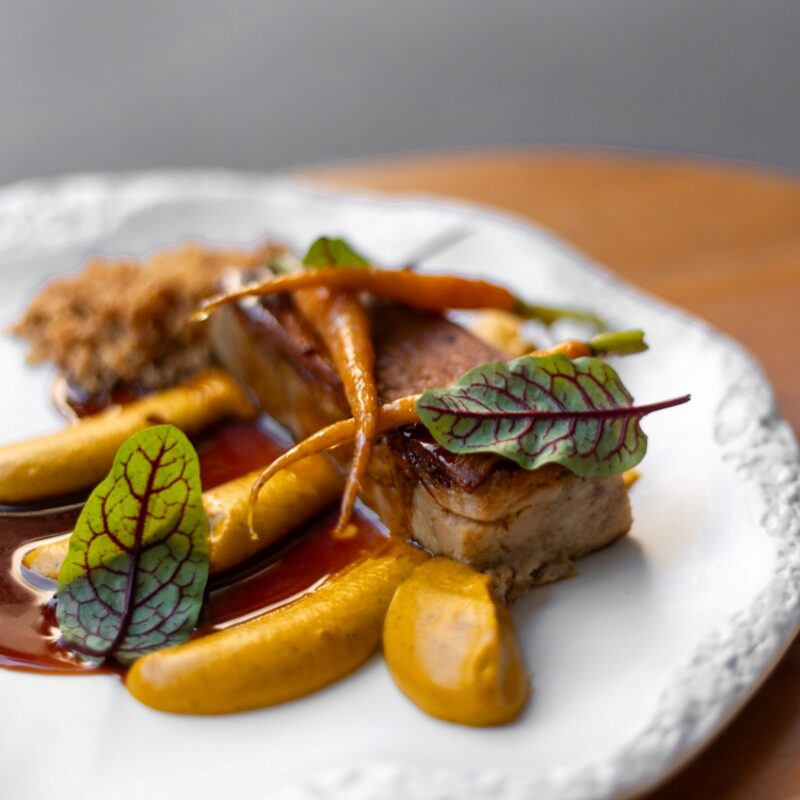
For years, Brazil has attracted visitors through its culture, landscapes, and energy. Now, its culinary scene reaches a new level of global recognition.
For travelers, this changes how a trip can be planned.
Some reservations will require advance booking. Some restaurants will shape entire itineraries. And in certain cases, the meal itself becomes the destination.
Brazil is no longer just a place where you happen to eat well.
It is now a place you travel to eat.