
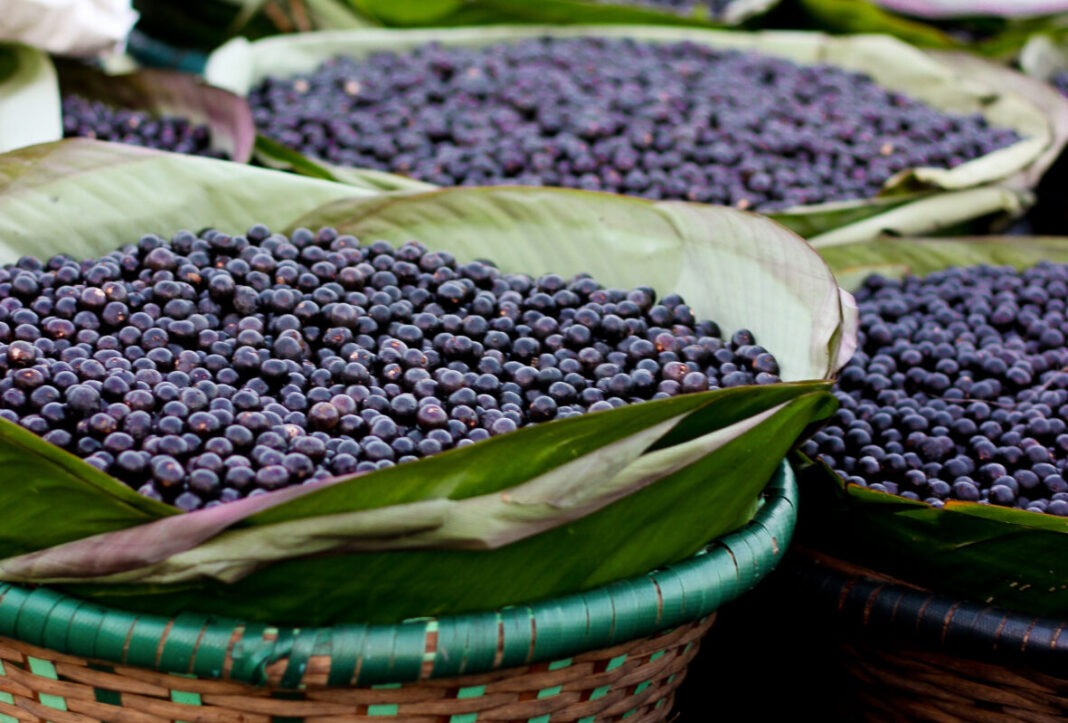
In 2026, Brazil took a historic step by officially recognizing açaí as a national fruit. More than a symbolic gesture, the decision establishes legal, economic, and environmental protections for one of the country’s most globally known products, reinforcing Brazil’s sovereignty over its biodiversity and safeguarding the Amazon’s most iconic fruit from international misuse.
How to pronounce açaí in English
For international readers, açaí is pronounced ah-sah-EE (stress on the last syllable).
From Amazon staple to global superfood
Native to the Amazon rainforest, açaí is the fruit of the açaí palm tree and has long been central to the diet, economy, and cultural identity of Northern Brazil. Traditionally consumed fresh or as a thick pulp, it later gained worldwide popularity as a “superfood,” becoming a staple in smoothies, bowls, supplements, and cosmetic products across the U.S., Europe, and Asia.
As global demand surged, so did concerns over quality control, misuse of the name, and attempts to detach the fruit from its Brazilian origin.
What changes with the new law

The recognition of açaí as Brazil’s national fruit is established by Law No. 15.330 (2026), published in the Diário Oficial da União on January 8, 2026. The law elevates açaí from a cultural symbol to a strategic legal asset of the Brazilian state.
Legally, this means:
- Açaí is now officially linked to Brazil’s national heritage
- Its genetic identity is protected under Brazilian sovereignty
- The fruit is no longer treated as a generic global commodity
This status strengthens Brazil’s control over how açaí is commercially, scientifically, and industrially used worldwide.
A direct response to biopiracy
One of the law’s core objectives is to combat biopiracy, a long-standing threat to Brazilian biodiversity. A landmark case occurred in 2003, when a Japanese company registered a patent related to açaí. The registration was only canceled in 2007 after direct intervention by the Brazilian government.
The new legal framework closes loopholes that previously allowed such practices by introducing:
- Legal protection of the name “açaí”, preventing foreign trademark registrations disconnected from Brazilian origin
- Restrictions on genetic access, requiring formal authorization for scientific or industrial use
- Territorial linkage, paving the way for future geographical indication (GI) status
The legal foundations behind the protection
The recognition of açaí aligns directly with Brazil’s Biodiversity Law (Law No. 13.123/2015), which regulates access to genetic heritage and traditional knowledge and mandates benefit-sharing with local communities.
It also reinforces Article 225 of Brazil’s Federal Constitution, which defines the Amazon rainforest as national heritage and obliges the state to protect its biodiversity against predatory exploitation and misappropriation.
Economic impact on the Amazon and the North
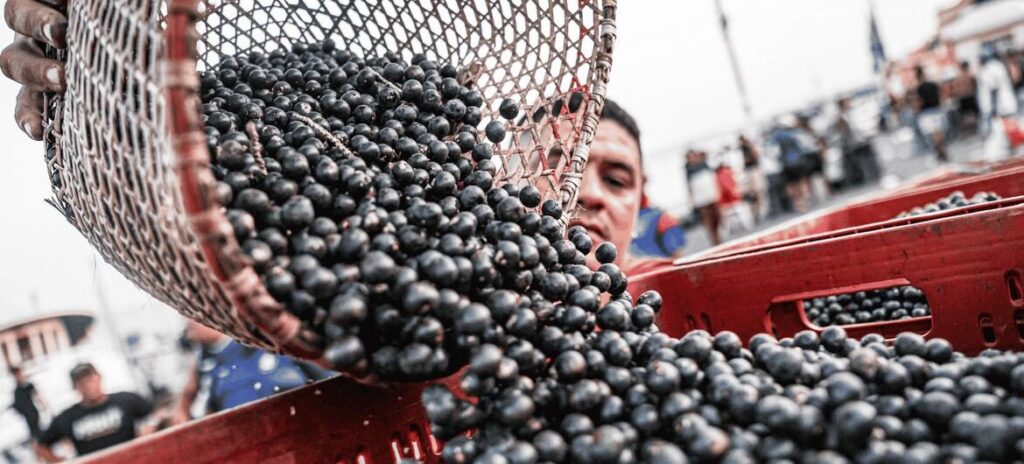
By legally anchoring açaí to its place of origin, the law reshapes the entire production chain, especially in the Northern region.
Key impacts include:
- Greater value for Amazonian producers, improving pricing power in international markets
- Mandatory benefit-sharing, ensuring profits return to traditional communities
- Incentives for national research and innovation, keeping patents and technological development within Brazil
Beyond food, the açaí palm is fully utilized:
- The pulp is consumed and industrialized
- Seeds are reused in crafts and bioenergy
- The trunk provides palm heart
- Roots are traditionally used in popular medicine
Why this strengthens Brazil’s global position
By officially recognizing açaí as a national fruit, Brazil prevents it from being diluted into an anonymous global trend. Instead, the country reaffirms the fruit as a cultural, economic, and environmental symbol, deeply tied to the Amazon and its people.
The decision positions Brazil more strongly within the global bioeconomy, ensuring that biodiversity-based products are explored responsibly, with legal clarity, social return, and respect for traditional knowledge.
More than symbolism

Açaí’s new status goes far beyond national pride. It is a strategic move that protects origin, quality, and identity—ensuring that as the world continues to consume açaí, its roots remain unmistakably Brazilian.
For a fruit that traveled from riverbank breakfasts in Pará to menus worldwide, the message is now clear: açaí belongs to Brazil, legally, culturally, and historically.