
When people think of Brazilian beaches, places like Rio or Bahia usually come to mind — turquoise waters, dramatic cliffs, postcard perfection. But Brazil also holds a record that quietly redefines scale itself.
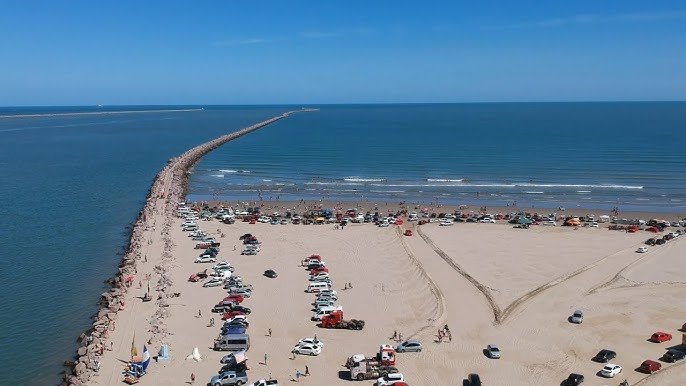
Recognized by the Guinness World Records since 1994, Praia do Cassino is officially the longest beach in the world. Stretching an astonishing 254 kilometers (about 158 miles) along the southern coast of Brazil, it runs uninterrupted from the Molhes da Barra to Chuí, right at the border with Uruguay.
This isn’t just a beach — it’s a landscape.
A Different Kind of Brazilian Coastline
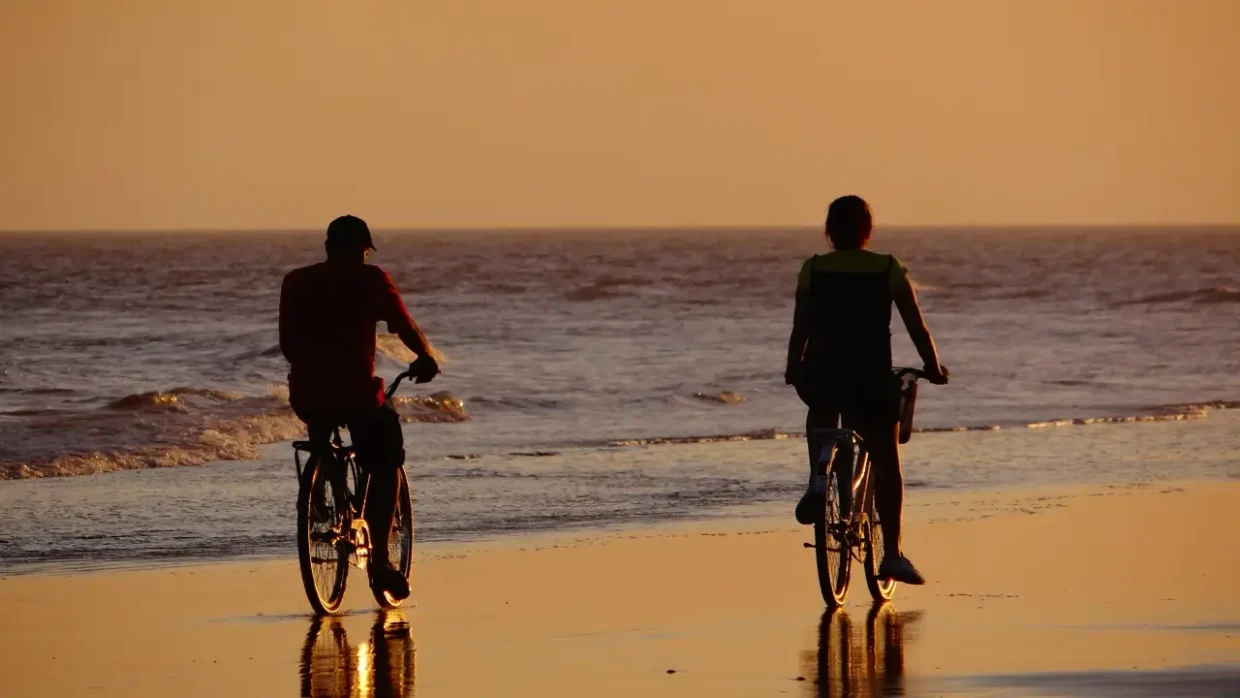
Located in the state of Rio Grande do Sul, Praia do Cassino feels worlds apart from Brazil’s tropical imagery. The water isn’t crystal blue, and the winds can be strong — but that’s exactly what gives the place its character.
At certain points, the beach can reach up to 200 meters in width, creating vast, open horizons where sky, sand, and sea blend into something almost cinematic. It’s the kind of place where distance feels abstract — you don’t just walk along the shore, you travel through it.
Riding the Rails Into the Ocean
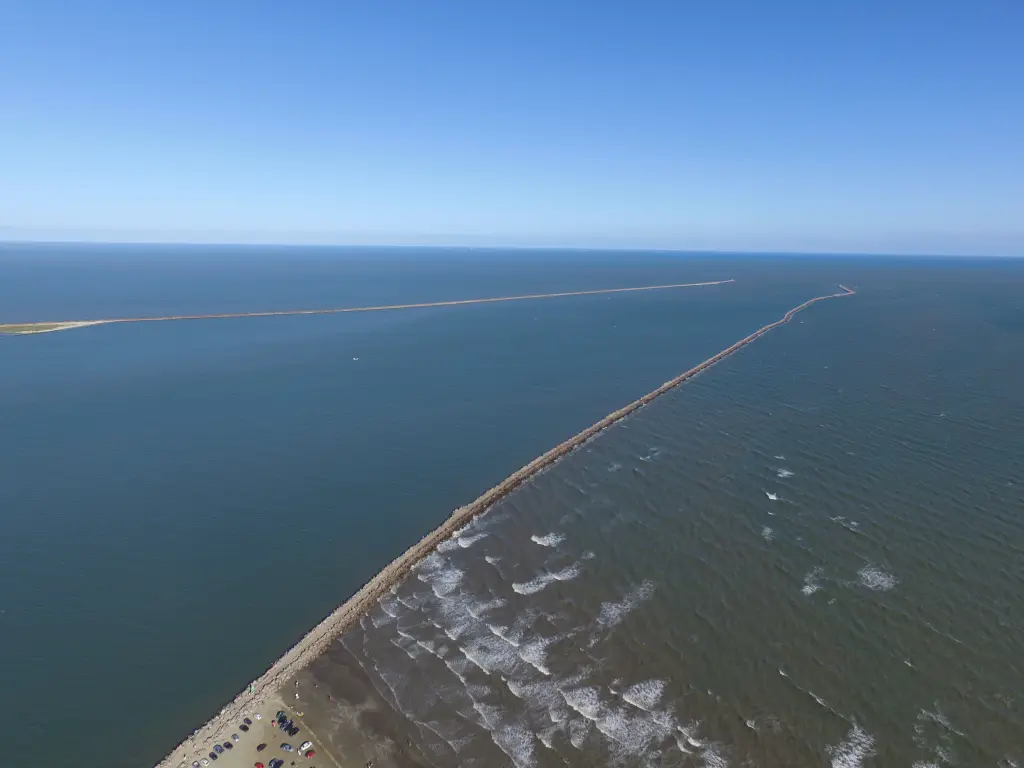
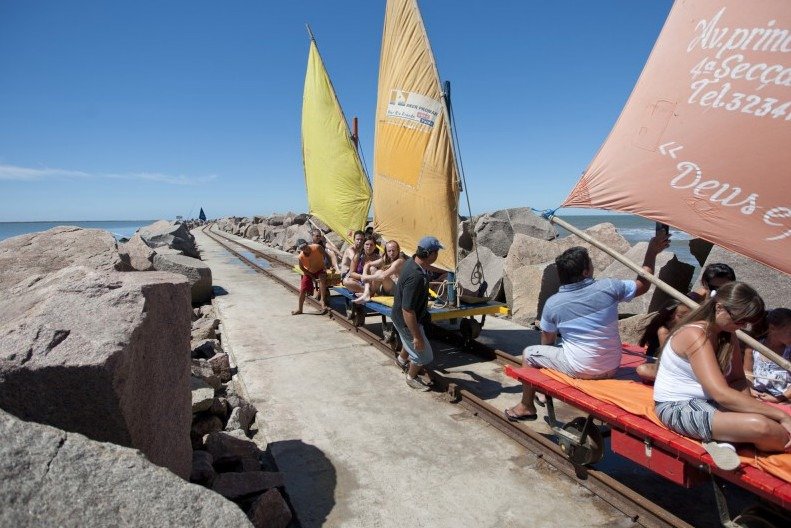
At the northern end of the beach, the Molhes da Barra — a massive structure built from stacked rocks — extends 4.3 kilometers into the Atlantic. Originally engineered to allow large ships to access the Lagoa dos Patos, it has become one of the region’s most unique attractions.
Visitors can board small sail-powered rail carts that glide along tracks over the rocks, carried by the wind toward a lighthouse at the tip. The ride takes about 20 minutes, and if you’re lucky, you might spot dolphins or seabirds along the way.
Shipwrecks, Surf, and Subtle Mysticism
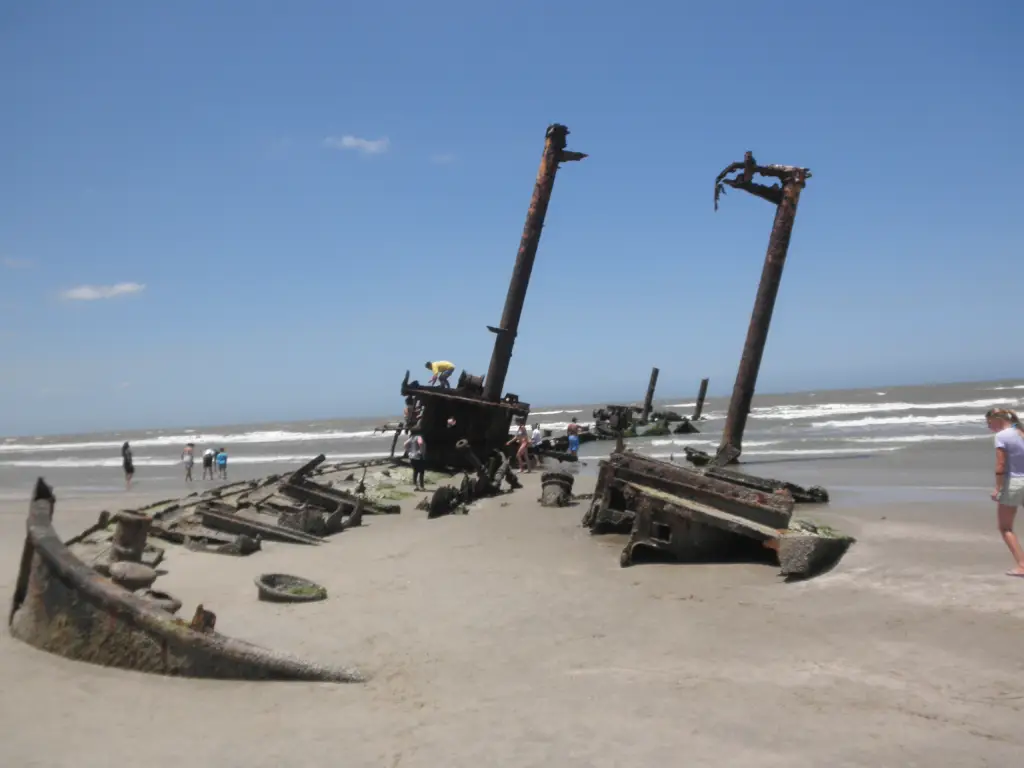
Further down the coast, the rusting remains of the Altair, a cargo ship that ran aground in 1976, still rest on the sand — a haunting reminder of the ocean’s force.
The most frequented stretch lies near the city of Rio Grande, where hotels and restaurants offer a base for visitors. Near the main access point, you’ll find a statue of Iemanjá, a figure deeply rooted in Afro-Brazilian spiritual traditions.
Meanwhile, the strong winds and consistent waves make Praia do Cassino a hotspot for surfing and kitesurfing — less about lounging, more about movement.
A Marine Sanctuary in the Making
In recent years, the region gained even more significance with the creation of the Parque Nacional Marinho do Albardão, now the largest marine national park in Brazil.
This protected area serves as a crucial nursery for marine life and is home to the toninha (Pontoporia blainvillei), the most endangered marine mammal in the South Atlantic. Its presence highlights how this seemingly remote coastline plays a vital role in global biodiversity.
Getting There
The nearest airport is in Pelotas, about 72 kilometers away. From Porto Alegre, the state capital, the journey is roughly 327 kilometers by road.
Praia do Cassino may not fit the classic image of Brazil — and that’s precisely the point.
It’s a reminder that the country’s coastline isn’t just about beauty, but about scale, diversity, and unexpected stories. A place where wind replaces calm, distance replaces density, and where Brazil reveals yet another version of itself — one that stretches as far as the eye can see.