
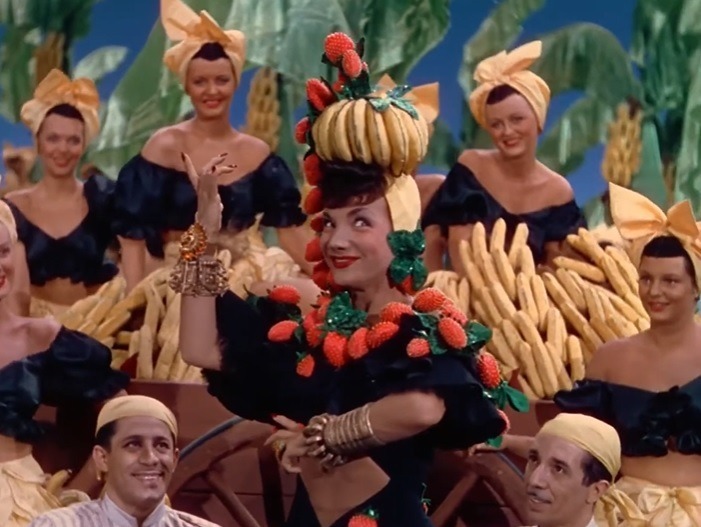
She was barely five feet tall, yet in the 1940s Carmen Miranda became one of Hollywood’s highest-paid actresses and one of the most recognizable women on the planet. Her Technicolor musicals lit up American cinemas, her samba rhythms crossed borders, and her exuberant tropical aesthetic reshaped how Brazil was seen abroad. Long before “global pop star” became a marketing term, Carmen Miranda had already embodied it.
In February 2026, Rio de Janeiro marks what would have been her 117th birthday with a special program at the Museu Carmen Miranda, located in Flamengo Park. For international travelers visiting the city during Carnival season or seeking cultural experiences beyond the beach, it is a timely and meaningful stop.
The exhibition Carmen: Luz e Ação showcases nearly 3,000 personal items left by the artist — from original costumes and accessories to photographs, documents, and rare recordings. Her artistic output remains striking: close to 300 songs, 160 albums, and twenty films completed before her untimely death at 46.
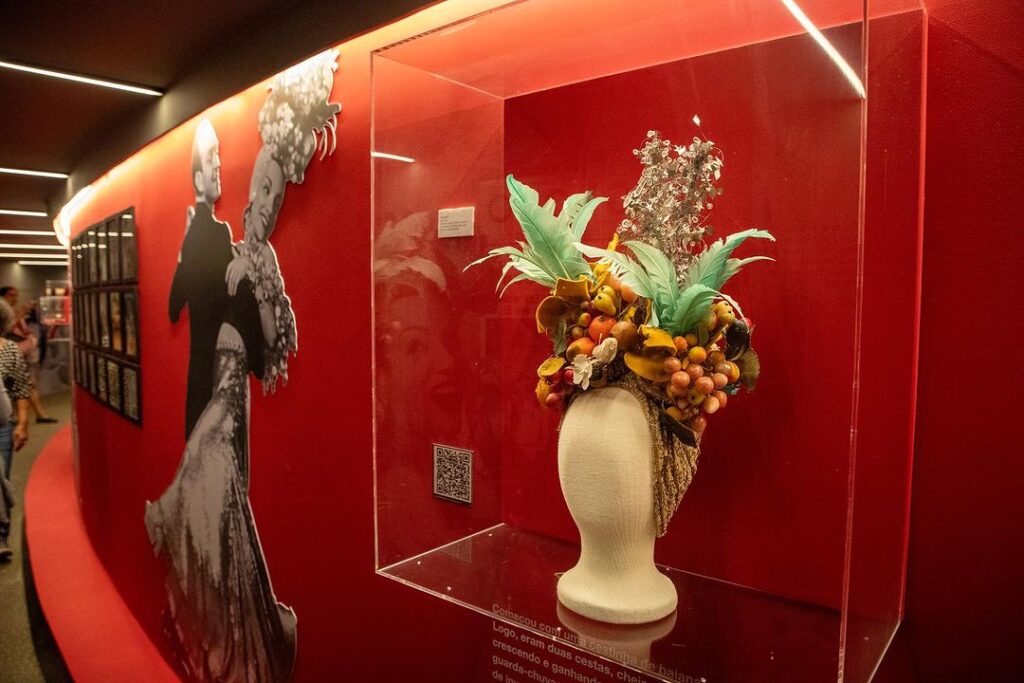
The February programming includes creative workshops inspired by her unmistakable style and by the samba she helped export worldwide. At the same time, the museum continues year-round exhibitions dedicated to preserving and reinterpreting her legacy, making it a permanent cultural landmark in Rio, not just a seasonal attraction.
Another chapter of her story unfolds at the Centro Cultural João Nogueira, where Carmen, Embaixatriz do Samba features a 3D reproduction of her mortuary mask, originally created in the United States — a poignant reminder of a life lived between Rio and Hollywood.
For foreign visitors interested in cinema history, Brazilian music, and the global circulation of culture, this is more than a museum visit. It is an encounter with the woman who turned samba into soft power — and who remains, decades later, one of Rio’s most internationally recognized icons.