
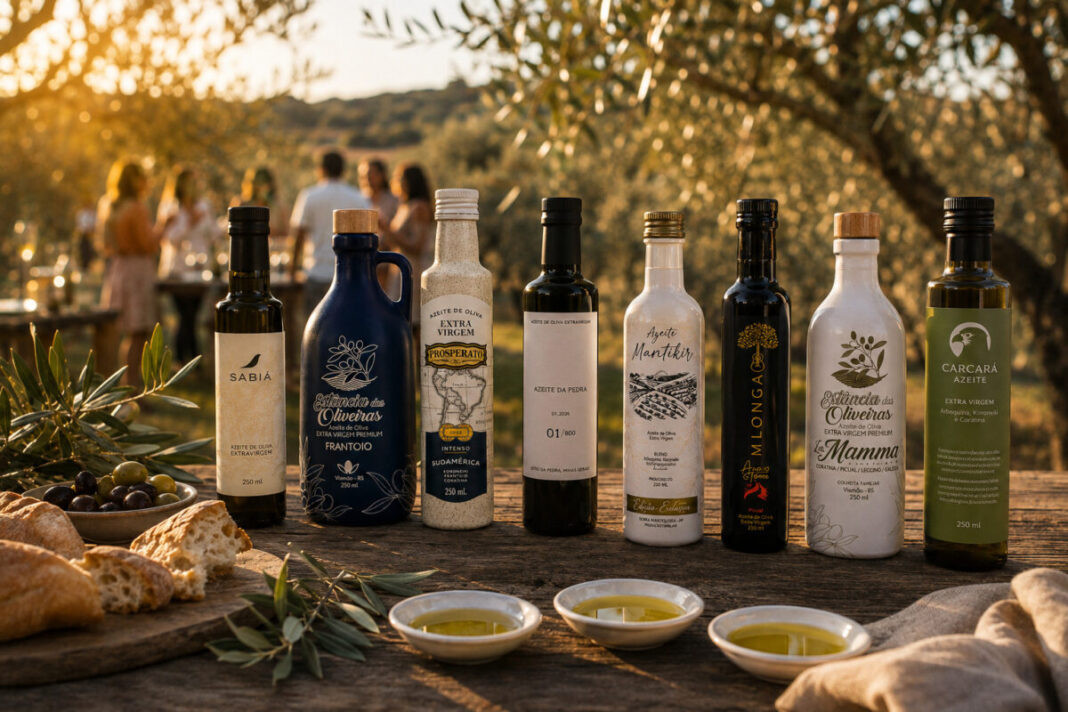
Brazilian olive oil is earning top international awards. Discover the best producers, leading regions and where to find these premium oils.
Brazil is famous for coffee, açaí and cachaça. Now, another homegrown product is earning international acclaim: extra-virgin olive oil.
At the 2026 EVO International Olive Oil Contest in Italy, Brazilian producers earned an extraordinary 98 gold and 29 silver medals. Of the 139 Brazilian oils entered, 127 received an award—a success rate of more than 91 percent.
Brazil sent almost as many entries as host country Italy and ultimately won more medals. Italian producers received 110 awards from 144 submissions, including 80 gold medals. In total, the competition evaluated a record 786 olive oils from 32 countries.
The results are even more impressive considering how young Brazil’s commercial olive oil industry is. The country’s first extraction of 100-percent Brazilian extra-virgin olive oil took place in Minas Gerais in 2008. Commercial production followed in Rio Grande do Sul the next year.
Less than two decades later, Brazilian bottles are competing with—and sometimes outperforming—oils from countries with centuries-old olive-growing traditions.
Where are Brazil’s best olive oils produced?
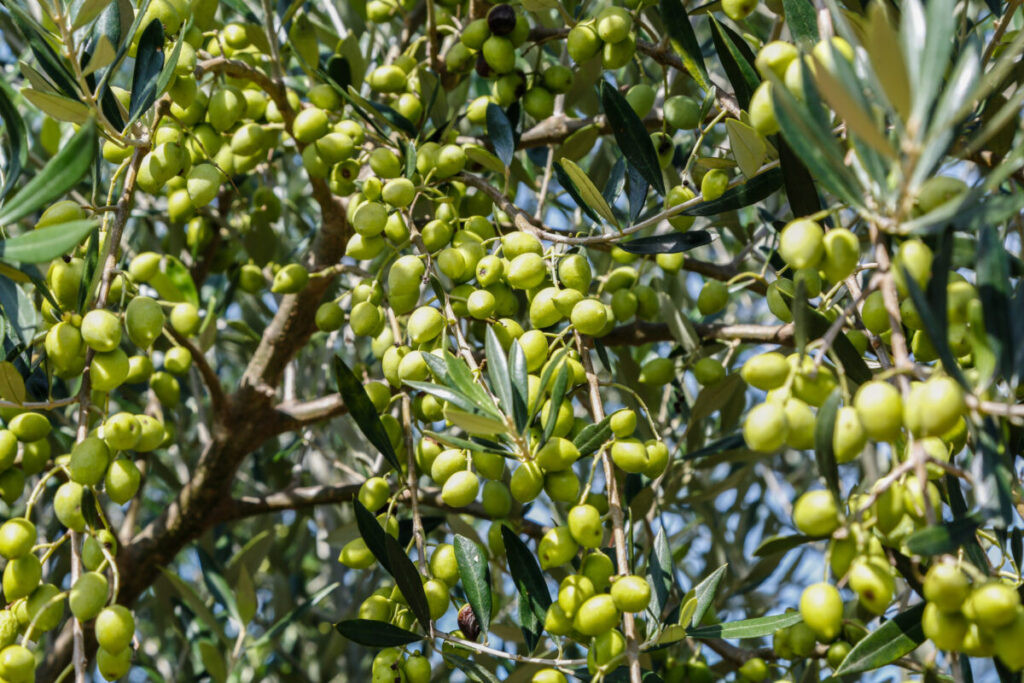
Two regions currently lead Brazil’s olive oil revolution: Rio Grande do Sul, in the far south, and the mountainous Serra da Mantiqueira, primarily in Minas Gerais.
Rio Grande do Sul
Brazil’s southernmost state is the country’s leading olive oil-producing region. Its colder winters, open landscapes and larger cultivated areas have allowed producers to expand production while continuing to improve quality.
Some of Brazil’s most celebrated olive oil brands come from Rio Grande do Sul, including:
- Estância das Oliveiras, in Viamão
- Azeite Sabiá, in Encruzilhada do Sul
- Azeite Milonga, in Triunfo
- Prosperato, one of the pioneers of premium Brazilian olive oil
After two difficult harvests affected by El Niño and the devastating floods that hit Rio Grande do Sul, drier weather contributed to better fruit in both volume and quality during the 2025–2026 season.
Serra da Mantiqueira
Stretching across parts of Minas Gerais, São Paulo and Rio de Janeiro, the Serra da Mantiqueira is Brazil’s high-altitude olive oil territory.
Many of its groves sit between 1,200 and 1,900 meters above sea level. The cool mountain climate, significant temperature changes and small-scale production help create fresh, expressive oils with distinctive aromas and flavors.
The region was also the setting for Brazil’s first successful extra-virgin olive oil extraction in 2008. The International Olive Council highlights the Mantiqueira’s high-altitude groves and quality-focused production.
Mantikir, Azeite da Pedra and Azeite Carcará are among the region’s rising international stars.
The award-winning Brazilian olive oils to know
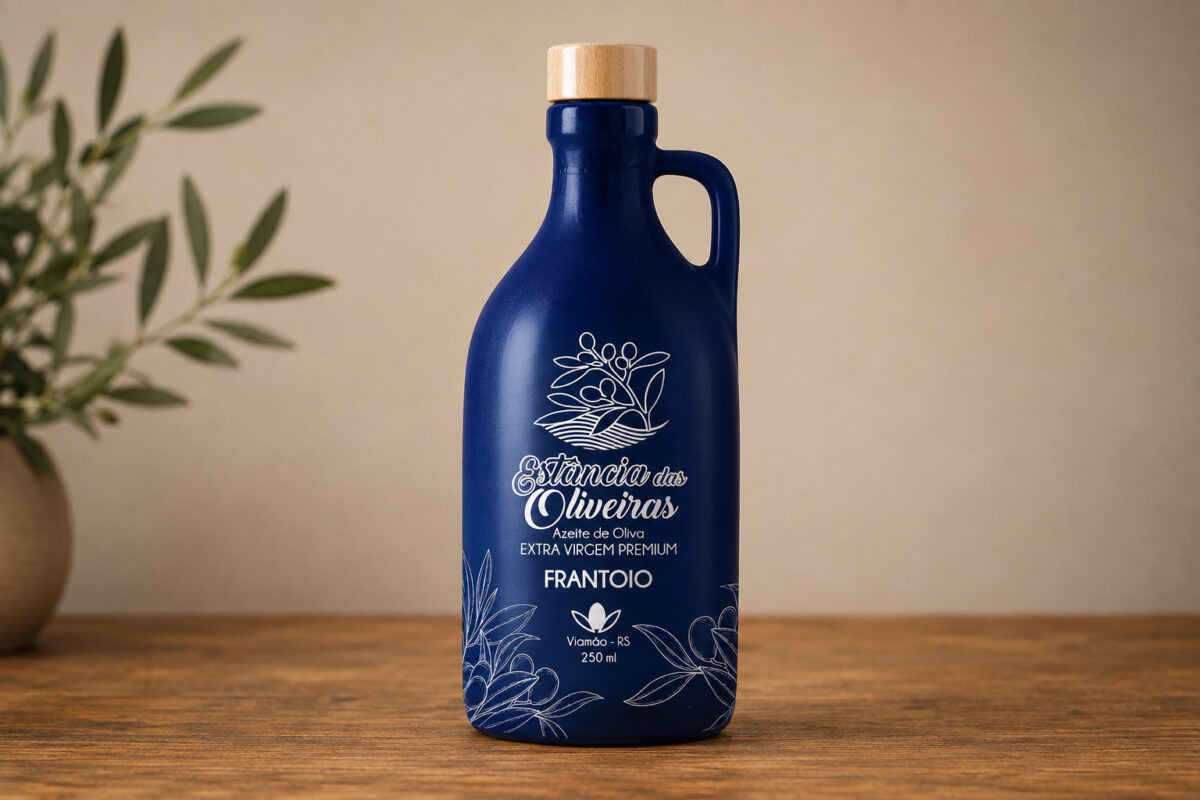
Estância das Oliveiras Frantoio: the “perfect” olive oil
One of the biggest stories of Brazil’s 2026 harvest began even before the competition in Italy.
In April, Estância das Oliveiras Frantoio received a perfect score of 100 out of 100 at the European International Olive Oil Competition in Geneva, Switzerland. Its unanimous evaluation earned the label Best in Show, the competition’s highest distinction.
According to the producer, it was the first time an olive oil had received a perfect score in the contest’s history. All ten oils submitted by the estate that year earned awards. The complete list of distinctions is available on Estância das Oliveiras’ official website.
Produced on a family estate in Viamão, approximately 18 miles from Porto Alegre, Frantoio is made exclusively from an olive variety of Italian origin.
It is a medium-intensity oil with pronounced fruitiness, bitterness and pepperiness. Its complex aromatic profile can evoke spices, fennel, green almonds, basil, celery, coriander, banana, thyme, melon and jalapeño.
At the EVO IOOC Italy, the same label was named Best Monovarietal Olive Oil in the Southern Hemisphere. A monovarietal oil is simply one made from a single olive variety—much like a wine produced from one type of grape.
The limited-edition Frantoio is not widely available in stores, but visitors can taste it during experiences at the estate, which offers guided tours, tastings and direct sales.
Estância das Oliveiras La Mamma: Brazil’s best blend
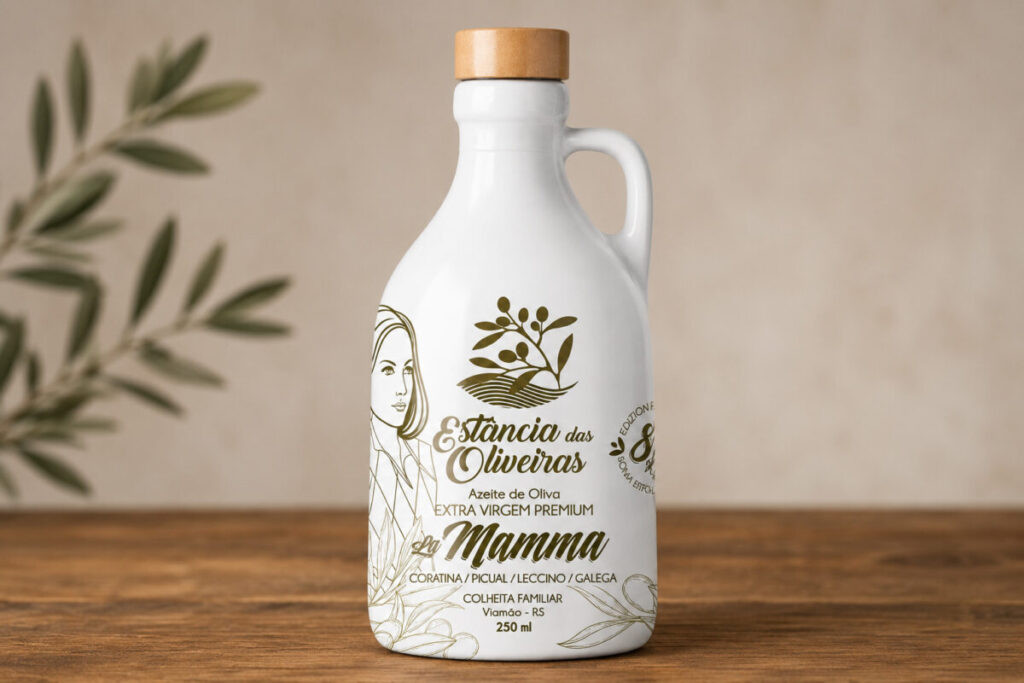
Estância das Oliveiras had another major winner in Italy. Its La Mamma blend was named Best Extra-Virgin Olive Oil from Brazil.
The label combines four olive varieties—Coratina, Picual, Leccino and Galega—creating a medium-intensity oil with vivid fruitiness and noticeable bitter and peppery sensations.
If Frantoio demonstrates the distinct personality of a single olive, La Mamma shows what a thoughtful blend can accomplish. Different varieties are combined to achieve greater balance, complexity and consistency.
Azeite Sabiá Coratina: best in the Southern Hemisphere
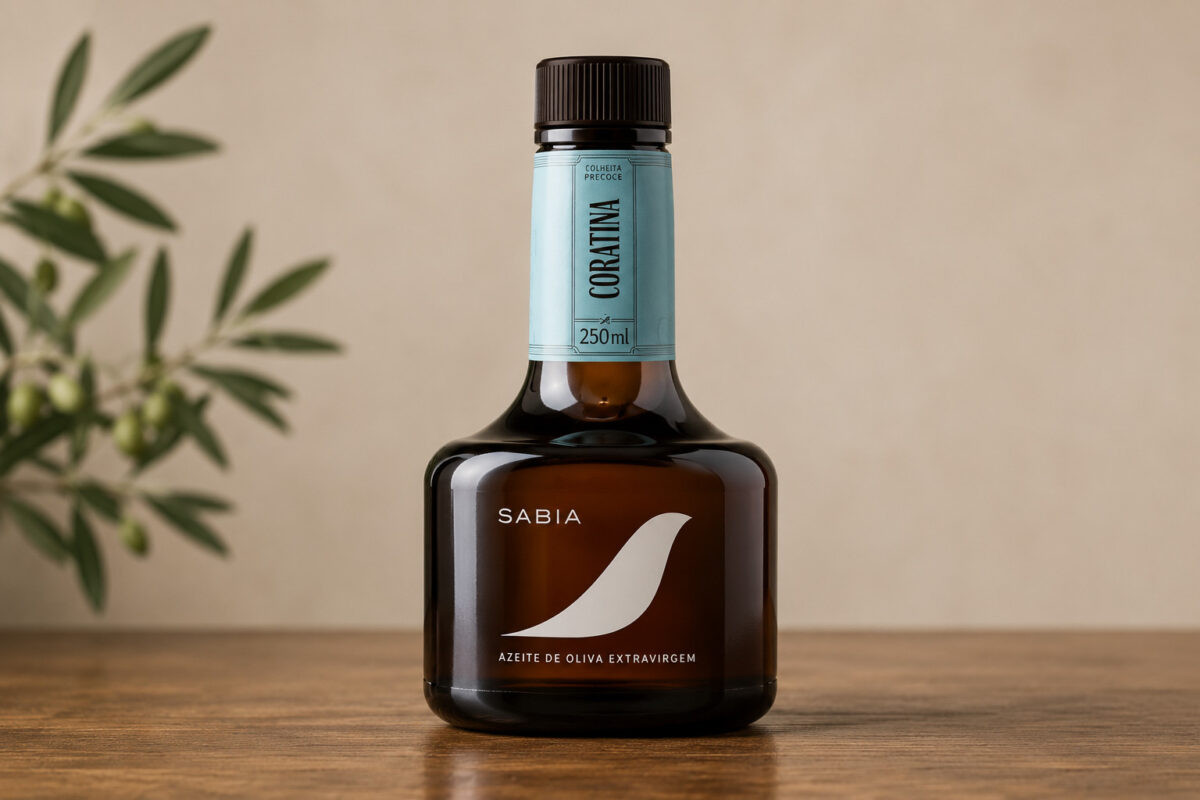
The competition’s top Southern Hemisphere award went to Azeite Sabiá Coratina, produced at Fazenda Sabiá da Vigia in Encruzilhada do Sul.
Coratina olives originated in Puglia, the region forming the “heel” of Italy’s boot. In Brazil, the variety produces a vibrant oil with notes reminiscent of fresh artichoke, lettuce, almonds and arugula, followed by assertive bitterness and a peppery finish.
The award-winning bottle is produced with the guidance of Italian olive oil master Nicolangelo Marsicani, who accepted the prize in Italy.
Sabiá also operates a property in Santo Antônio do Pinhal, in the Serra da Mantiqueira. There, the brand welcomes visitors for guided walks through its olive groves and tastings. It also runs a restaurant and visitor center, making it one of the most accessible introductions to Brazil’s growing olive oil tourism scene.
Milonga Ana Terra 1835: an olive oil inspired by revolution
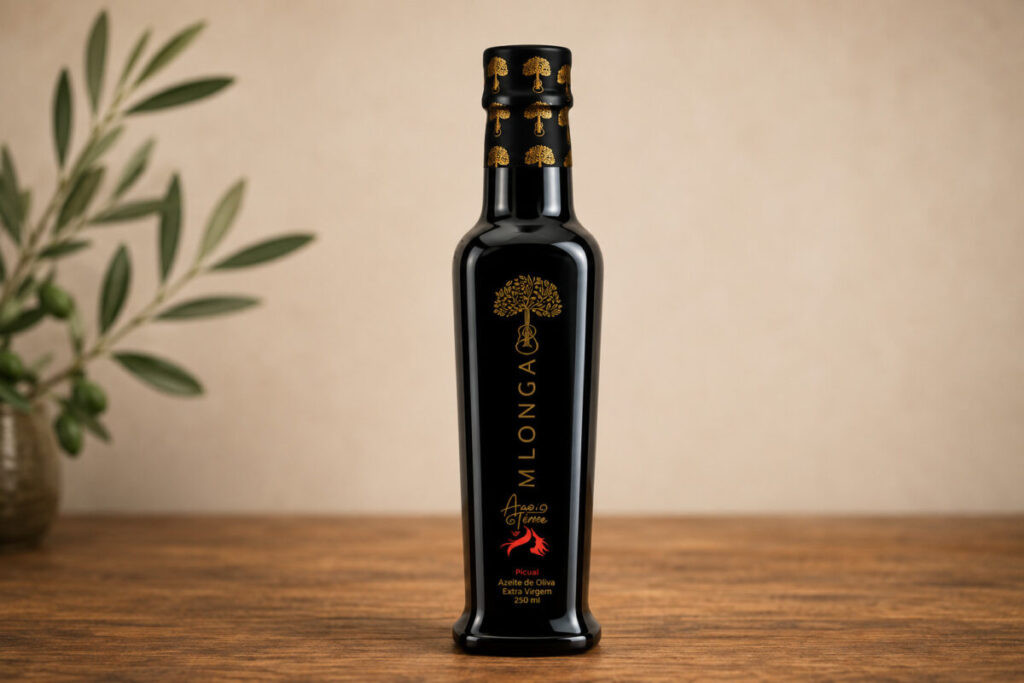
Named Best Blend in the Southern Hemisphere, Milonga’s Ana Terra 1835 combines Picual and Frantoio olives.
The fruit is harvested by hand and processed shortly after picking—an essential step in preserving an olive oil’s freshness, aromas and flavor.
Its name refers to 1835, the beginning of the Farroupilha Revolution, an important chapter in the history of Rio Grande do Sul. But the name also represents a new kind of revolution: introducing Brazilian consumers to the flavors and qualities of freshly produced premium olive oil.
For Milonga cofounder and olive oil sommelier Christian Vogt, educating consumers changes how they understand the category. Once people learn to recognize high-quality olive oil, he says, they begin to look at the Brazilian market differently.
The award also confirms the producer’s consistency. In 2022, another Milonga label was named the best olive oil in the Southern Hemisphere at the same competition.
Azeite Carcará: the best of South America
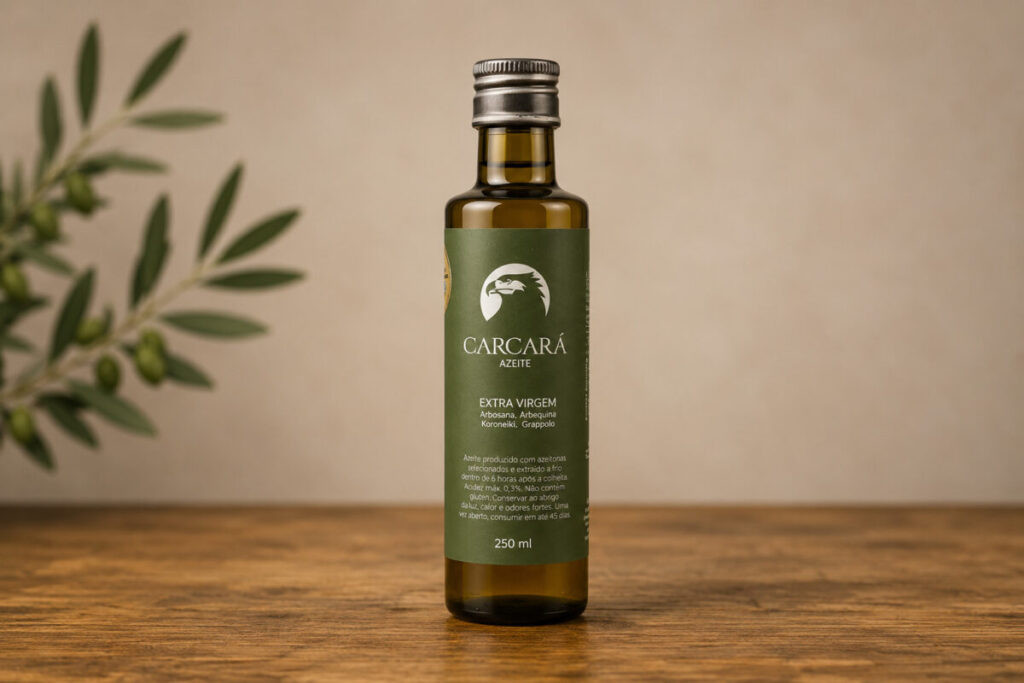
From Aiuruoca, on the Minas Gerais side of the Serra da Mantiqueira, Azeite Carcará received the Raúl C. Castellani Trophy for Best Olive Oil in South America.
The special award honors Raúl Castellani, an internationally respected olive oil taster.
Carcará’s victory is another sign that the Mantiqueira is developing an identity of its own—not as an imitation of Mediterranean regions, but as a distinctive Brazilian high-altitude terroir.
Azeite da Pedra: an extraordinary debut
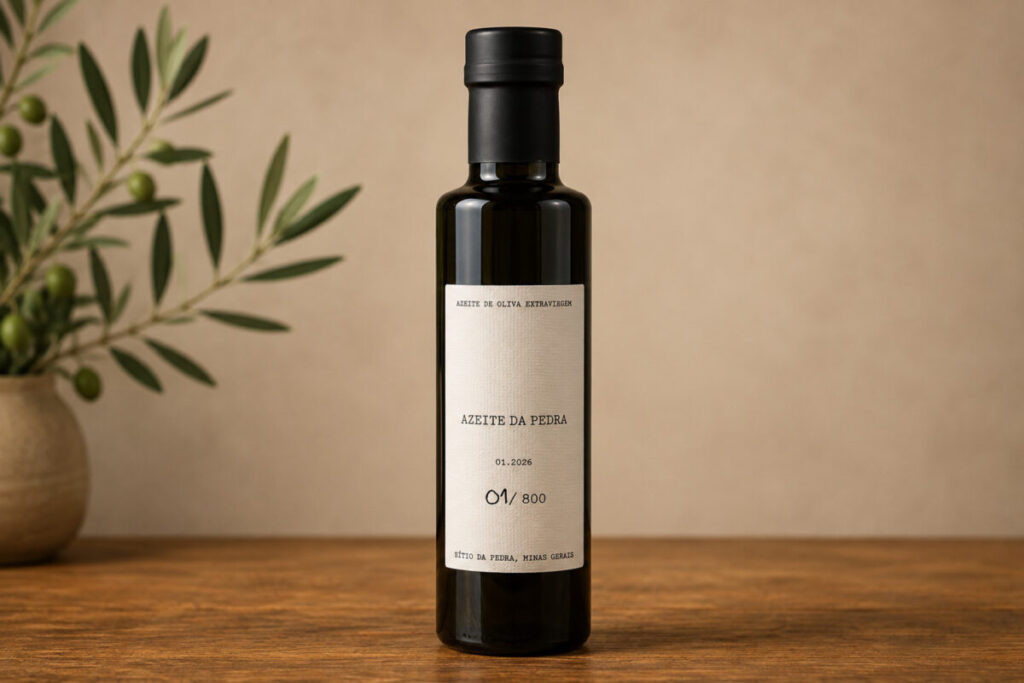
Few new producers could ask for a more impressive introduction.
Made in Caldas, Minas Gerais, Azeite da Pedra entered the global Top 10 at the 2026 TerraOlivo competition and was named the best Brazilian oil in the contest—all with its first commercially available harvest.
Produced by Fábio Dias and Paula Pedrão on a property approximately 1,300 meters above sea level, the oil comes from the volcanic terrain of the Poços de Caldas region.
The combination of mountain altitude, distinctive soil and meticulous small-scale production gives the brand a particularly compelling origin story. Its debut and international recognition were reported by Itatiaia.
Mantikir: olive oil from one of Brazil’s highest groves
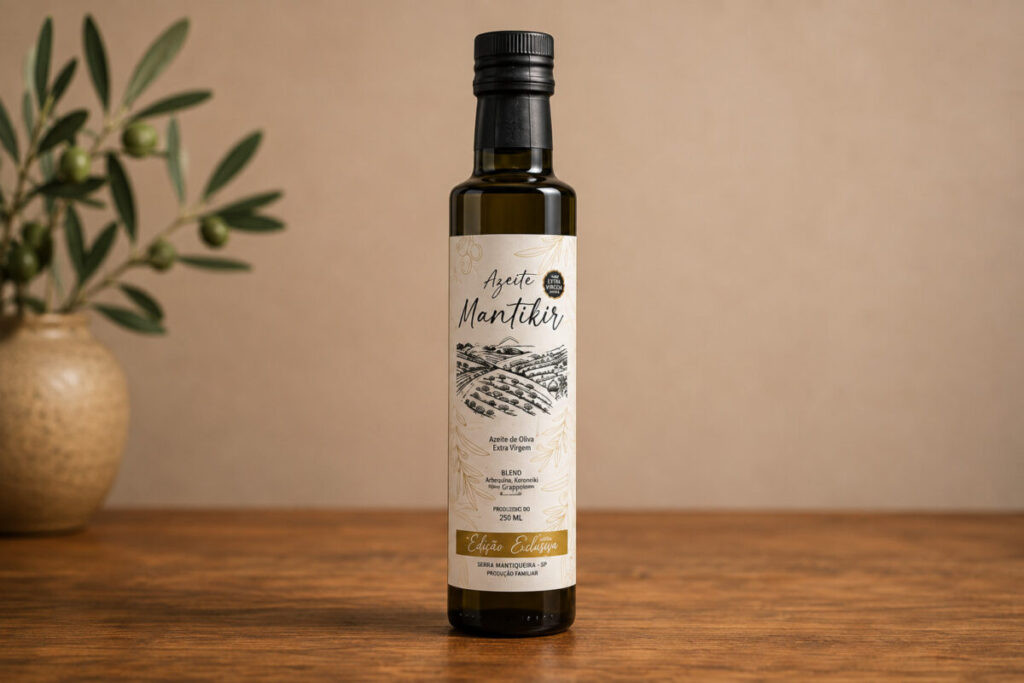
Produced by Vinícola Essenza in Maria da Fé, Minas Gerais, Mantikir has accumulated more than 40 international distinctions.
Its olives grow at elevations reaching approximately 1,900 meters, in what the brand describes as Brazil’s highest olive grove. The altitude and cool mountain weather favor oils with freshness, aromatic intensity and a clear balance among fruity, bitter and spicy sensations.
The Mantikir Summit Premium has become its flagship blend, while the producer’s Coratina has also earned major international attention.
In Paris, Mantikir Coratina was selected Best in Show among Southern Hemisphere oils and praised for its green and floral character. The competition’s description notes that the Coratina olives were cultivated above 1,900 meters.
Prosperato: one of Brazil’s pioneering names
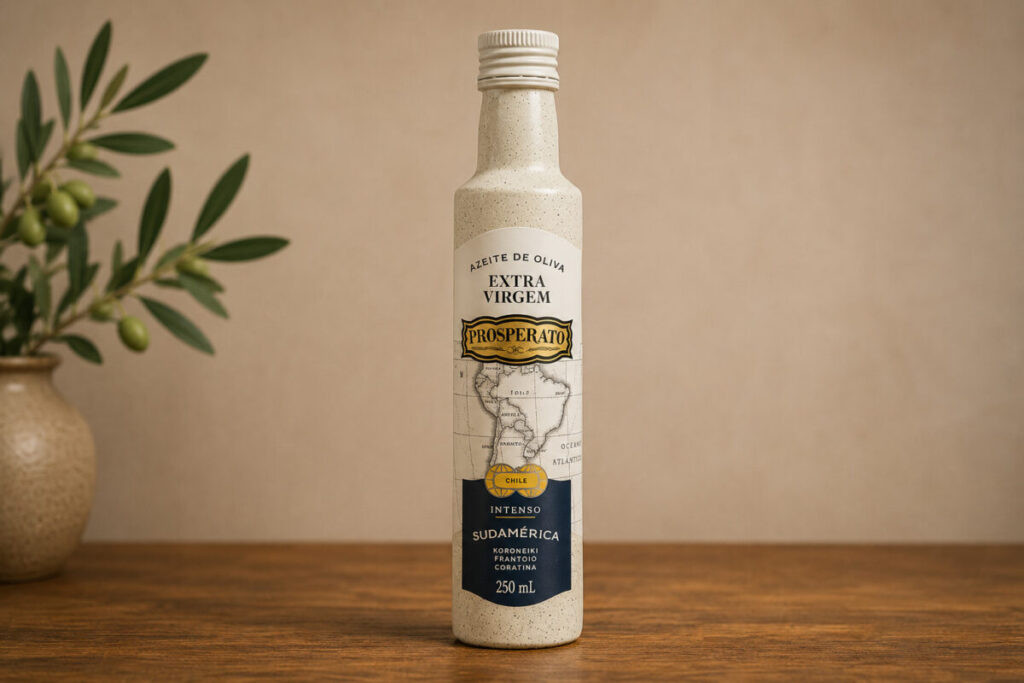
Prosperato is one of the most established names in premium Brazilian olive oil and has helped build the reputation of Rio Grande do Sul as a world-class producing region.
Its portfolio includes blends and single-variety oils made from olives such as Koroneiki, Arbequina, Picual and Frantoio. The brand frequently appears in international rankings and competitions and is also one of the few Brazilian producers with some retail presence in the United States.
Why do Brazilian olive oils taste so fresh?
Brazil cannot compete with the centuries of olive-growing history found in Italy, Spain, Greece or Portugal. Its advantage is that the industry developed using modern agricultural knowledge, carefully planned groves and advanced equipment.
Many Brazilian olive orchards are relatively young and were designed specifically for premium production. Producers can harvest olives at the ideal stage of ripeness and process them quickly in modern mills—sometimes within only a few hours.
That speed helps preserve the fresh aromas, vibrant flavors and distinctive peppery finish that international judges seek.
Brazil’s Southern Hemisphere harvest also takes place at a different time from the European harvest. Brazilian oils generally begin arriving during the first half of the year, giving consumers an opportunity to enjoy extremely fresh olive oil while many Northern Hemisphere bottles are already several months old.
What do bitterness and pepperiness mean?
Consumers who are accustomed to mild supermarket olive oils may be surprised by the bitterness or peppery sensation of a premium Brazilian bottle.
These characteristics are not necessarily defects. In fresh, well-made extra-virgin olive oil, they are often considered positive attributes.
Some oils may taste green and grassy, while others suggest herbs, almonds, tomatoes, artichokes or fruit. A slight burning sensation at the back of the throat is also common in high-quality oils with a more assertive personality.
How to use premium Brazilian olive oil
Award-winning extra-virgin olive oils are best appreciated in preparations that allow their flavors to remain noticeable.
Try them:
- Drizzled over grilled fish, meat or vegetables
- With fresh bread and a little sea salt
- Over burrata, tomatoes or leafy salads
- As a finishing touch for soups, beans and risotto
- On pizza immediately after it leaves the oven
- Over vanilla ice cream, chocolate desserts or fresh fruit
You do not have to reserve a premium bottle exclusively for special occasions. However, using it as a finishing oil—added shortly before serving—is one of the best ways to enjoy its aromas and personality.
Can you buy Brazilian olive oil in the United States?
Yes—but it is still surprisingly difficult to find.
Specialty retailers such as Olive Oil of the World and Best Olive Oils Store have carried Brazilian olive oils from producers such as Prosperato and Mantikir. Availability changes frequently, however, and even these retailers may have only a few labels or harvests in stock.
For Estância das Oliveiras, Sabiá, Milonga, Carcará and Azeite da Pedra, consistent U.S. distribution remains difficult to confirm.
If you happen to spot a Brazilian extra-virgin olive oil on an American shelf, consider buying it right away. The quantities exported by Brazil’s small premium producers remain extremely limited, and a label available today may be difficult to find again.
Travelers visiting Brazil now have another product to add to their culinary shopping list. A bottle of award-winning Brazilian olive oil makes an excellent premium souvenir—especially when purchased directly from an estate or specialty shop.
Commercially packaged olive oil can generally be brought into the United States for personal use. Because bottles exceed airport carry-on liquid limits, they should normally be placed in checked luggage.
Keep the bottle sealed in its original packaging, protect it carefully against leaks and breakage, retain the receipt when possible and declare the product upon arrival. U.S. authorities require travelers to declare agricultural and food products, and the final decision rests with the customs inspector. USDA guidance recommends keeping products in their original packaging as evidence of their country of origin.