
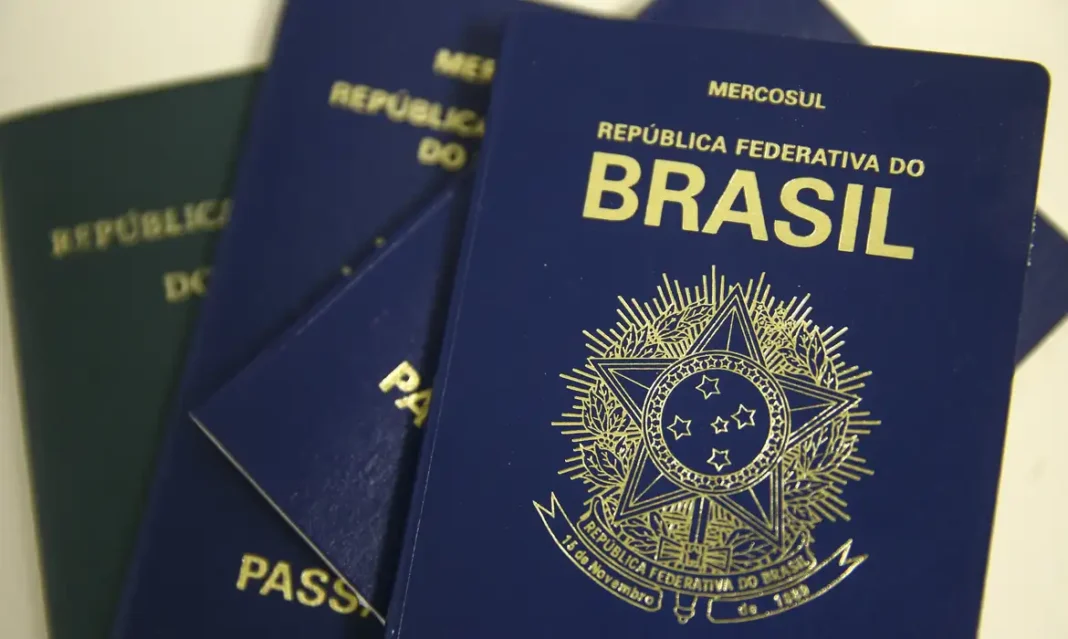
Brazil is considering a significant increase in its passport issuance fee — a move that could affect not only Brazilian citizens planning to travel abroad, but also multinational companies, relocation programs, and families navigating cross-border life.
The Polícia Federal has submitted a draft ordinance to the Ministério da Justiça e Segurança Pública proposing that the cost of an ordinary Brazilian passport rise from R$ 257.25 to approximately R$ 430 — a 67.16% increase. If approved, the new fee could take effect as early as the third quarter of 2026.
Why now?
According to the Federal Police, passport fees have remained unchanged since 2015, despite inflation and rising production costs. Brazilian passports must meet international security standards set by the International Civil Aviation Organization (ICAO), and maintaining biometric and anti-fraud technology comes at a growing cost.
There is also a structural budget issue. While the Federal Police is responsible for printing passports, revenue goes to the Treasury, and funding for blank passport booklets depends on congressional budget approvals. In recent years, shortfalls have caused supply disruptions — with some consular posts issuing emergency passports only.
The proposed fee increase, authorities argue, would help stabilize production and avoid future interruptions.
What this means for international audiences
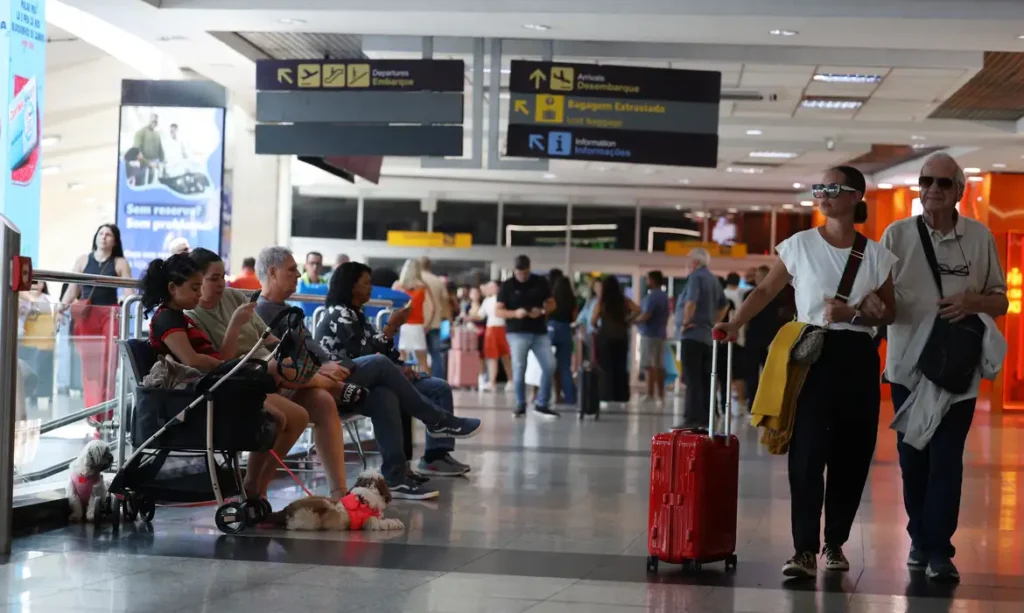
At first glance, this may seem like a domestic policy issue. But for foreign companies operating in Brazil — or relocating Brazilian employees abroad — the ripple effects are real.
Large multinational firms often reimburse passport costs as part of onboarding or relocation packages. At current exchange rates, the proposed increase represents roughly an additional US$35 per passport. If spouses and children are included in an assignment, the added expense could amount to several hundred dollars per family.
Mobility managers may want to:
- Accelerate pending renewals before the new tariff takes effect
- Update 2026 relocation budgets
- Review reimbursement policies for personal travel documents
The tourism sector is also watching closely. Analysts expect pushback, as higher costs could discourage price-sensitive travelers from planning international trips.
A broader conversation about mobility
Brazil has welcomed record numbers of international visitors in recent years, and global mobility — both inbound and outbound — has become part of the country’s economic rhythm. For a nation increasingly connected to global business, culture, and tourism, the cost of mobility matters.
The Justice Ministry has not yet announced a timeline for public consultation, but if approved, the new fee could be implemented after review by the Inter-ministerial Price Committee later this year.
For now, the message is simple: if a passport renewal is already on your radar, 2026 may not be the year to postpone it.
For international readers following Brazil’s evolving regulatory landscape, this proposal is a reminder that global mobility isn’t just about visas and flights — it starts with the passport in your hand.