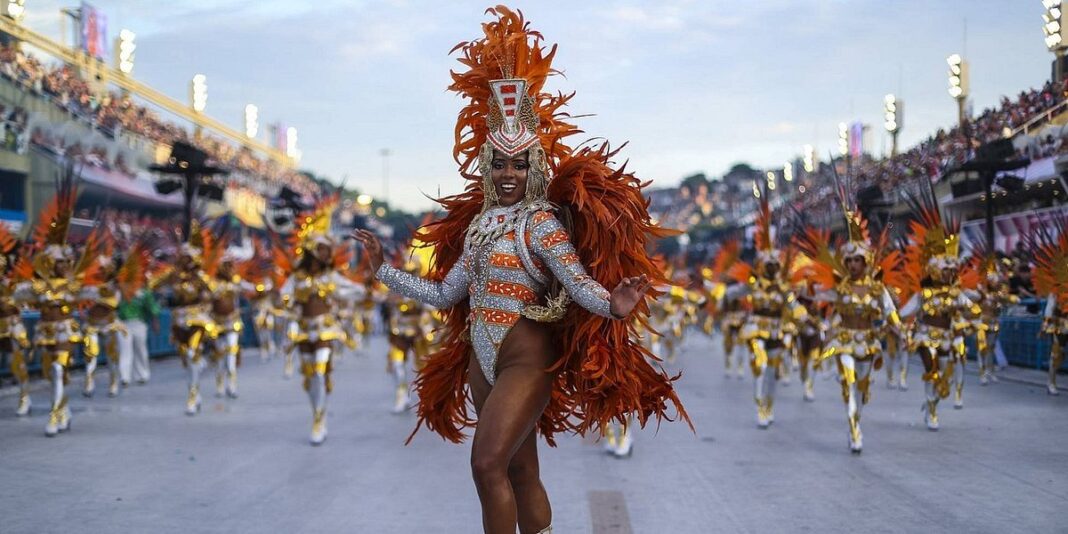
When sequins, samba, and confetti take over entire cities, there is no doubt: Carnival has arrived. And in 2026, Brazil’s most iconic cultural celebration is expected to reach historic numbers.
According to Brazil’s state tourism departments, more than 65 million people are projected to take part in Carnival festivities across the country — a 22% increase compared to 2025. The figures reinforce what seasoned travelers already suspect: Brazil Carnival 2026 will be one of the largest street celebrations in the world.
From monumental samba parades to spontaneous street blocos, Carnival continues to evolve while maintaining its democratic spirit — open to locals, visitors, first-timers, and lifelong revelers alike.
Rio de Janeiro: The Global Showcase
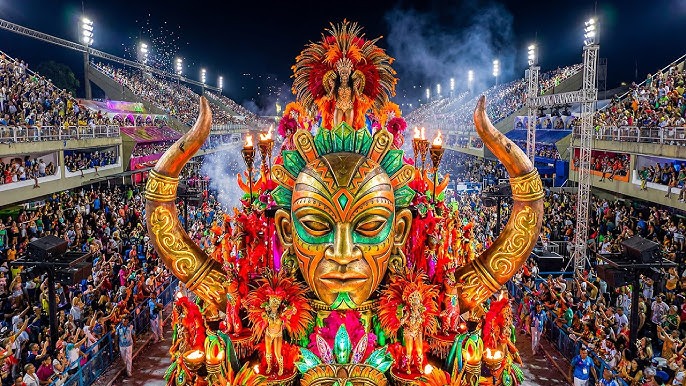
No city embodies Carnival’s global image quite like Rio de Janeiro.
With more than 462 registered street blocos, the city expects to draw over 8 million people into its streets. According to Riotur, the local tourism authority, the economic impact could surpass R$ 5.7 billion, while hotel occupancy rates are projected to reach 98%, nearly full capacity.
For international visitors, Rio offers two distinct experiences:
– The grandeur of the Sambadrome parades
– The free-flowing energy of neighborhood blocos
Brazilcore created an exclusive guide focused entirely on Rio Carnival 2026. Download now.
São Paulo: The Street Carnival Giant
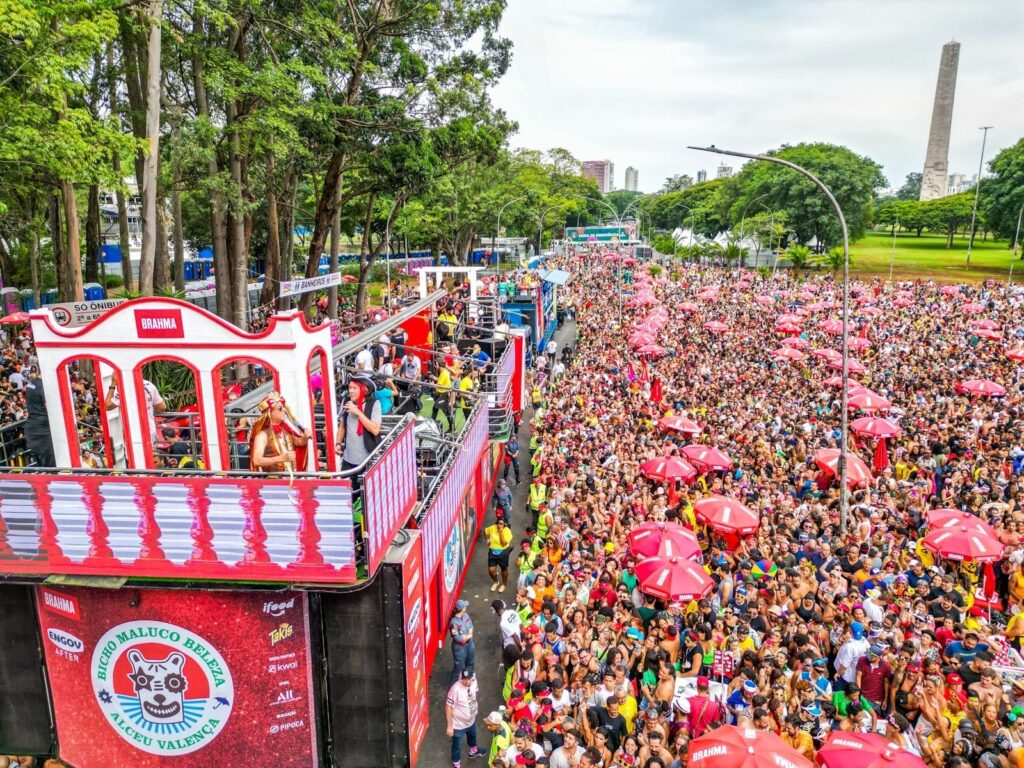
Often underestimated internationally, São Paulo has quietly become one of Brazil’s largest Carnival hubs.
In 2026, the city aims to surpass the 16 million revelers recorded last year, with more than 600 registered blocos taking over major avenues and neighborhoods.
The scale is impressive, but what defines São Paulo’s Carnival is its diversity — from alternative music collectives to traditional samba schools performing at the Anhembi Sambadrome.
For travelers seeking an urban, high-energy Carnival with varied music styles and creative themes, São Paulo delivers.
Salvador: The Power of the Trio Elétrico
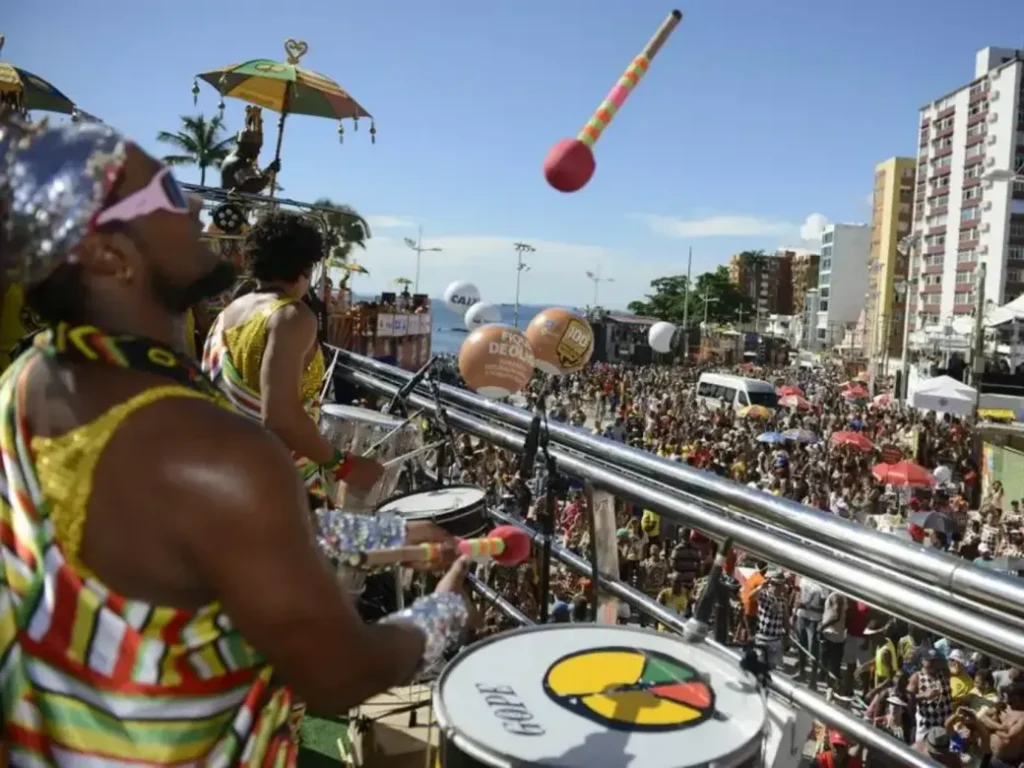
In Salvador, Carnival unfolds to the rhythm of axé and Afro-Brazilian traditions.
The city expects to exceed 11 million participants, with approximately 1.2 million tourists arriving between February 12 and 18 — the official Carnival period — representing a 10.2% increase compared to 2025.
Hotel occupancy is projected to surpass 90%, reflecting Salvador’s enduring appeal. Unlike Rio’s parade-centered format, Salvador’s celebration revolves around massive sound trucks known as trio elétricos, transforming entire coastal circuits into open-air dance floors.
It is immersive, rhythmic, and intensely communal.
Belo Horizonte: A Rising Carnival Star
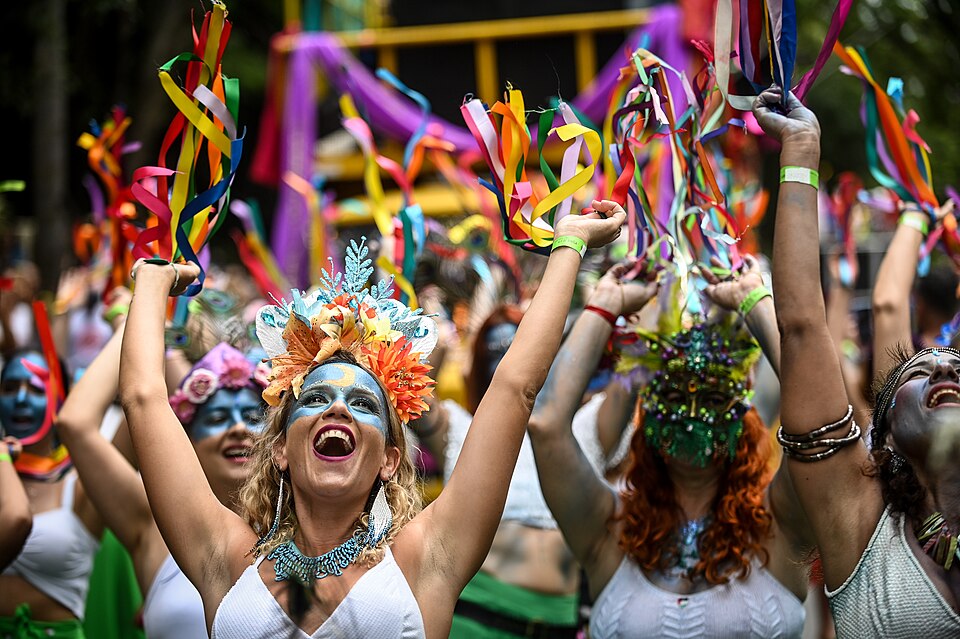
Carnival in Belo Horizonte continues its upward trajectory.
The city anticipates 6.2 million revelers, with tourists accounting for nearly 20% of attendees, two percentage points higher than the previous year. The expected economic impact exceeds R$ 1 billion, supported by approximately 60 blocos and a projected hotel occupancy rate of 75%.
What sets Belo Horizonte apart is its balance between megablocos and traditional cultural expressions, offering a more approachable — yet still electrifying — Carnival atmosphere.
Recife and Olinda: Frevo, Maracatu and Tradition
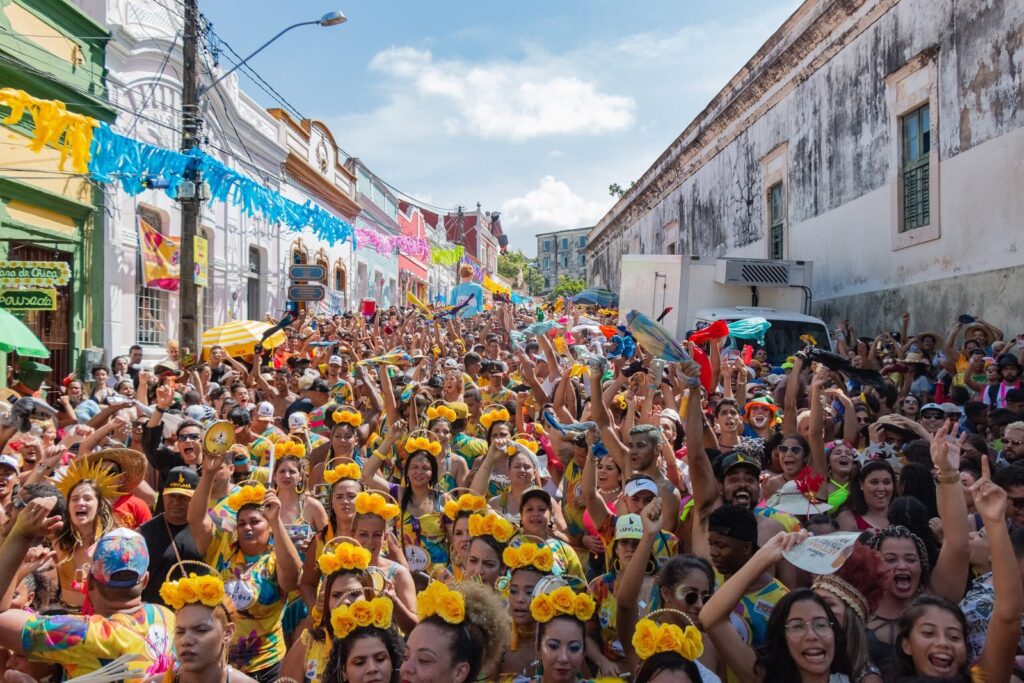
In Pernambuco, Carnival is deeply rooted in heritage.
Recife expects more than 3.6 million participants, with around 70 official attractions over six days and an estimated R$ 2.7 billion economic impact.
Neighboring Olinda, famous for its colonial streets and vibrant cultural traditions, anticipates over 4 million revelers, driven by frevo rhythms and maracatu processions.
For travelers seeking authenticity and strong regional identity, Recife and Olinda offer one of Brazil’s richest Carnival experiences.
Brazil Carnival 2026: More Than a Party
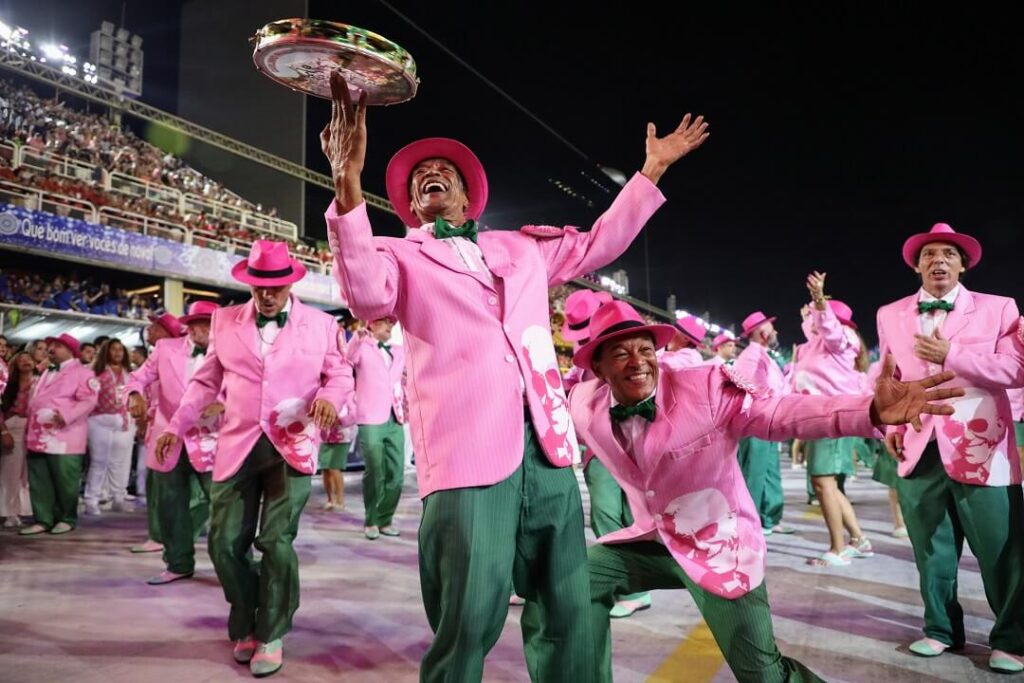
Beyond the numbers, Carnival remains one of Brazil’s most significant tourism engines — generating employment, boosting small businesses, and reinforcing the country’s cultural soft power worldwide.
The 2026 projections confirm that international interest in Brazil is not only sustained but growing. For foreign travelers, Carnival offers more than spectacle: it provides access to Brazil’s music, history, creativity, and social diversity in real time.
If 65 million people are preparing to celebrate, the question for international visitors is simple: which Carnival will you choose?