
The 27th Annual Latin Grammy Awards landed in Las Vegas on November 12, 2026, and Brazil had one of its strongest nights in years. Ten Brazilian artists and projects took home trophies, spanning rap, rock, gospel, sertanejo, samba, pop and film scoring — though the ceremony’s four marquee general-field prizes, the “Big Four,” went to other countries.
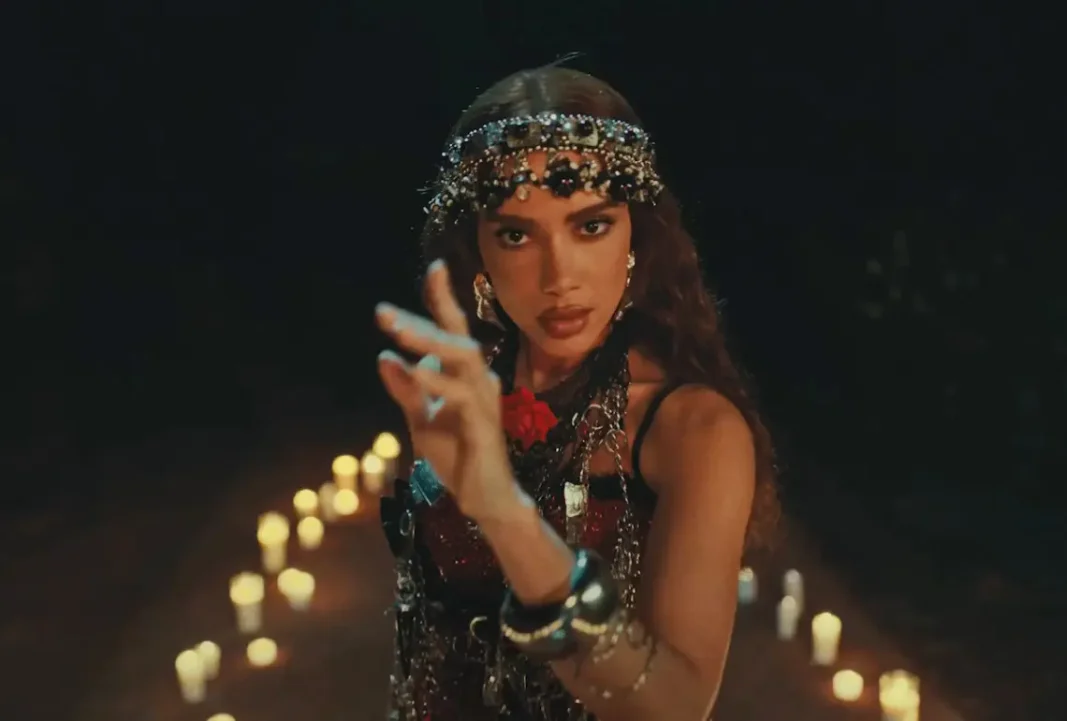
Faith ran through the televised broadcast in a way that felt deliberate rather than incidental. Rosalía opened the show with an almost angelical staging, setting a tone the night would keep returning to. Anitta picked up that thread in her own performance, pulling in elements of Candomblé — the Afro-Brazilian religion she practices and the spiritual backbone of Equilibrivm, her nominated album, which leans heavily into Candomblé imagery and themes across its tracklist. Two very different artists, one night, both reaching for the same register — and, as it turned out, the two biggest names left standing in the Album of the Year race.
This edition also arrived with its share of raised eyebrows. Brazil’s own Best New Artist contenders included Zeca Veloso, son of Caetano Veloso, and Loulu Gilberto, daughter of João Gilberto — both carrying surnames synonymous with the very foundations of Brazilian music, competing in a category built to spotlight the genuinely unestablished. It’s the kind of nomination that invites the obvious question: how new is “new” when the last name already has a wing in the Brazilian canon?
Confirmed Brazilian winners
Anitta — Best Contemporary Pop Album in Portuguese Language, for Equilibrivm. It is the first Latin Grammy win of her career, arriving on her 12th nomination overall — a long wait that made this one of the night’s most-anticipated Brazilian results. In her acceptance speech, she pointed to the category’s debut on the main, televised ceremony this year and framed the album’s success in spiritual terms: Equilibrivm, she said, “became a religious and faith revolution in Brazil, because for many years Black culture was erased, and its religion [with it].” Equilibrivm was also in the running for Album of the Year, the ceremony’s top prize, which went to Rosalía’s LUX.
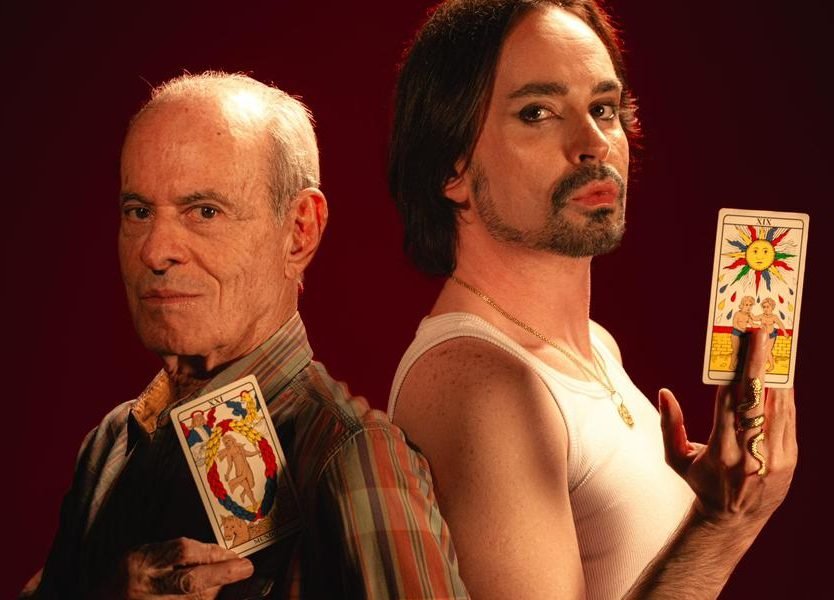
Johnny Hooker and Ney Matogrosso — Best Song in Portuguese Language, for “Viver e Morrer de Amor na América Latina.” It was Hooker’s first-ever Latin Grammy nomination, and he turned it into a win the same night, beating Urias’s “Águas de um Mar Azul,” Marisa Monte’s “Sua Onda,” Rosalía and Carminho’s “Memória,” and “No Vento de Nós” by Criolo, Amaro Freitas and Dino D’Santiago. The duet partner is no small detail: Matogrosso has spent over five decades reshaping Brazilian music, from fronting Secos & Molhados in the early 1970s — whose gender-defying glam aesthetic broke through under a military dictatorship — to becoming one of the country’s most enduring queer icons. The win also carries historical weight on Hooker’s side: he is from Recife and became the first queer artist from Brazil’s Northeast to win a Latin Grammy, after more than two decades in the independent music scene. He dedicated the trophy to young Brazilian musicians, with particular mention of Northeastern and queer artists.
Criolo, Amaro Freitas and Dino D’Santiago — Best Brazilian Popular Music Album/Afro-Portuguese Brazilian Music Album, for Criolo, Amaro e Dino. The album teams São Paulo rapper Criolo with pianist Amaro Freitas and Dino D’Santiago, a Portuguese singer of Cape Verdean descent, across 12 tracks that move between rap, jazz, MPB, funaná and soul, with lyrics in Portuguese, Cape Verdean Creole, French and English. For Amaro Freitas, the win ends a longer wait than it looks: he came into the ceremony with four previous nominations and no wins.
Emicida — Best Urban Music Album in Portuguese Language, for Emicida Racional VL 2 – Mesmas Cores & Mesmos Valores, a project built as a tribute to pioneering rap group Racionais MC’s. The win beat out Don L’s Caro Vapor II, AJULLIACOSTA’s Novo Testamento and BUDAH’s Frequência Lunar.
Urias — Best Rock or Alternative Album in Portuguese Language, for Carranca, her first Latin Grammy win off just one prior nomination. The field included Black Pantera, Chico Chico, Detonautas and Foto em Grupo.

Eli Soares — Best Christian Album in Portuguese Language, for Betel (Ao Vivo) — his fourth Latin Grammy in the category after six consecutive years of nominations. He previously won with Laboratório do Groove (2022), Nós (2023) and Memóri4s (Ao Vivo) (2025).
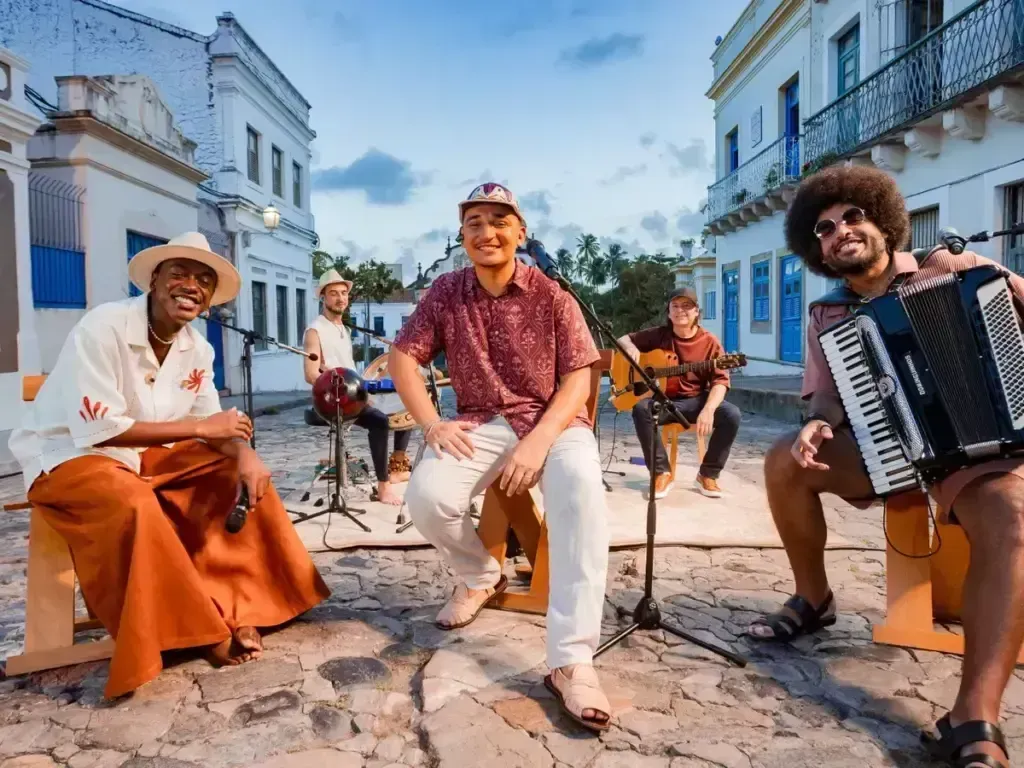
João Gomes, Mestrinho and Jota.pê — Best Roots Music Album in Portuguese Language, for Dominguinho Vol. 2 (Ao Vivo), successfully defending the trio’s win in the same category last year.
Lauana Prado — Best Sertanejo Music Album, for Raiz BH (Ao Vivo/Deluxe).
Leci Brandão — Best Samba/Pagode Album, for 50 Anos de Carreira (Ao Vivo), marking five decades in music with a trophy.
O Agente Secreto (The Secret Agent) — Best Score for Visual Media. The Brazilian film premiered at Cannes earlier in 2025.
The Big Four went elsewhere
Brazil had nominees in all four of the ceremony’s marquee general-field categories, and came away from the televised broadcast with none of them — a measure of how stacked this year’s international field was. Rosalía had the night’s dominant run, winning Album of the Year with LUX (beating Anitta’s Equilibrivm, among others) and Record of the Year with “La Perla,” featuring Yahritza y Su Esencia (beating Loulu Gilberto’s “O Amor Nos Encontrou”). Song of the Year went to Karol G and Marco Antonio Solís for “Coleccionando Heridas,” edging out Zanna’s “Nilo.” Best New Artist went to Aria Vega, with Brazil’s three nominees — Loulu Gilberto, Dora Sanches and Zeca Veloso — coming up short.
It’s a loss worth sitting with rather than skipping past, especially for Anitta: she had already waited through 11 nominations without a trophy before this year’s win in the Portuguese-language pop category, and Album of the Year would have been, by a wide margin, the biggest prize of her career.